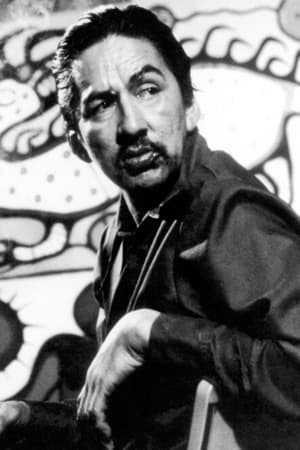
In this revealing study of Norval Morrisseau, filmed as he works among the lakes and woodlands of his ancestors, we see a remarkable Indigenous artist who emerged from a life of obscurity in the North American bush to become one of Canada's most renowned painters. Morrisseau the man is much like his paintings: vital and passionate, torn between his Ojibway heritage and the influences of the white man's world.
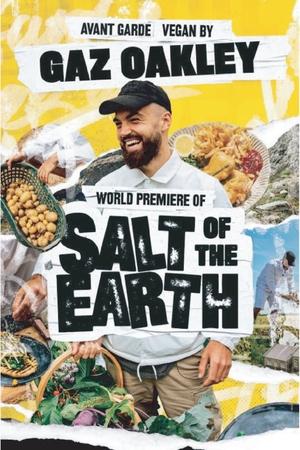
Gaz Oakley goes on a culinary journey across his home country of Wales & is blown away with what he finds.
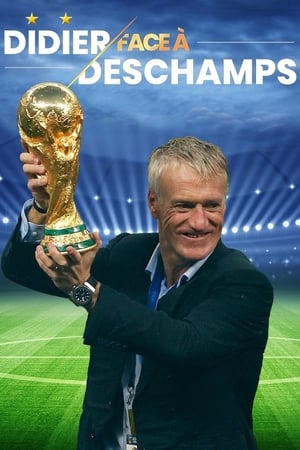
Didier face à Deschamps
This film takes a look at what expanding passenger rail service in America would look like, as well as asking passengers what they think about increasing rail investment. Would they use it? Would it be a waste of money? Why is building high speed rail in California so urgent?
This making-of documentary covers general aspects of the film's creation. We see movie clips, shots from the set, and interviews. The latter include remarks from Woodruff, Gillis, director Joe Johnston, producer Scott Kroopf, production designer James Bissell, ILM's Mark Miller, and actors Robin Williams, Bonnie Hunt, Kirsten Dunst, David Alan Grier, and Bradley Pierce. We find a basic overview of the story and characters, effects issues, the atmosphere during the shoot, set design and related topics, and how the actors dealt with the various complications.
A young British racing driver faces an international challenge after overcoming struggles early in his life. Will he regain control of his future?
A documentary about the Crystal Beach Amusement Park from inception to its eventual demise and the effect it had on the Crystal Beach community.
Can you learn French in six months? We followed people from all over the world, including Ukraine, China, and Iran, who attempted to do just that in a French immersion program at Cégep du Vieux Montréal. We delve into their learning journey, their daily lives, and the unique stories that led them to rebuild their lives in Quebec.
After five years studying in Paris, Arash has not adjusted to life there and has decided to return to Iran to live. Hoping to change his mind, his two friends Hossein and Ashkan convince him to take a last trip through France.
This documentary accompanies the journey of artists who exalt and celebrate ancestry and the orishas in their work. It also offers a manifesto against one of the biggest problems facing Brazil: religious racism. The feature brings together stories from music, theater, fashion, dance and the visual arts to promote reflection on the power and importance of black representation, art and diversity
No Jewish divorce is complete without the man literally giving the woman her freedom back. With Israel having neither civil marriage nor divorce, women can get trapped. The film follows several such "chained" women together with Batya, a religious lawyer, who embarks on a struggle against the rabbinical courts.
In the documentary, we follow twin brothers Mike and Chuck Rollins, former addicts who now work in addiction recovery. They know firsthand the struggles and vulnerabilities of addiction, as well as the challenges of reintegrating after treatment. For many addicts, returning to neighborhoods plagued by drugs and abandoned houses that serve as drug dens makes relapse almost inevitable. Through their nonprofit, Gemini Reliance, the Rollins brothers purchase dilapidated homes and transform them into safe, sober living spaces for those in recovery. Their efforts have proven effective, yet sobriety remains a constant battle. The story of HEROINOHIO begins as a profile of these two brothers but soon unfolds into a raw account of a fight against the powerful grip of addiction, revealing the relentless resilience required to reclaim one’s life.
THE PERFUMED GARDEN is an exploration of the myths and realities of sensuality and sexuality in Arab society, a world of taboos and of erotic literature. Through interviews with men and women of all ages, classes, and sexual orientation, the film lifts a corner of the veil that usually shrouds discussion of this subject in the Arab world. Made by an Algerian-French woman director, the film begins by looking at the record of a more permissive history, and ends with the experiences of contemporary lovers from mixed backgrounds. It examines the personal issues raised by the desire for pleasure, amidst societal pressures for chastity and virginity. The film discusses pre-marital sex, courtship and marriage, familial pressures, private vs. public spaces, social taboos (and the desire to break them), and issues of language.
The short film follows Endika, a director who, in the midst of a clash with his reality, transforms a documentary about paternal absence into a personal quest for reconciliation with his own father.
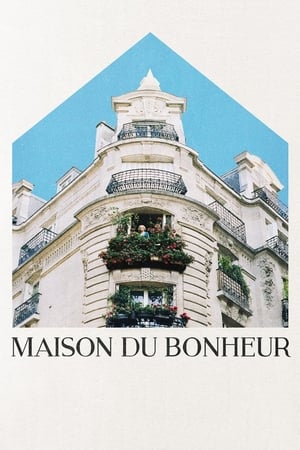
When asked to make a documentary about her friend’s mother—a Parisian astrologer named Juliane—the filmmaker sets off for Montmartre with a Bolex to craft a portrait of an infectiously exuberant personality and the pre-war apartment she’s called home for 50 years.
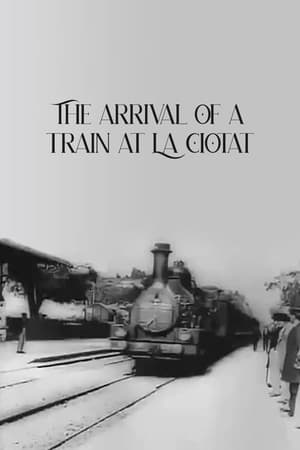
A group of people are standing along the platform of a railway station in La Ciotat, waiting for a train. One is seen coming, at some distance, and eventually stops at the platform. Doors of the railway-cars open and attendants help passengers off and on. Popular legend has it that, when this film was shown, the first-night audience fled the café in terror, fearing being run over by the "approaching" train. This legend has since been identified as promotional embellishment, though there is evidence to suggest that people were astounded at the capabilities of the Lumières' cinématographe.
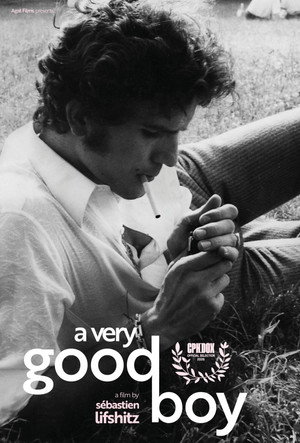
From his childhood in a modest family in the Pyrénées to his unexpected career as a porn actor in the 1970s, the film traces the life of Claude Loir, who set out to fully embrace life. His homosexuality and curiosity guide him through encounters that lead into the shadowy, liberated circles of a pre-AIDS era, caught between conservatism and sexual freedom. Loves and lovers, flamboyance and fragility… the film offers a striking portrait of a fearless, hedonistic man navigating desire, identity, and society’s constraints.
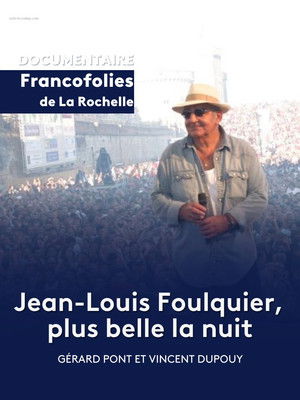
A look back at the life and career of Jean-Louis Foulquier (1943-2013), with testimonials from those who crossed his path and were accustomed to his nocturnal escapades.
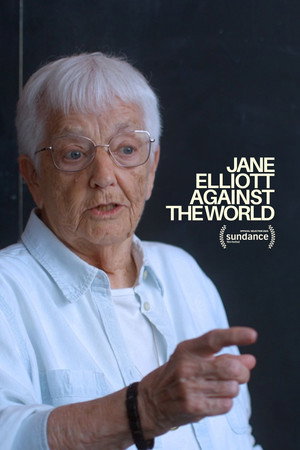
A rural Iowa schoolteacher becomes a national voice against racism after leading a controversial 1968 lesson in discrimination with her all-white third-grade class. Now nearly 90, she refuses to hold back amid today’s fights about race, history, and power after a lifetime of speaking out.
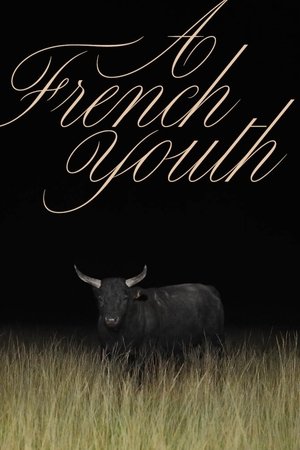
In the heart of the Camargue region, in the south of France, Jawad and Belka find freedom in their love of Camargue races. For these young Maghrebi men, the event is more than a simple tradition. Facing off with a bull is an opportunity to establish their place in the arena—and in French society. But at what cost?