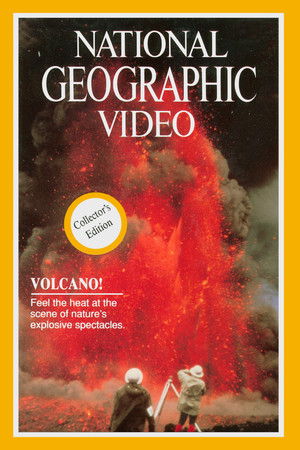
Features volcano watches in Iceland from 1984-91, showing the country's highlands, Askja, Kverkjoll, Herdubreidarlindir, Sprengisandur, and Jokulsa Canyon. Presents Landmannalaugur and the popular trek from this Myvatn, Skaftafell, and glacier bursts from the Grimsvotn and Graenalon lakes. Depicts scenes of winter traveling in Iceland, Reykjavik, the Blue lagoon, Geysir hot spring, the site of Parliament in Thingvellir, and Kulusuk on the east coast of greenland. Includes the earthquake sequence that shook the island in September 1986 and sequences from the volcanic eruptions at Mount Hekla (1947-48, 1970, 1980-81, and 1991), Surtsey (1963-67) Heimaey Island (1973), Lake Myvatn (1975-84) and Grimsvotn Lake (1983).
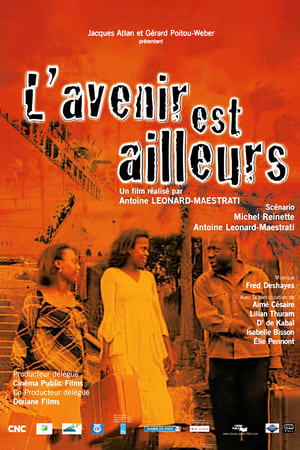
L'Avenir est ailleurs
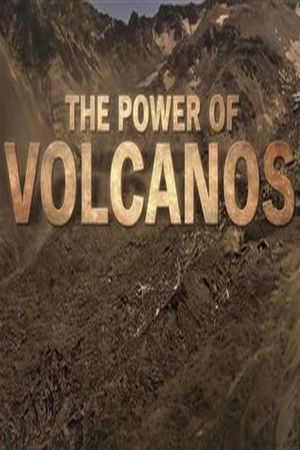
In the 6th century AD, large parts of the world were affected by mysterious weather events causing temperature drop, crop failures and famines. All this might be the result of a large volcanic eruption in the tropics. But can a local natural disaster impact the global weather, thus influencing the course of history? Using stunning re-enactments and unique animation techniques, “The Power of Volcanoes” makes it clear: Volcanoes might be sleeping giants. But they can wake up quicker than you think and in the worst case trigger a fatal chain of events.
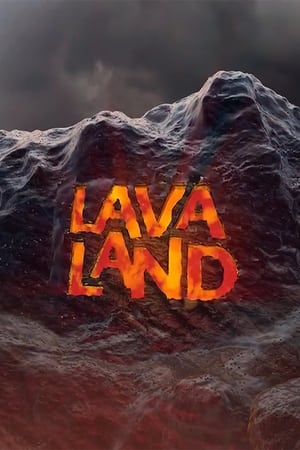
Hawaii, with its tropical rainforests and diverse coral reef is a spectacular natural paradise for travellers, surfers and all fans of breathtaking sandy beaches and lush green mountains. But life on the American island chain also has a dangerous side: permanently active volcanoes, lava caves, and even burning lava pours into the sea! Here you can see black smoke rise up, spray the red-hot magma into the sky and feel how the earth trembles. Located on the Pacific plate is unusual for volcanoes, Hawaii is thus researchers a fascinating destination. At Kilauea, the most active volcano on earth, the inhabitants have to live in constant danger found over the centuries cope. Lava Land - Glowing Hawaii takes you into the world of researchers and residents on the Big Iceland, the largest island of Hawaii.
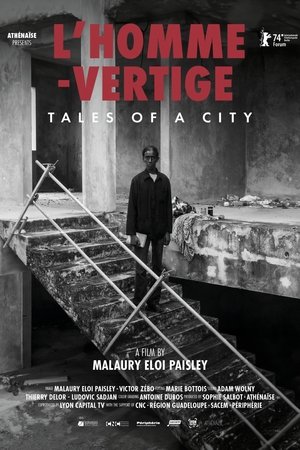
Apartment blocks with no future are being torn down in Pointe-à-Pitre, Guadeloupe. Malaury Eloi-Paisley follows those lost in the city through the empty streets. Their accounts form a valuable commodity, circulating in carefully developed relationships.
A TV-hour length documentary film depicting the relationship between language, culture, place, music, tradition, and magic on an active volcano, in the Pacific nation of Vanuatu, on the island of Ambrym.
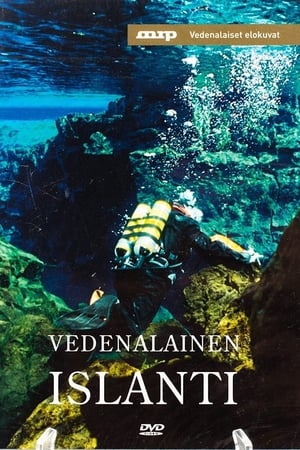
Marko Röhr's film crew takes the viewer to Europe's last unexplored area: Iceland's unique underwater world. We explore the geysers of boiling waters and the crystal clear lakes off the coast of Iceland. We dive under the icebergs, into the tears between the continental plates and into the deep caves.
Réunion le volcan rouge
For more than 20 years, Maurice & Katia Krafft have traveled the world. From Iceland to Hawaii, from Africa to Indonesia, they are usually the first to reach the scene of an eruption. Join them as they risk their lives to document the birth of a volcano.
Come il Bianco
Ma traversée is a personal quest, filmed over 20 years, recounting the racial issues and privileges that have punctuated the filmmaker’s life in three French-speaking societies: Guadeloupe, France and Quebec. From her own story emerges the broader narrative of colonization, colorism, assimilation, integration and the social benefits of “race” and their impact even today. Brutalized by police officers in Montreal in December 2017 in front of witnesses, the filmmaker takes a step back to understand this gesture, which speaks to the social interpretation of skin color.
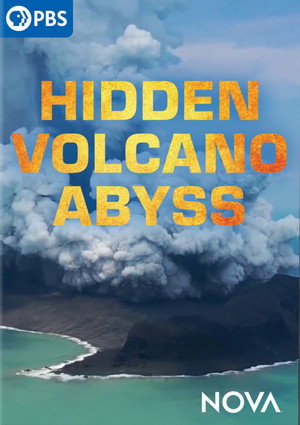
In January 2022, one of the most powerful volcanic eruptions in recorded history rocked the Pacific islands of Tonga, sending shockwaves around the world. Through first-person accounts of the disaster and eyewitness footage, experience the terrifying power of the eruption and the devastating tsunami that struck the shores of Tonga. Why was this eruption so big, how did it cause the tsunami, and could another disaster loom? NOVA investigates on "Hidden Volcano Abyss."
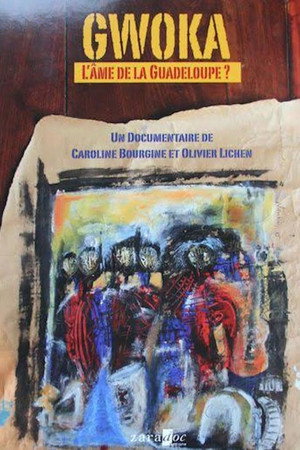
Gwoka drums have resonated in Guadeloupe since the arrival of the first enslaved people. Rooted in the island's rural history and long marginalized, this tradition—encompassing vocals, music, and dance—symbolizes the local population's reclamation of its profound identity. For the first time, a documentary film captures the social and historical dynamics of Gwoka; moving from one "léwoz" gathering to the next and through various encounters, it reveals the art form's power and richness.
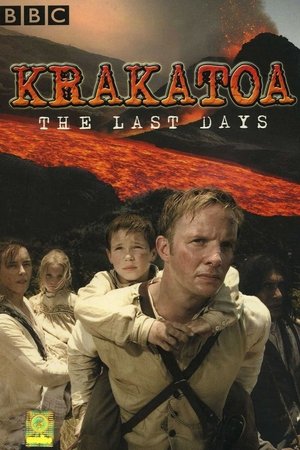
A historical drama documentary depicting the eruption of Krakatoa volcano in 1883. The volcano was located in the Sunda strait in Indonesia and its eruption resulted in tsunami, rains of coals and ash, and ended with a very hot tsunami. The eruption killed more than 36,000 people and those survived were left with burns.
Kamchatka - A Fly Journey
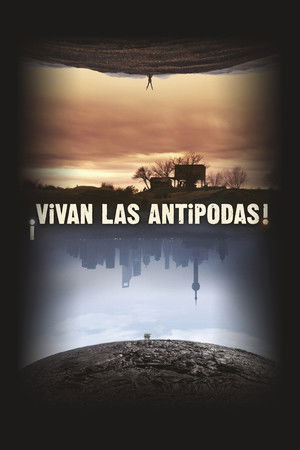
What would be the shortest route between Entre Rios in Argentina and the Chinese metropolis Shanghai? Simply a straight line through the center of the earth, since the two places are antipodes: they are located diametrically opposite to each other on the earth's surface. During his visits to four such antipodal pairs, the award-winning documentary filmmaker Victor Kossakovsky captured images that turn our view of the world upside down.
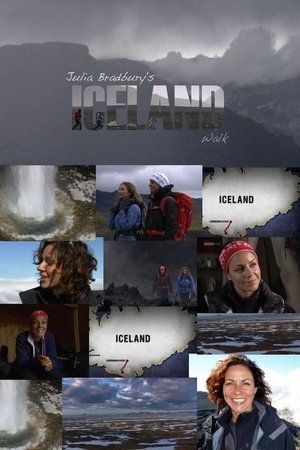
Julia Bradbury heads for Iceland to embark on the toughest walk of her life. Her challenge is to walk the 60 kilometres of Iceland's most famous hiking route, a trail that just happens to end at the unpronounceable volcano that brought air traffic across Europe to a standstill in 2010 . With the help of Icelandic mountain guide Hanna, Julia faces daunting mountain climbs, red hot lava fields, freezing river crossings, deadly clouds of sulphuric gas, swirling ash deserts and sinister Nordic ghost stories as she attempts to reach the huge volcanic crater at the centre of the Eyjafjallajökull glacier.
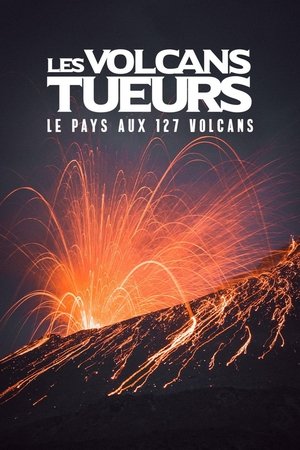
Les volcans tueurs : le pays aux 127 volcans
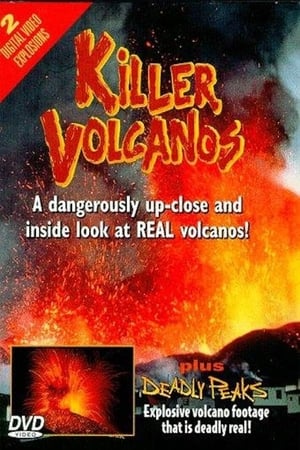
Documentaries by Katia and Maurice Krafft feature some of the amazing footage shot by the renowned volcanologists, who perished in 1991 while filming a volcano in Japan. The duo documented more active and erupting volcanos than any other scientists in the world, and their dedication shows in Deadly Peaks and Killer Volcanos, two educational films that capture the scientists on the edge of a hot ash blast and floating on a lake of sulfuric acid. The films visit Mount Kilimanjaro and examine some of the less-known dangers such as carbon monoxide gas that builds under crater-formed lakes. They also take an in-depth look at the eruption of Mount St. Helens and the lengths to which people will go to save their communities. Venturing to places where most people would never dare, the Kraffts gave their lives to promote the study of volcanos and left behind a legacy of courage in the name of science. --Shannon Gee
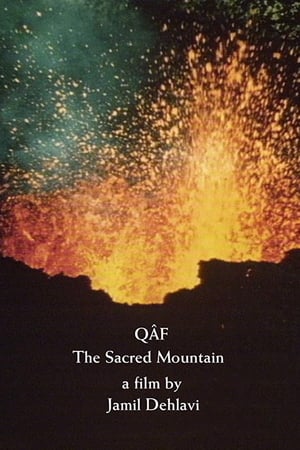
Footage of a volcano eruption in Madagascar set to music by Klaus Schulze, Popol Vuh and Tangerine Dream, and poems by Raficq Abdulla.