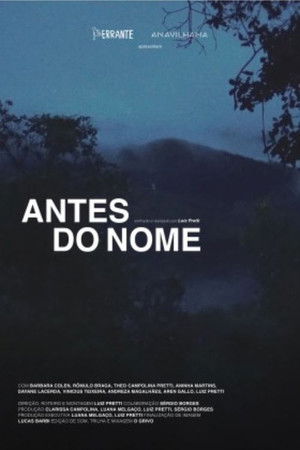
One day, as you leave work and head home, something unexpected happens. Everywhere you go, paths begin to open and multiply. You can go anywhere you want, and with each place you choose, a new version of yourself emerges. You begin to disappear and in that disappearance you feel free: no longer being one, but becoming another, becoming many others. Individual experience gives way to the collective. A constant search for a place in the world. Walking toward the other, toward the unknown—yesterday, today, and tomorrow.
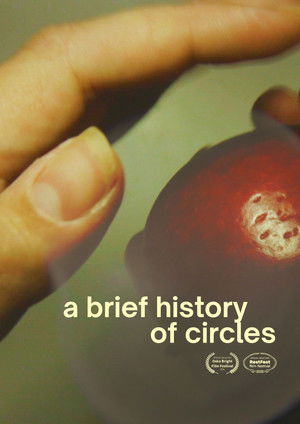
An experimental video essay which uses circles and waves to explore neurodivergent experience.
Metropia
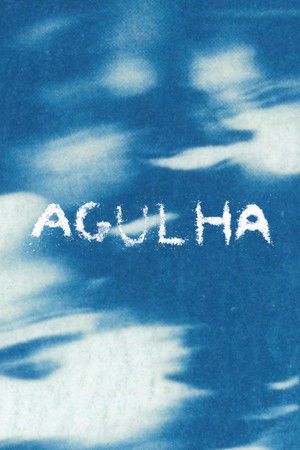
AGULHA
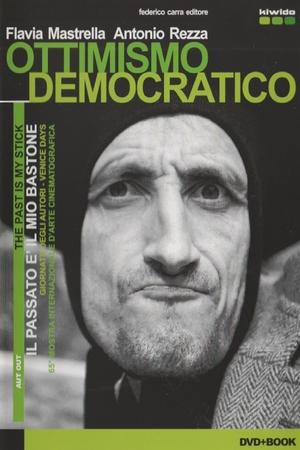
Ottimismo democratico
Part ethnographic film and part experimental film, கோயில் (The Temple) is a hybrid piece of cinematography that questions the act of observing.
Die Liebe stört der kalte Tod
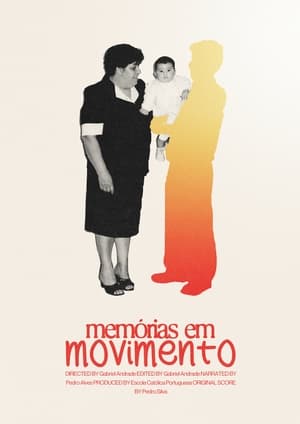
On April 1st, 2022, my grandfather passed away and i felt lost. I think my path changed when, some days after he passed away, i was offered a small VHS camera. "Moving Memories" is a visual journey that makes the viewer reflect on our momentary presence on earth and questions the nature of memory. Throughout this journey, we get to the conclusion that memories are more than just static photographs in our minds, they're alive and in constant movement, changing while we evolve as individuals. These memories have influence and help us to move on.
After concluding the now-legendary public access TV series, The Pain Factory, Michael Nine embarked on a new and more subversive public access endeavor: a collaboration with Scott Arford called Fuck TV. Whereas The Pain Factory predominantly revolved around experimental music performances, Fuck TV was a comprehensive and experiential audio-visual presentation. Aired to a passive and unsuspecting audience on San Francisco’s public access channel from 1997 to 1998, each episode of Fuck TV was dedicated to a specific topic, combining video collage and cut-up techniques set to a harsh electronic soundtrack. The resultant overload of processed imagery and visceral sound was unlike anything presented on television before or since. EPISODES: Yule Bible, Cults, Riots, Animals, Executions, Static, Media, Haterella (edited version), Self Annihilation Live, Electricity.
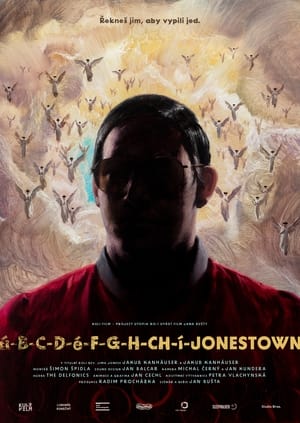
A children's film about the largest mass suicide of the 20th century reconstructs the 1978 event. The Reverend Jim Jones forced nearly a thousand followers of his People's Temple sect to drink poison in the settlement of Jonestown, Guyana, South America. A third of them were children. Jan Bušta gives sadists, voyeurs, and necrophiliacs one minute to leave the cinema. His self-reflective documentary, which is the result of ten years of time-lapse filming, does not depict dramatic scenes. To the sound of an audio recording from that fateful day, we see a collage of child ghosts preaching about escaping the corruption of the world.
A solo audiovisual performance. Eighth entry into deeply beguiling series of works responding to the Alps acted as the closing night event of Alchemy Film Festival. The images are studies of the Alps degraded and distorted live at the front of the auditorium; the picture pixelated, streams of colour engulfed the screen like a crashed desktop, and as hawks hovered over the mountains they left staggered trails of glitches across the screen like computerised vapour trails. The audio was also created live using short atonal precomposed tracks. The aim was to create a digital alchemy, an abstracted journey into the mountains, a wild wonder inside and out.
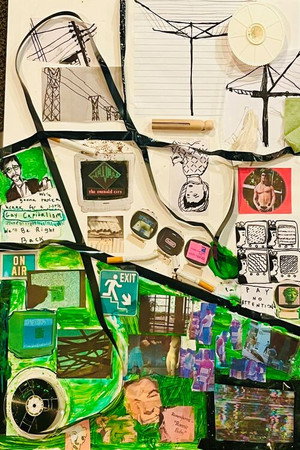
A continuously running two-channel installation, presented on 9" and 25" CRT monitors atop pedestals and overlooked by a green Kit-Cat clock. The smaller CRT bears a painted green square and is framed by a pair of crossed silver opera gloves, at whose intersection rests a vintage push-puppet of two boxers sharing a single red stand. Together, the two monitors display distinct video collages interweaving footage from Emerald Square Mall and the strike during its 1989 construction with remixed interferences from Channel J's Emerald City TV (1976–1979), Huge Video's Heat in the Night (1989), Genet's Un Chant d'Amour (1950), various cigarette commercials, The Wizard of Oz (1939), and a performance of a mylar-clad entity wrapping one of the televisions in videotape. The work has most frequently circulated publicly through its primary video channel.
Here, where even monsters are political, the topography has its own memory. It has the mythological blues. Meanwhile, old gods are upset with us, and I am upset with my father.
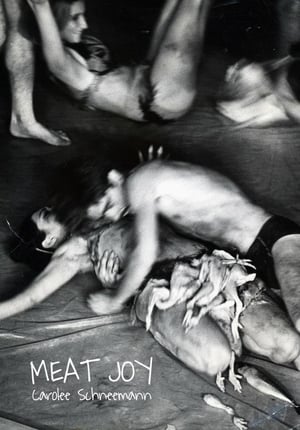
"Meat Joy is an erotic rite — excessive, indulgent, a celebration of flesh as material: raw fish, chicken, sausages, wet paint, transparent plastic, ropes, brushes, paper scrap. Its propulsion is towards the ecstatic — shifting and turning among tenderness, wildness, precision, abandon; qualities that could at any moment be sensual, comic, joyous, repellent. Physical equivalences are enacted as a psychic imagistic stream, in which the layered elements mesh and gain intensity by the energy complement of the audience. The original performances became notorious and introduced a vision of the 'sacred erotic.' This video was converted from original film footage of three 1964 performances of Meat Joy at its first staged performance at the Festival de la Libre Expression, Paris, Dennison Hall, London, and Judson Church, New York City."
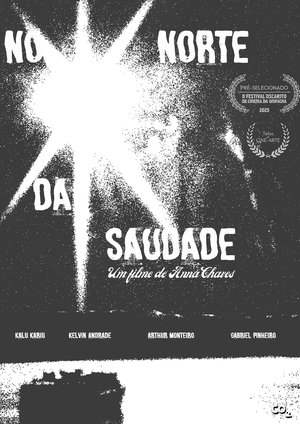
Kalú Kariú, a trans artist and poet from northern Brazil, reflects on how “saudade”, an untranslatable feeling of profound nostalgic longing, becomes a powerful source of creation. After eight years away from his roots, Kalú invites us into a space where memory, distance and identity intertwine, and art is born from absence.
Breathe deeply: in 3 years, your molecules will circle Earth, as today’s oxygen came from nature.
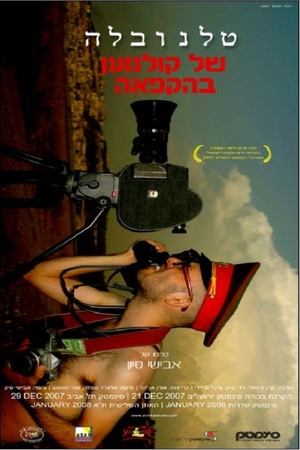
"Soap Opera of a Frozen Filmmaker" project is a series of seven episodes of cinematic diaries. It is the unique point of view of an anonymous artist whose entire essence of existence is to make films, but he is rejected on every front time after time. During the process he ponders his life as an artist, the nature of material society and life in general, in which his owm life eventually become a tragedy.
Landscapes change with time; people don't. I try to expose the solipsism of lower Appalachian life in this day and age.
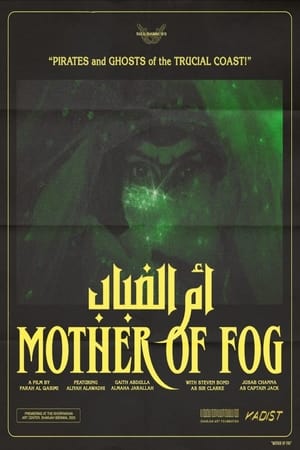
In what could be considered a follow up to Al Qasimi’s 2020 work Mother of Fire, she once again invokes the figure of the jinn (spirits in Islamic mythology) to explore the ghosts of British imperialism in the UAE. As its spectre lingers on the horizon, two teenage girls seek to liberate a pirate damned to spend purgatory on a site now being developed into a hotel. Originally commissioned for Sharjah Biennial 15: Thinking Historically in the Present, Al Qasimi entangles historical narratives with contemporary notions of piracy. In examining how it has been historically and culturally represented, new perspectives of old mythographies come into focus. (Myriam Mouflih)
A short philosophical satire that wanders between the absurd and the profound. From a silent bed stare to a prophetic lentil, Cryptex explores the rituals of modern existentialism — one cup of coffee and one book at a time.