In this dance film, choreographer Krisztina de Châtel returns to Hungary, her country of birth, together with her dancers and memories. In Budapest, bridges, squares, streets, and courtyards bring the hectic energy of the city to life. The dancers resist the pace of the metropolis with powerful, physical movements. In search of peace, the group moves to the countryside, where they are confronted with another, equally compelling force: the earth itself. The journey culminates in stomping, earthy movements in which control, resistance, and endurance are central. Stalen Neuzen is the result of an intensive collaboration between choreographer Krisztina de Châtel, director Erik van Zuylen, and designer Conrad van de Ven. The film shows De Châtel's work in a distinctly cinematic context and forms a poignant portrait in which the will to control and physical discipline becomes visible and tangible.
1983
À toi, il y a un instant
Les invités
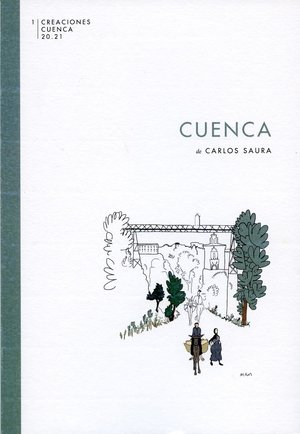
A medium-length documentary commissioned by the Cuenca City Council. The documentary shows an honest, sincere, although sometimes mere tourist portrait, of the lands of Cuenca and its people, without artifice or imposture, with feeling and authenticity and at the same time with marked coldness.
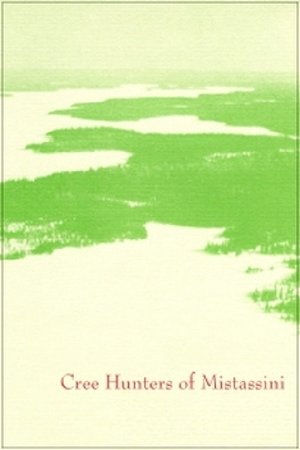
An NFB crew filmed a group of three families, Cree hunters from Mistassini. Since times predating agriculture, this First Nations people have gone to the bush of the James Bay and Ungava Bay area to hunt. We see the building of the winter camp, the hunting and the rhythms of Cree family life.
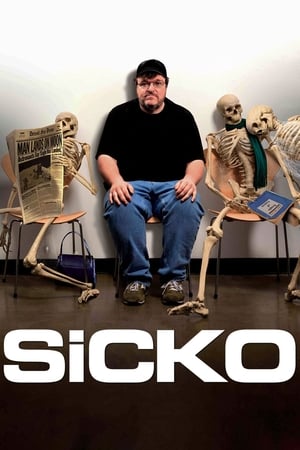
A documentary about the corrupt health care system in The United States whose main goal is to make profit even if it means losing people’s lives. "The more people you deny health insurance, the more money we make" is the business model for health care providers in America.
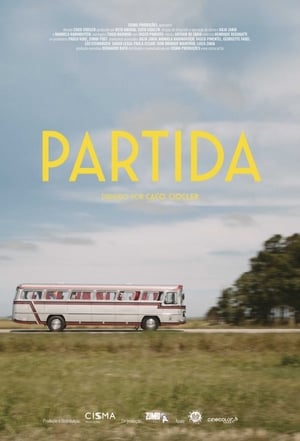
The film documents the construction of political thinking of the newest candidate for the presidency of the Republic of Brazil by the female PARTY, the actress Georgette Fadel, from her relationship with an unusual troupe of ten people who accompany her on an initiatory journey in search of hers greatest reference, Pepe Mujica, in Uruguay.
A documentary about the infiltration by parachute drop of Free French by the OSS on the eve of D-Day.
Wolves divide and fascinate us. 150 years after they were driven to extinction in Central Europe, they are returning slowly but inexorably. Are they dangerous to humans? Is it possible to coexist? Using Switzerland as a point of departure, where wolves have returned in the very recent past, this documentary sheds light on the wolf situation in Austria, eastern Germany, Poland, Bulgaria, and even Minnesota, where freely roaming packs of wolves are more common sight.
Heartwarming, inspiring documentary that explores the unbreakable bonds we share with our dogs & how humans and dogs rescue each other.
The raft man Manuel Jacaré was swallowed by the sea when Orson Welles was filming It's All True in 1942. The fact evokes memories of the dictatorship of the Estado Novo, of World War II, of Ceará fishermen's struggle for labor rights and housing in their traditional space - target of real estate speculation.
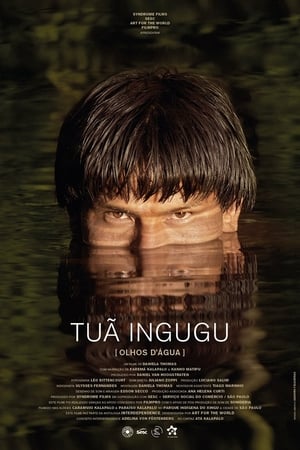
In the Kalapalo cosmogony (an ethnic group that lives in the Xingú Indigenous Park), water is as old as humans and is the source of life. That is where all their sustenance comes from, their food, their drink, their joy. The idea of using water as a dumpster, of poisoning water is a dystopia. In this documentary Chief Faremá —from Caramujo village on the banks of the Kuluene River— tells us about the birth of water and warns us about the consequences of disrespecting it.
Documentary on the Royale Galery Saint-Hubert in Brussels.
Meet three men, who grew up in Vidsel, a small village in the north of Sweden. The men feel its hard to find a life partner, they have all found their love in Thailand.
This film is an African “Boyhood” that gives an insight to the political and historical situation of Burundi throughout the last 24 years through the eyes of six street children that now have become adults.
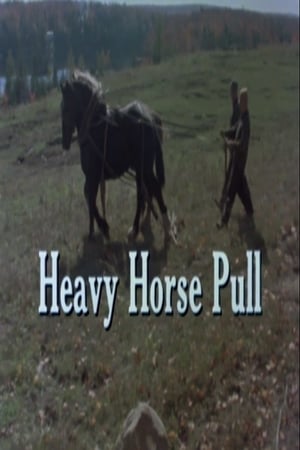
This short documentary offers a humorous look at horse-pulling contests in Ontario and the people who prepare for them. We travel from the farm to the contest, where excitement runs high and the quips do not lack in local colour. Which of these magnificent creatures will be able to pull the heaviest load and win the prize?
Every fifteen days, Antoine, five, spends the weekend at his father's house. Time is counted, limited, condensed. For them, two days to do, to do again, to learn, to understand one another and to each other is little ... The father opens his son the initiatory territory of the forest where to kill is not playing. But on the return of the hunt, the father and son are equally disarmed: Antoine refuses to learn to read, and his father knows that this unknown forest of life is even more dangerous if one loses oneself.
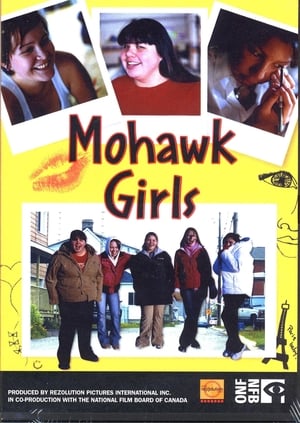
For three teenage girls growing up in Kahnawake — and indeed, all teenagers on the reserve — life can be quite confusing. If they want to move away to pursue new experiences — perhaps in nearby Montreal — they risk losing credibility, or worse yet, their rights as Mohawk women. Of course, if they stay, their opportunities in the tiny community are limited. With insight, humour and heart, director Tracey Deer (who left Kahnawake to attend school and pursue filmmaking) returns to her community to follow these Mohawk girls and tell their stories. Her deeply emotional documentary reveals the complex hope, heartache and promise of growing up Indigenous in the 21st century.
A look into Africa that is rarely available to ethnographers or anthropologists. At its heart is the spirit of interaction. It observes, but with the wavering eye of home movie, rather than the fixed formality of a documentary.