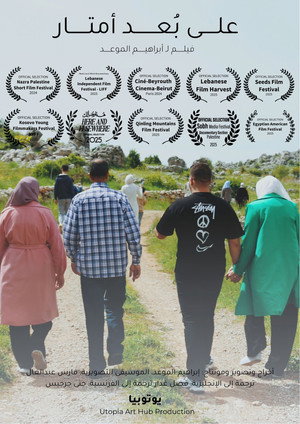
The story of Nisar Ahmed Khan, told through his children and the people he served, a spiritual guide whose followers still visit his tomb on his birth and death anniversaries. And alongside how his family spends a few days at the village keeping his traditions alive.
“I love poetry because it makes me feel like my mind expands.” In Regard Silence, that's the very first sentence expressed—in sign language of course. Watching the poems signed by deaf people in this film has a similarly mind-expanding effect. That’s because sign language—the Mexican version in this case—is a very different means of communication than written or spoken language.
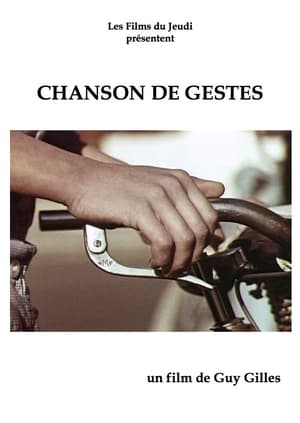
Choreography of familiar gestures that the author was able to spice up with a peculiar and original perspective.
A filmmaker revisits her childhood, interweaving 16mm vignettes and her old child services documents, uncovering the truth she couldn't voice as a child.
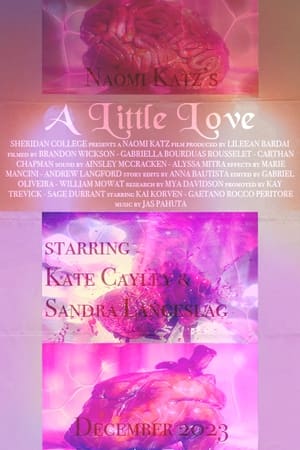
Through interspersed conversation and prose, this experimental documentary follows a poet and a neuroscientist as they explore the definition of love, what it means, and why it matters.
This feature-length docu-poem shines a well deserved light on the factory workers and their processes at Stone Island’s headquarters located in Ravarino, Italy.
Exploration of the ordinary lives led by women of different classes—a college professor, an unmarried woman, and a seasoned drama artist. They unveil the societal intricacies woven into their social backgrounds, with typical evening talks besides them. Gripping tales of yore immersed in the metaphorical embrace of their surroundings, their familial shelters are emblematic of resilience and protection, where profound truths lie hidden within the depths of the commonplace.
‘Under the Weight of a Waking Dream’ is Zefier's debut swan song to the ending year. Comprised of poetry and endless enumerations is a diaristic film chronicling the lessons and contradictions found throughout the human experience.
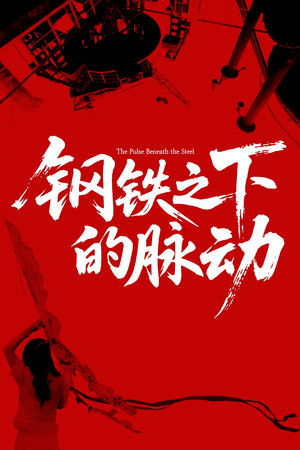
Once the beating heart of Beijing’s steel industry, Shougang was a leviathan forged from iron and fire. Its blast furnaces once echoed with labour and ambition, embodying the raw force of China’s industrial might. Today, these same structures are repurposed into spaces of digital innovation and Olympic legacy, marking one of the most ambitious urban transformations in modern China. This documentary traces the metamorphosis of Shougang Park through three poetic chapters: its industrial past, the deliberate reinvention of its architecture, and its re-emergence as a tech-driven ecosystem. Through immersive visuals and the voices of those who once toiled within its furnaces and those now forging its future, The Pulse Beneath the Steel is more than a portrait of place. It is a meditation on memory and transformation at the heart of a city that bridges heritage and modernity.
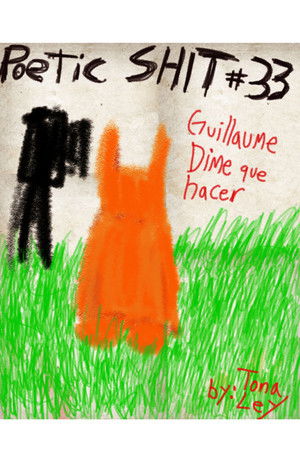
Poemas de la Poetic Shit #33 - Guillaume dime que hacer
You hear the gentle lapping of the water, the shimmer of the waves. The room is all blue. Right in front of you, a fragile signal is picked up on the screen. Step closer, and press A to mimic it. Hold the frequency : This is your first contact with the loneliest whale in the world. Note where it is, we’ll come back to it later.
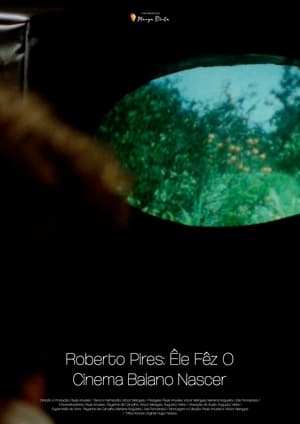
Before Cinema Novo revolutionized the Brazilian cinematic scenery, a young craftsman and Bahian filmmaker had already paved the way for the beginning of the journey for some of the biggest and most popular films of Brazilian history. The documentary tells fragments of the story of director Roberto Pires, through snippets of his life and a journey through his body of work, interspersing archival footage, scenes of his films and an interview with his son, also a filmmaker, Petrus Pires, followed by a poetic narration and an original soundtrack inspired by his film Abrigo Nuclear.
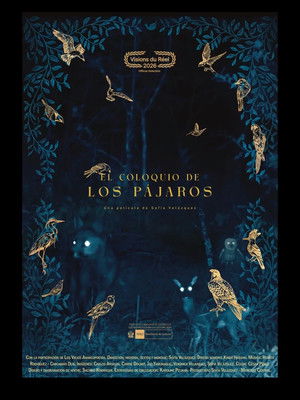
There was once a group of Peruvian anarchist poets forced into hiding who, during their secret meetings, sought to assume a non-human identity. Drawing on the famous Persian fable of the same name, the filmmaker translates the power of poetry and friendship into images and sound, serving as def iant stances against the established order.
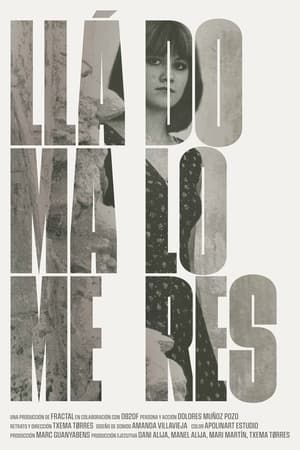
On the threshold of her old age, Dolores faces a wall full of memories.
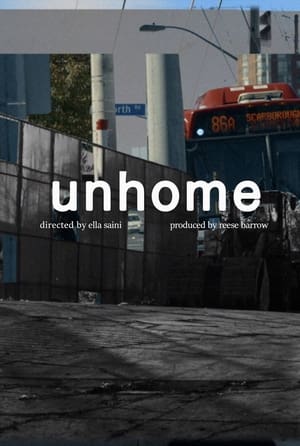
Through the memories of three Scarborough residents, unhome explores the cultural identity of home and the impact of gentrification
In this film, we get to know the socially engaged sculptor Asbjørn Høglund, who has made a deep impression through his contributions to the public sphere. Hundreds of people pass several of his sculptures every day, but few know who the artist is. Asbjørn is represented at the National Museum of Norway, but during his 85 years he has only had two exhibitions and remained in the shadow of his sculptures throughout his life. The film explores his creative process, his legacy, and his lifelong dedication to his craft. Viewers get an intimate glimpse into his daily studio routine and experience the third exhibition of his life at Galleri Vanntårnet. As the artist reflects on his life's work, the film presents a moving contemplation of art, aging, and the enduring power of creativity.
The experimental animated film Song of the Flies (El Canto de las Moscas), translates the desolation caused by the violence of the Colombian armed conflict through the poetic voice of Maria Mercedes Carranza (1945–2003) and the audiovisual dialogue between 9 Colombian women. In 24 places, as a transit over the course of a day (Morning, Day, Night) a map of terror is drawn where massacres took place in Colombia in the 1990s. Archival images, the artists’ personal memories and the use of loops and analogue materials bring to life the landscapes ravaged by violence and build a polyphony of memory and mourning, a universal song of pain.
Some members of the Al-Mawad family (of Palestinian origin) visit their relatives in the town of Kfarshuba in southern Lebanon, which is a few meters away from Palestine. This documentary portrays this journey with its narratives and family adventures.
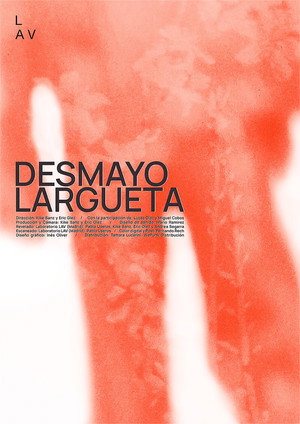
Desmayo Largueta
Framed within the genre of "essay film", and with the landscape of Mar de Cobo as its central core, the film explores the limits between documentary and fiction through a strong poetic imprint.