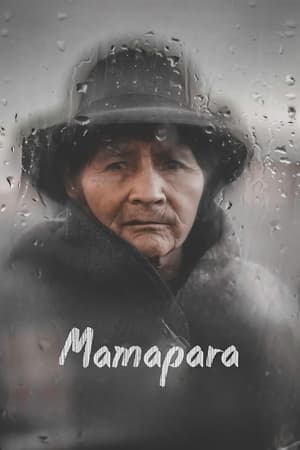
In a remote Peruvian city, lives Honorata Vilca, an illiterate woman of Quechua descent who sells candies more than 20 years ago, with the rain will cry to the sky itself.
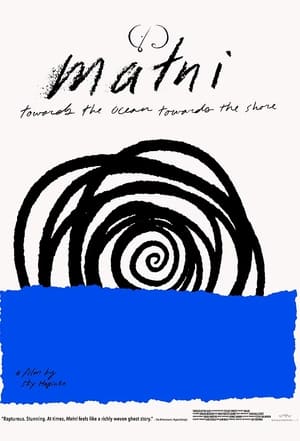
An experimental look at the origin of the death myth of the Chinookan people in the Pacific Northwest, following two people as they navigate their own relationships to the spirit world and a place in between life and death.
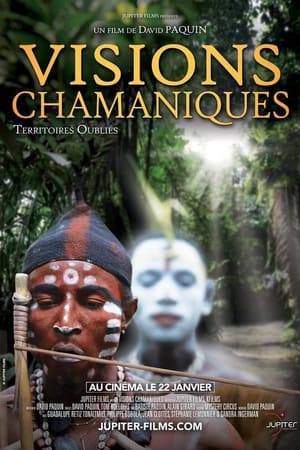
This film is an initiatory journey among the Fangs of Gabon and the Shipibos of Peru. With the sound of traditional instruments like the mogongo (arc in the mouth), the holy harp, and the Icaros, we discover the traditional peoples’ wisdom.
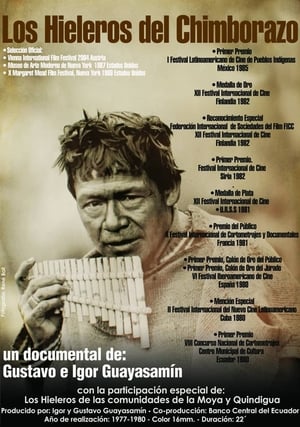
Since colonial times, the indigenous people of the Andean mountains have ascended to peaks that reach 5,200 meters above sea level. There, they crush gigantic blocks of ice that carry on their backs to sell them later in the fairs of Riobamba and Guaranda. The film shows the living conditions of the communities that live from this activity.
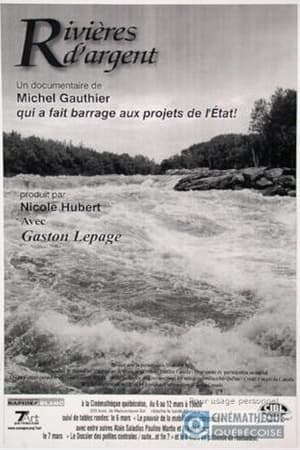
In 2001, the government of Quebec announced a new program to issue permits for the construction of private hydroelectric dams at specific sites. Upset, the population took things into their own hands and decided to act. Citizens formed collectives to protect their waterways, among the most beautiful in the province. This documentary follows several artist and citizen groups who led a crusade to force the Québec government to abandon private hydro-electrical production. It is a thorough inquiry on the environmental impact and other repercussions of such projects.
Quais-Blues
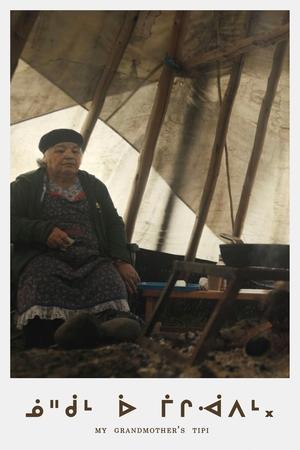
“Nuuhkuum uumichiwaapim” (« My Grandmother’s Tipi ») is an exploration of the sensorial and textural experience of a grandmother’s tipi. It is based on memories of being in a tipi, observing in the bliss of cooking and the time in-between.
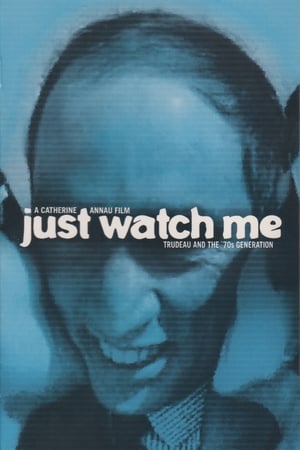
Canadian director Catherine Annau's debut work is a documentary about the legacy of Pierre Trudeau, the long-running Prime Minister of Canada, who governed during the 1970s. The film focuses particularly on Trudeau's goal of creating a thoroughly bilingual nation. Annau interviews eight people in their mid-30s on both sides of the linguistic divide. One tells of her life growing up in a community of hard-core Quebec separatists, while another, a yuppie from Toronto, recalls believing as a child that people in Montreal got drunk and had sex all day long. Annau has all of the interviewees discuss how Trudeau's policies affected their lives and their perceptions of the other side, in this issue that strikes to the heart of Canada's national identity.
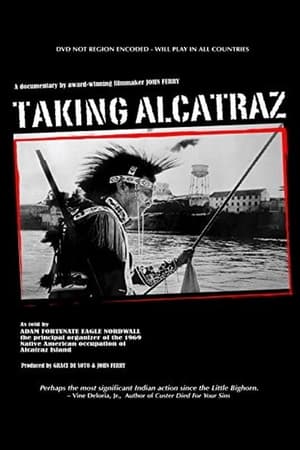
A documentary account by award-winning filmmaker John Ferry of the events that led up to the 1969 Native American occupation of Alcatraz Island as told by principal organizer, Adam Fortunate Eagle. The story unfolds through Fortunate Eagle's remembrances, archival newsreel footage and photographs.
TOKYO Ainu features the Ainu, an indigenous people of Japan, living in Greater Tokyo (Tokyo and its surrounding areas), who are and actively in promoting their traditional culture in a metropolitan environment away from their traditional homeland, Hokkaido. Shedding a common assumption that all Ainu live in Hokkaido, the film captures the feelings, thoughts and aspirations of Ainu people that who try to follow the Ainu way no matter where they live.
For the Suruí, an indigenous people in western Brazil, there was a lot at stake in the 2022 presidential elections. Under incumbent President Bolsonaro, logging and mining companies were given free rein in their territory. His opponent Lula, on the other hand, pledged to protect the Amazon and uphold Indigenous rights. Tribal leader Almir and his daughter, the young activist Txai Suruí, are each followed during their campaign in the final month before the elections. While Txai travels abroad to raise awareness about the destruction of the rainforest, Almir campaigns across the state of Rondônia, seeking support for his congressional bid.
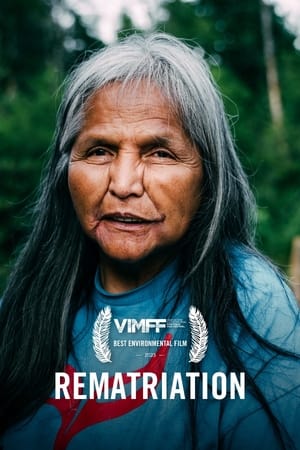
Rematriation explores scientific, cultural, economic and sociopolitical perspectives, as citizens fight to protect the last big trees in British Columbia from being felled. The lessons we take away permeate the fabric of Canadian identity.
In Mexico, the lack of jobs in villages and communities forces people to migrate to cities in search of opportunities and better income. This is the case of Justino, originally from the village of Muchucuxcáh, in the Yucatán Peninsula, who after traveling to Cancun and encountering problems and suffering there, decided to return to his village and learn to work with wood. Justino demonstrates how humans can interact with nature and their surroundings to have a dignified job.
This short film is a series of vignettes of life in Saint-Henri, a Montreal working-class district, on the first day of school. From dawn to midnight, we take in the neighbourhood’s pulse: a mother fussing over children, a father's enforced idleness, teenage boys clowning, young lovers dallying - the unposed quality of daily life.
This short documentary film is a fascinating portrait of urban and rural Quebec in the late 1960s, as the province entered modernity. The collective work produced for the Quebec Ministry of Industry and Commerce calls on several major Quebec figures.
Gilles Groulx's first film shot in 1955 with a camera borrowed from his brother and edited during his spare time when he worked as an editor at the Radio-Canada news service a few years before he joined the NFB. Silent film, presented as its author left it, where the soil and the dialectic of Groulx's work are already there: documentary realism, the social space to be explored, daily life, the relationship between individual and society, social disparities, the consumer society, seduction and happiness.
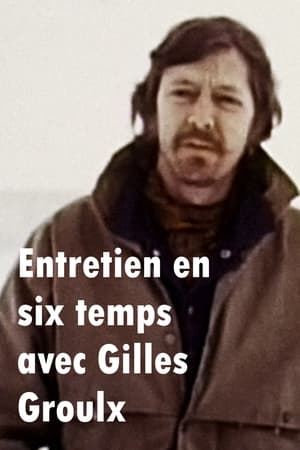
This feature-length documentary brings together six of the rare television interviews given by Gilles Groulx between 1966 and 1983. Through these interviews, the filmmaker's ethical and aesthetic concerns are revealed. A striking coherence emerges in his thinking regarding his conception of cinema and the role the filmmaker should play in his culture and society.
In this feature-length documentary, six teenage girls, aged 14 to 16, agree to open up and have their private worlds invaded by the camera. They have to face problems that they intend to take on "to the end": early experience of sexuality, belonging to a gang, relationships with parents, social tolerance, friendship... They live tender and pure lives in their own way.
Wapikoniskaw
Ten years after an enormous open-pit gold mine began operations in Malartic, the hoped-for economic miracle is nothing more than a mirage. Filmmaker Nicolas Paquet explores the glaring contrast between the town’s decline and the wealth of the mining company, along with the mechanisms of an opaque decision-making system in which ordinary people have little say. Part anthropological study, part investigation into the corridors of power, Malartic addresses the fundamental issue of sustainable and fair land management.