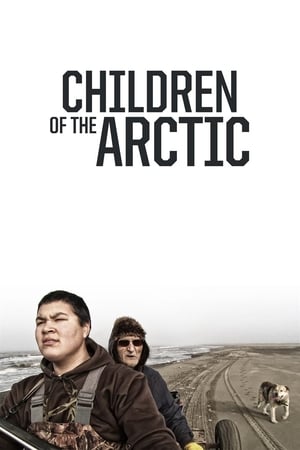
Children of the Arctic is a portrait of five Native Alaskan teenagers growing up in Barrow - the northernmost community in the United States. As their climate and culture undergo profound changes, they strive to balance being modern American kids and the inheritors of an endangered way of life.
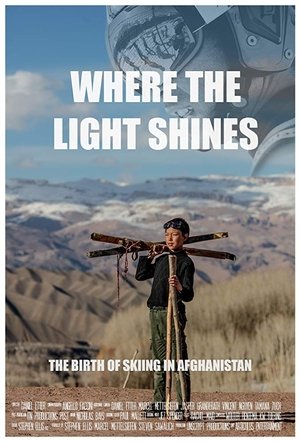
When two men compete to qualify in the Winter Olympics for the first time for Afghanistan, they realize that home is worth fighting for. In their wake they leave a passion for skiing and a hope for a brighter future. Where the Light Shines is the debut documentary from Pulitzer Prize-winning photographer Daniel Etter with stunning cinematography by Angello Faccini. It is produced by Academy Award nominees Marcel Mettelsiefen and Stephen Ellis along with Steven Sawalich from Articulus Entertainment. Filmed over four years, Where the Light Shines paints an intimate portrait of life in Afghanistan and shows the difficulties of trying to create change in a country that for generations has only seen war.
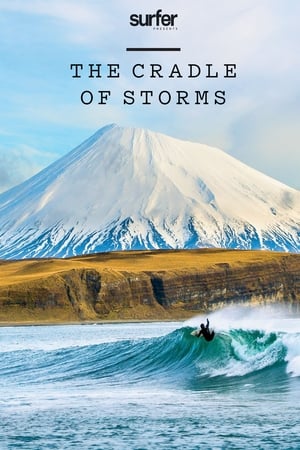
Alex Gray, Josh Mulcoy, and Pete Devries went on a journey through the remote Aleutian Arc of Alaska, the birthplace of storm systems that send swell back to the rest of us in civilization. They braved heavy weather, flew on rickety prop planes, and ate seal meat en route to discovering one of the best cold-water slabs in the world. The film follows the cold-water crew as they traverse the island on quad bikes, tracking pulses of swell to remote bays and never before surfed points. Set against the stunning volcanic backdrop of the Aleutian Islands, The Cradle of Storms is cold-water surf exploration at its finest.
You must once in a while uproot yourself from the daily routine to better see what doesn’t serve you anymore - not to run away from but to get closer to yourself.
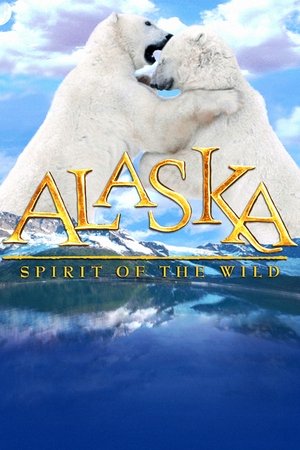
Alaska... Here, in this vast and spectacularly beautiful land teeming with abundant wildlife, discover the "Spirit of the Wild." Experience it in the explosive calving of glaciers, the celestial fires of the Aurora Borealis. Witness it in the thundering stampede of caribou, the beauty of the polar bear and the stealthful, deadly hunt of the wolf pack.
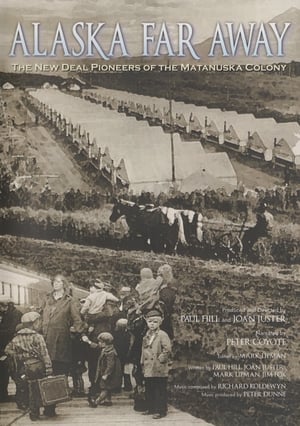
'Alaska Far Away' tells the story of the Matanuska Colonization Project of 1935, a creative and controversial New Deal program that relocated 202 families devastated by the Great Depression, taking them from the upper Midwest to the Matanuska Valley in Alaska to start an experimental farming colony. It generated a whirlwind of publicity and controversy at the time, not only as a federally-funded social experiment, but also as one of the last pioneer movements in America. The Matanuska Colony isn't just a fascinating footnote to the history of Alaska. It encompasses the despair of the Depression, the creative energy of the New Deal, the adventure of pioneering in Alaska, and the best and worst of our government and ordinary citizens in facing those extraordinary challenges.
Professional backcountry skier Sierra Schlag has built a career around focus, grit, and always chasing the next big line. She takes her job, and her skiing, seriously. But when Waverly Chin—aka Waves—her funky, free-spirited best friend shows up with snacks and silliness, it’s a reminder not to take life (or skiing) too seriously.
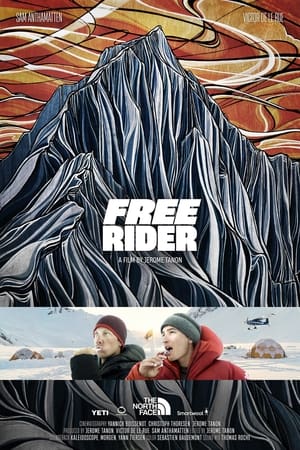
Sam Anthamatten (ski) and Victor de Le Rue (snowboard) push new boundaries in the wildest corner of Alaska. A bush pilot drops the small crew of five on a remote, unexplored glacier to conquer the spine walls in a series of ascents, each one more committed. Narrator Jérôme Tanon describes with honesty and a touch of sarcasm what exactly is going on here. Above all, he wants to feel what it’s like to be in their shoes, to understand what so called “free riders” are made of, and what could be the purpose and beauty of “freeriding”.
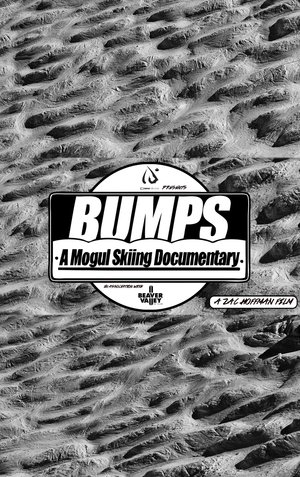
Bumps: A Mogul Skiing Documentary - The criminally under-told story of the athletes who dedicate their lives to perfection in a sport where perfection is impossible. "Bumps" reaches deep into the heart of the mogul skiing world. Mogul skiing has become a very popular event at the Olympics, but beyond the fact that competitors ski down some bumps and do a couple jumps, spectators don’t really understand. Bumps, directed by Canadian National Team member and filmmaker Zac Hoffman, fills this gap. The sport has yet to be shown to the public in a way that does it justice. A mogul run is exciting to watch, but once someone knows what goes into being able to make it down that course, it becomes so much more. It’s a display of strength, intensity, finesse, strategy, individuality, and mental fortitude.
On the trail of nomadic peoples and the ancient Silk Roads, Thomas Delfino, accompanied by Léa Klaue and Aurélien Lardy, embark on an expedition to reach one of the most remote places on the continent. The Kokshaal-Too range is located in the Tian Shan mountain range, on the border of Kyrgyzstan and China, and harbors unexplored mountains and faces. This skilled team, accompanied by renowned guides Hélias Millerioux and Jean-Yves Fredriksen, finds themselves propelled into a space where time seems to have suddenly come to a halt.
Teton Gravity Research and Indy Pass bring you a short film celebrating the independent spirit of the Midwest ski and snowboard community. Those who ride the Midwest will tell you - they don’t need endless storm cycles, 4,000 feet of vert or fancy base areas to have fun. A few rope tows and rails, a set of slalom gates to bash, reliable snowmaking and a sense of adventure is all it takes. The ski industry could learn a few tricks from these tried and true Midwest ski areas: Family-first means affordable passes, after school programs, volunteer-led race clubs and most importantly, a sense of camaraderie. In Pursuit of Soul 2: Midwest Independence was filmed on location at Buck Hill, Caberfae Peaks, Granite Peak, Little Switzerland, Lutsen Mountains, Nordic Mountain, The Rock Snowpark, and Tyrol Basin.
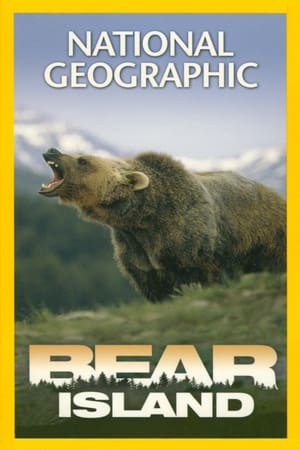
The majestic Alaskan brown bear is the largest predator in southeastern Alaska, but everywhere, its ancient haunts are under siege. As the modern world closes in, the great bear’s world is shrinking and encounters between humans and bears are on the rise. Join researcher LaVern Beier as he uses cutting edge technology to protect this extraordinary species. To observe them on their turf, without risking life and limb, LaVern attempts to deploy National Geographic’s CRITTERCAM. Until now, CRITTERCAM has been used almost exclusively on marine animals. Vern and his colleagues are on the cusp of a revolution in terrestrial field science…the opportunity to vicariously walk with bears into the deepest corners of their habitats, where even great hunters barely dare venture.
From humble beginnings, complex family dynamics and tragic, life-changing events, to her unlikely rise to success in two very different worlds: fashion modeling and professional skiing. “How Did I Get Here” is a coming-of-age story, full of adventure, exploration, heartbreak, growth and inspiration.
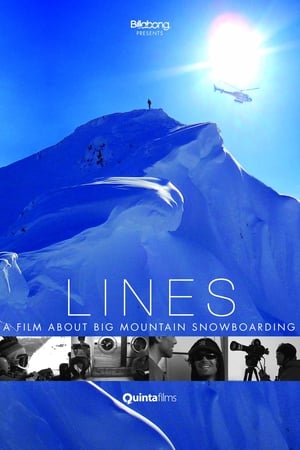
The documentary follows a crew of snowboarders for six weeks in the Chugach mountains, and showcases what it takes to ride these unique Alaskan mountains: the waiting, the stress, the dangers, everything that goes into it and is usually never shown. It also retraces some of the history of this unknown discipline and pays tribute to the pioneers. But the film really focuses on the human aspect and why these people do what they do.
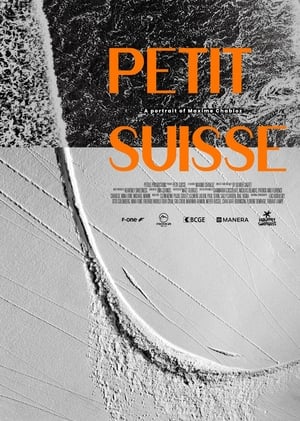
Petit Suisse
Deep inside the arctic, scientists are experimenting with extreme palaeontology methods to unlock the secrets of polar dinosaurs, and perhaps the key to our own survival on Earth. On Alaska's north slope there are dinosaur bones, lots of them. But they're trapped in an icy tomb - an impenetrable wall of permafrost. Dinosaurs on Ice follows the journey of two scientists, Dr Tom Rich and Dr Tony Fiorillo, who undertake separate expeditions to the Colville River in Alaska's far north to uncover the dinosaurs' bones and break the ice on a prehistoric world that until now has been unreachable. But the task is not easy. The weather is extreme, the location remote.
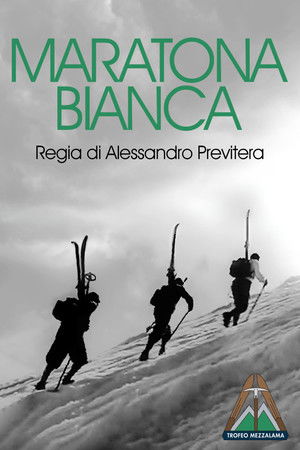
Documentary on one of the first editions of the Trofeo Mezzalama, the highest ski mountaineering race in Europe, at more than 4,200 meters above sea level, which takes place on the glaciers of Monte Rosa, from Breuil to Gressoney-La-Trinité, crossing the summits of Castor (4,199 meters) and Nez du Liskamm (4,100 meters). The film recounts the last hours of feverish preparation before the start, the teams preparing for the race linked in ropes, then follows the stages of the competition by following the groups of skiers from a plane. Created in 1933, the Trofeo Mezzalama was contested until 1938, before falling into oblivion during the war. A second version was organized from 1970 to 1973. A third biannual version has been organized since 1997.
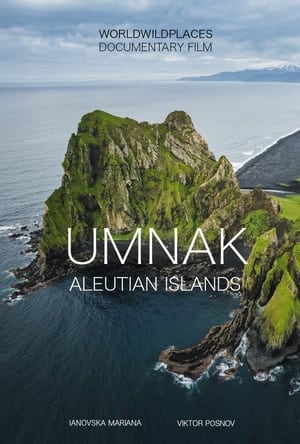
Explorers and amateur directors Mariana Ianovska and Viktor Posnov embark on a 40 day long trip across Umnak Island.
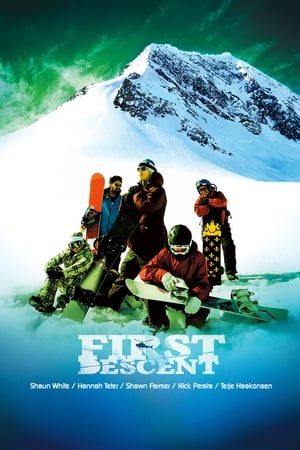
First Descent is a 2005 documentary film about snowboarding and its beginning in the 1980s. The snowboarders featured in this movie (Shawn Farmer, Nick Perata, Terje Haakonsen, Hannah Teter and Shaun White with guest appearances from Travis Rice) represent three generations of snowboarders and the progress this young sport has made over the past two decades. Most of the movie was shot in Alaska.
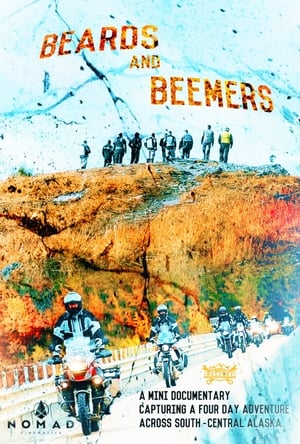
A mini documentary following a group of motorcycle adventurers on a four-day journey across south-central Alaska.