Included in this groundbreaking work are interviews with active farm attackers and serving police officers who confirm corrupt police are complicit in the mass‐slaughter of South Africa’s whites. Their truths are horrifying—a man and woman branded with hot irons and left to die. A husband killed in front of his wife and children. An elderly woman raped, another with half her face blown off from a shotgun. And they all share a common thread: revenge. This is a disturbing documentary—it wrought both an emotional and physical toll on all involved. What’s more, Katie was detained at the airport in South Africa on the orders of the African National Congress (ANC) for her work on this project because Plaasmoorde is the story—the truth—they don’t want you to see. We owe it to the victims—to our fellow man—to listen and to open our eyes to the truth.
Though both the historical and modern-day persecution of Armenians and other Christians is relatively uncovered in the mainstream media and not on the radar of many average Americans, it is a subject that has gotten far more attention in recent years.
An epic documentary of rise and fall of Ustasha regime in Croatia.
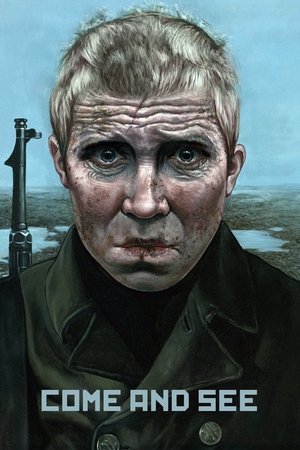
The invasion of a village in Belarus by German forces sends young Flyora into the forest to join the weary Resistance fighters, against his family's wishes. There he meets a girl, Glasha, who accompanies him back to his village. On returning home, Flyora finds his family and fellow peasants massacred. His continued survival amidst the brutal debris of war becomes increasingly nightmarish, a battle between despair and hope.
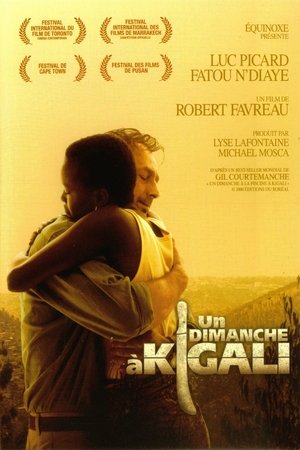
In April 1994, the middle-aged Canadian journalist Bernard Valcourt is making a documentary in Kigali about AIDS. He secretly falls in love for the Tutsi waitress of his hotel Gentille, who is younger than him, in a period of violent racial conflicts. When the genocide of the Tutsis by the Hutus in Rwanda begins, Bernard does not succeed in escaping with Gentille to Canada. When the genocide finishes in July 1994, Bernard returns to the chaotic Kigali seeking out Gentille in the middle of destruction and dead bodies.
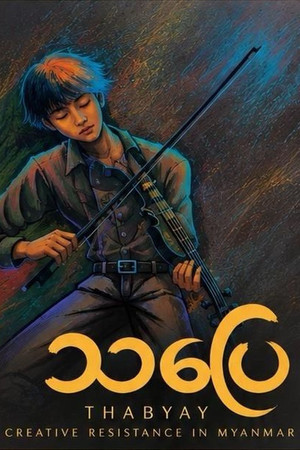
What happens when non-violent leaders are pushed to support armed struggle against a brutal regime in a forgotten war? Thabyay: Creative Resistance in Myanmar follows four democracy revolutionaries who are finding creative means to fight against the military junta. Some take up arms while struggling to stay true to their commitment to non-violence, while others engage in “artivism,” using music, poetry and art to bring about a peaceful, free, democratic and truly inclusive future for all people in Myanmar.
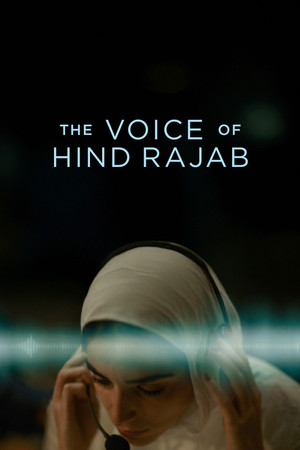
January 29, 2024. Red Crescent volunteers receive an emergency call. A five-year old girl is trapped in a car under fire in Gaza, pleading for rescue. While trying to keep her on the line, they do everything they can to get an ambulance to her. Her name was Hind Rajab.
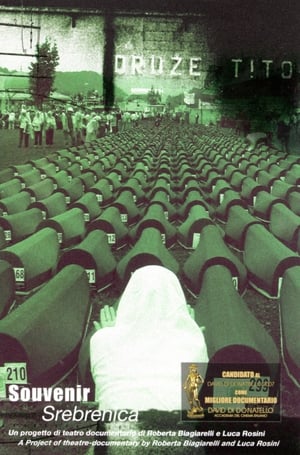
In July 1995, Srebrenica falls into the hands of Bosnian Serb forces led by General Ratko Mladić. Within a few days, thousands of Bosniak men and boys are separated from their families, killed, and buried in mass graves. Through Roberta Biagiarelli’s theatrical monologue, survivors’ testimonies, archival footage, and documents from the International Criminal Tribunal for the former Yugoslavia, the film reconstructs the story of the siege and the Srebrenica genocide. Shot in 2005 at the sites of the massacre, including the battery factory in Potočari, the film brings together memory, testimony, and historical documentation.
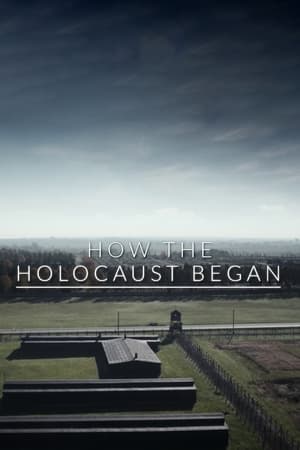
Historian James Bulgin reveals the origins of the Holocaust in the German invasion of the Soviet Union, exploring the mass murder, collaboration and experimentation that led to the Final Solution.
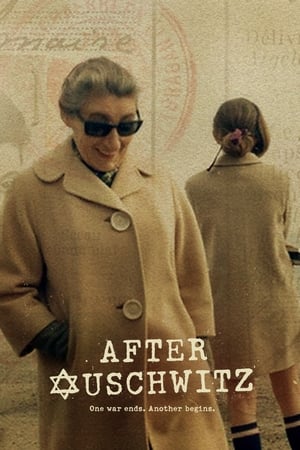
For six female Holocaust survivors, liberation from the camps marked the beginning of a lifelong struggle.
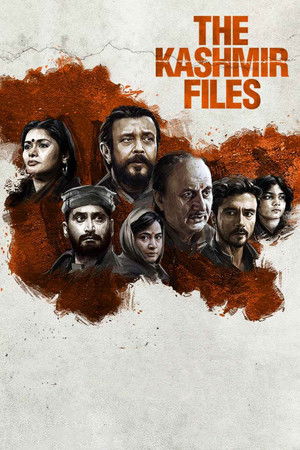
Based on a true tragedy, the emotionally triggering film sheds light on the plight of Kashmiri Pandits (Hindus), a religious minority in the 1990s Kashmir valley, who were compelled to flee their homes by the Islamic militants.
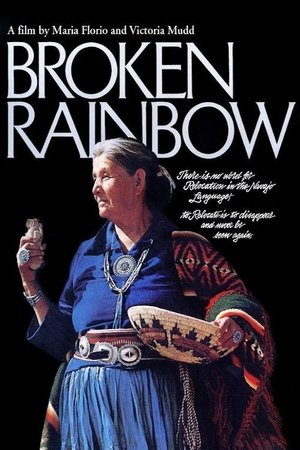
Documentary chronicling the government relocation of 10,000 Navajo Indians in Arizona.
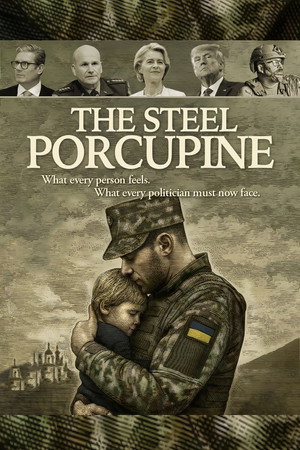
The Steel Porcupine is an unforgettable cinematic experience that exposes Russia's campaign of extermination in Ukraine, the Ukrainian people's spirit to resist and prevail, and the world's response. Blending rare archival footage with original material, it is a work of art-both informative and emotional-tracing the aftermath of murder, mass rape, child abductions, and a systematic effort to erase Ukrainian identity. It cinematically reveals Russia's national project to erase all things Ukrainian, and the determined fight by Ukrainians and their allies to resist and prevail. It's the fight of free people to stay alive and stay free.
Józef Gębski's film is a documentary reconstruction of the crime committed by NKVD officers against Polish officers imprisoned in Starobielsk and Kharkov in 1940. Accounts of historians and prosecutors are juxtaposed with the testimony of the then heads of the central and regional NKVD board.
Bosnia, July 1995. Aida is a translator for the UN in the small town of Srebrenica. When the Serbian army takes over the town, her family is among the thousands of citizens looking for shelter in the UN camp. As an insider to the negotiations Aida has access to crucial information that she needs to interpret. What is at the horizon for her family and people – rescue or death? Which move should she take?
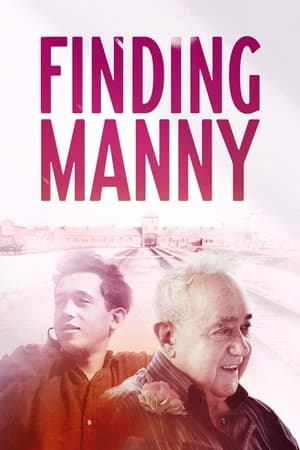
Narrated by Stephen Baldwin, Finding Manny shares a powerful theme of optimism and makes "never again" have meaning for the next generation. auschwitzsurvivorholocaustorphanagegenocide8 more. Taglines. 70 years after escaping from a Nazi death train-an empowering story of optimism through the darkest of moments.
Bilkis Banu lost her husband Hasan on the night of 25th March 1971. She tries to forget him and concentrate on the urban guerrilla movements of Dhaka with Altaf Mahmud, Shahadat, Mrs Khan and many more. But when spies and the razakars inform them, most of their people get arrested and Bilkis has to run for her life, towards her village.
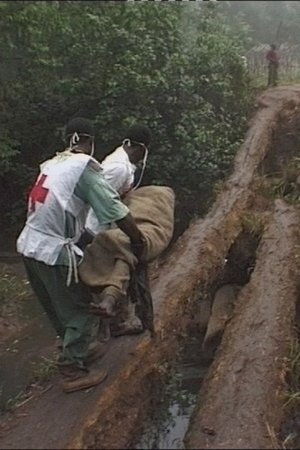
Along an overgrown rail track south of the Zairean town Kisangani, a UN expedition together with a handful of journalists discover “lost” refugees. They are eighty thousand Hutus from far away Rwanda, the last survivors of three years of hunger and armed persecution that transpired throughout the vast Congo basin. The Hutu-refugees leave the forest, gathering in two gigantic camps. Hundreds of refugees die every day from diseases and malnutrition The Rwandans are promised repatriation with airplanes out of Kisangani. The film traces those refugees into the heart of the rainforest, and the hopeless attempts to help them.. But only four weeks later, the unprotected UN-camps are again attacked by machine-gun fire, deliberately massacred by factions of the rebel army (AFDL) of today’s Democratic Republic Congo. Eighty thousand men, women and children disappear once again back into the jungle. (jedensvet.cz)
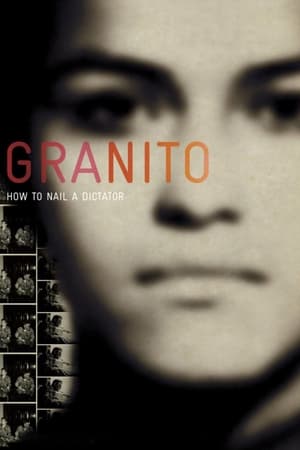
A story of destinies joined by Guatemala's past, and how a documentary film intertwined with a nation's turbulent history emerges as an active player in the present.
Filmed on May 22, 2010, at the Port of Piraeus during the loading of part of the humanitarian flotilla bound for Gaza, and on January 21, 2009, during a demonstration by artists outside the Israeli Embassy in Athens.