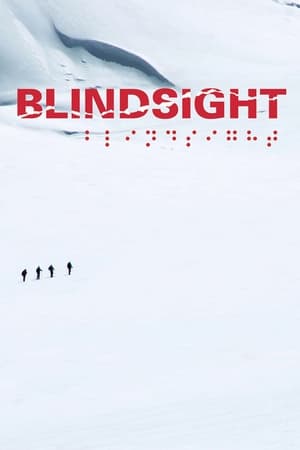
Six blind Tibetan teenagers climb the Lhakpa-Ri peak of Mount Everest, led by seven-summit blind mountain-climber Erik Weihenmayer.
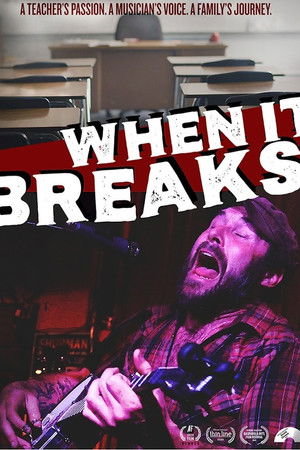
When It Breaks is the inspiring story of Special Education teacher Konrad Wert and his personal journey to avoid becoming another victim of teacher burnout. Stepping away from the classroom, Wert turns to his musical side career as a means to tour the country with his family and engage teachers, parents, and audiences in a conversation about the current state of Public Education, and specifically Special Education. As opportunities arise, Konrad must decide how his service is most effective- as an advocating artist or as a teacher in the classroom.
An educational film sponsored and distributed by the Los Angeles-based Narcotic Educational Foundation of America and directed by Gilbert Lasky with financial assistance of the Woman’s Relief Corps targets teachers as well as junior and senior high school students in the war on drugs. Narcotics are classified and effects of opiates, stimulants, and barbiturates are summarized and dramatized
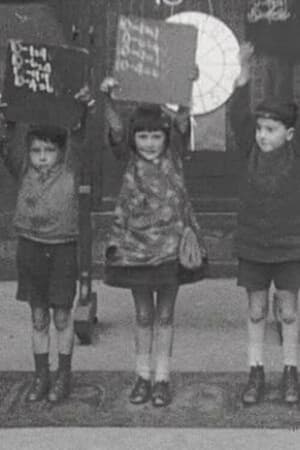
Children get ready to start the first grade. They start learning the first letters.
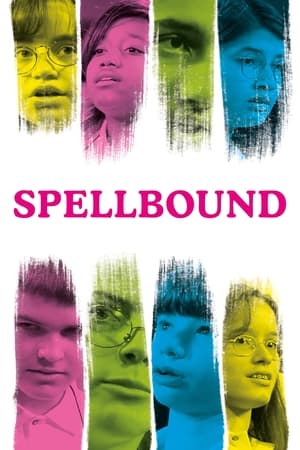
This documentary follows 8 teens and pre-teens as they work their way toward the finals of the Scripps Howard national spelling bee championship in Washington D.C.
This film takes us into the harsh realm of BC's early coal mines, canneries, and lumber camps; where primitve conditions and speed-ups often cost lives. Then, the film moves through the unemployed' struggles of the '30s, post WWII equity campaigns, and into more recent public sector strikes over union rights.
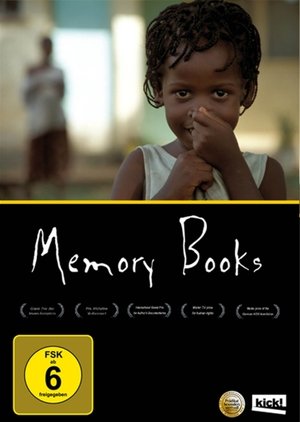
In Uganda, AIDS-infected mothers have begun writing what they call Memory Books for their children. Aware of the illness, it is a way for the family to come to terms with the inevitable death that it faces. Hopelessness and desperation are confronted through the collaborative effort of remembering and recording, a process that inspires unexpected strength and even solace in the face of death.
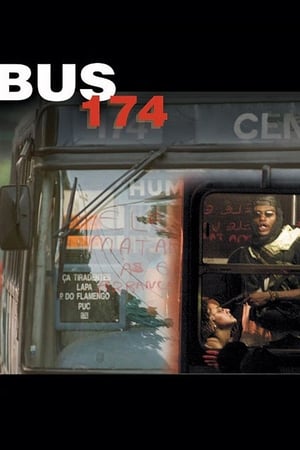
On 12 June 2000, in Rio de Janeiro, Ônibus 174 was taken by an armed young man, threatening to kill all the passengers. Transmitted live on all national networks, this shocking and tragic event became one of violence's most shocking portraits, and one of the most terrifying examples of police incompetence and abuse in recent years.
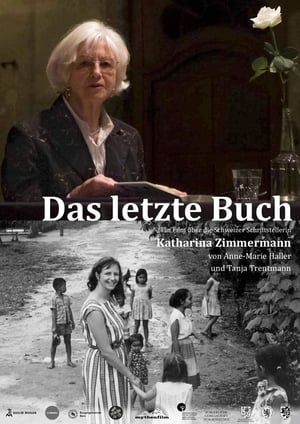
The film focuses on the exciting life journey of Swiss writer Katharina Zimmermann. She follows her husband on a mission to the jungle in Indonesia where she raises their four children and five foster children and lives through the military coup. Back in Switzerland Katharina discovers her voice and finds her path. Now, at eighty, she is writing her life story. Yet suddenly she faces another battle because her publisher is threatening to let her go.
A teacher chronicles his final year working in a school with a large underprivileged population.
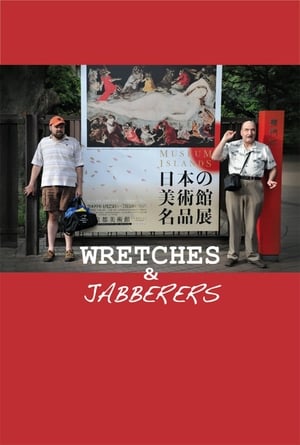
In 'Wretches & Jabberers and Stories from the Road', two men with autism embark on a global quest to change prevailing attitudes about disability and intelligence. With limited speech, Tracy Thresher, 42, and Larry Bissonnette, 52, both faced lives of mute isolation in mental institutions or adult disability centers. When they learned as adults to communicate by typing, their lives changed dramatically. Their world tour message is that the same possibility exists for others like themselves. At each stop, they dissect public attitudes about autism and issue a hopeful challenge to reconsider competency and the future. Along the way, they reunite with old friends from the USA, expand the isolated world of a talented young painter and make new allies in their cause.
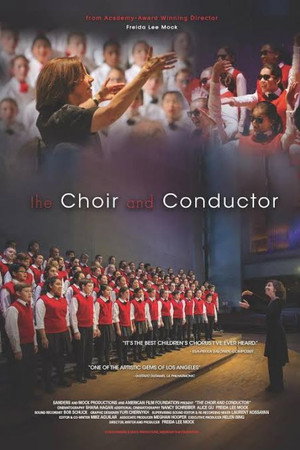
The Choir and Conductor is about a visionary conductor hired when few women were given the chance to conduct and her extraordinary impact on thousands of children who love to sing together in the LACC, now world renowned. The story takes place in Iceland and Norway where conductor Anne Tomlinson leads her last tour with 65 choristers. As they rehearse songs of social justice, of mothers and martyrs, of warriors of change and songs of beauty.
Jeet Kune Do (also "Jeet Kun Do", "JKD," or "Jeet Kuen Do") is a hybrid martial arts system and life philosophy founded by world renowned martial artist Bruce Lee in 1967 with direct, non classical and straightforward movements. The system works on the use of different 'tools' for different situations.[2] These situations are broken down into ranges (Kicking, Punching, Trapping and Grappling), with techniques flowing smoothly between them. It is referred to as a "style without style".
Young scholars get busy for Newcastle-on-Tyne's 'Education Week' in the tour of Tyneside classrooms.
Every now and then, we get a teacher who doesn't just connect with us -- they make us a better person in the world. Jeffrey Wright of Louisville, Ky. is one of those teachers. He uses wacky experiments to teach high school kids about science and the universe. But it's his own personal story about his relationship with his disabled son that shows his students the true meaning of life.
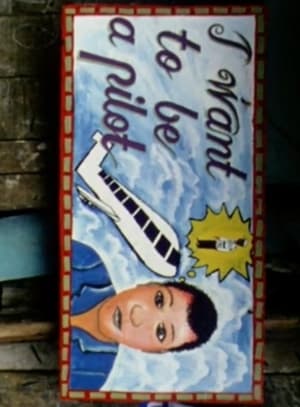
Omondi lives in the biggest slum in East Africa. Everyday he sees airplanes fly over him. He dreams of becoming an airline pilot and flying far away.
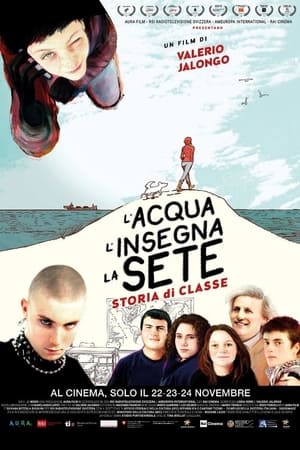
In Rome, Gianclaudio Lopez, a retired teacher, sets off in search of his former students who are now approaching their thirties. A Class Story mixes sequences of the video diary that the teenagers had filmed at the time and sequences shot now in which the protagonists, adults, remember this period and speak of their dreams, illusions and regrets.
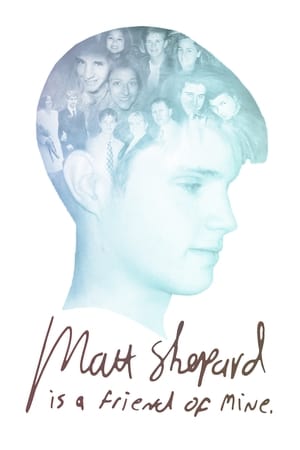
An intimate portrait of Matthew Shepard, the gay young man murdered in one of the most notorious hate crimes in U.S. history. Framed through a personal lens, it's the story of loss, love, and courage in the face of unspeakable tragedy.
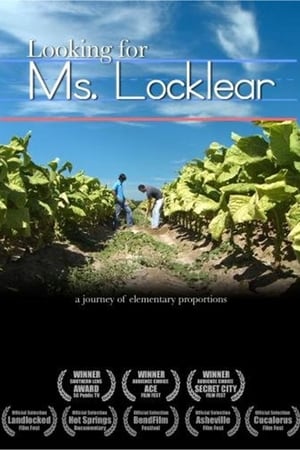
We met in first grade in Ms. Locklear’s class. During the summer of 2006, we decided to search for our beloved teacher. We chose not to use the internet or the telephone, but instead to rely on face-to-face contact with people. Looking for Ms. Locklear is a documentary chronicling our search, which led us far from home and into the company of a host of characters.
The film is a controversy on democracy. Is our society really democratic? Can everyone be part of it? Or is the act of being part in democracy dependent to the access on technology, progression or any resources of information, as philosophers like Paul Virilio or Jean Baudrillard already claimed?