La remise des décorations
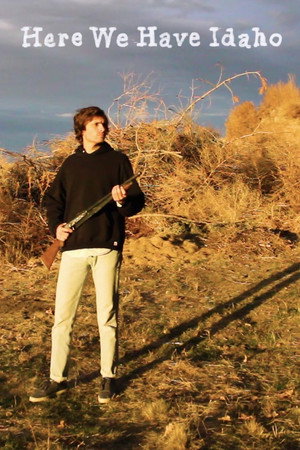
On a visit home to Idaho, Matt documents family dynamics and recalls scattered memories from childhood. “Here We Have Idaho,” is a witty self-portrait about small-scale resentments and feeling undervalued amongst loved ones. He leaves his “high-octane, balls-to-the-wall” life as a New York City alt comic to spend some time with the fam. But soon he learns there’s no room for him to stay in the house — he’s been demoted to sleeping in a trailer in the driveway, a fact that he stews on for days.
JEWS excavates a lost world of manners and ritual in home movies shot by several Chicago families from the 1920s through the 1940s. Much as in similar found footage soliloquies by Péter Forgács, Jay Rosenblatt and Ken Jacobs, director Roger Deutsch wrings unexpected pathos from mundane traces of the past. Children mug for the camera with dances of the day, upright mothers march their strollers up the avenue, men smoke, the family gathers around the table to light the candles. The bare title cannot help but raise the specter of contemporaneous events in Europe, lending an extra degree of urgency to the film's meditation on disappearance. - Max Goldberg
Angst 61
This short film explores the resolution of a plumbing problem through a narrative lens compiled from found footage sourced from pornographic websites.
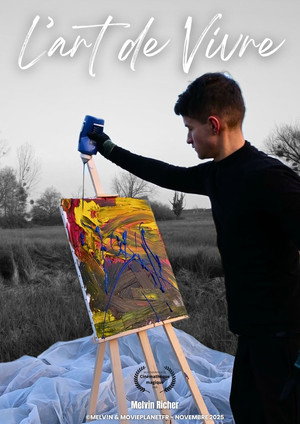
What is the Art of Living ? A few weeks ago, I asked myself this question, as silly in its formality as it is complicated in its complexity. In this video, I'll try to give you my definition and my vision of what the art of living is !
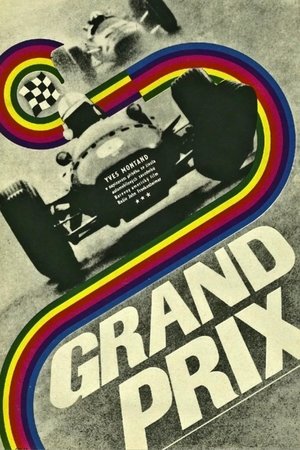
A short making of feature about the 1966 John Frankenheimer movie Grande Prix
Travessia de Toshiko
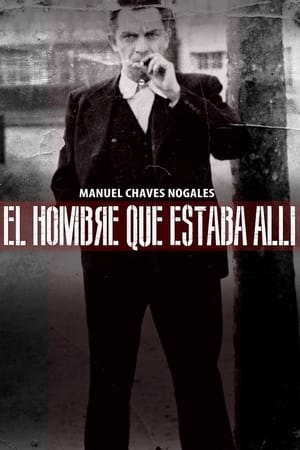
The Spanish journalist Manuel Chaves Nogales (1897-1944) was always there where the news broke out: in the fratricidal Spain of 1936, in Bolshevik Russia, in Fascist Italy, in Nazi Germany, in occupied Paris or in the bombed London of World War II; because his job was to walk, see and tell stories, and thus fight against tyrants, at a time when it was necessary to take sides in order not to be left alone; but he, a man of integrity to the bitter end, never did so.
Many people contributed to the creation of Godzilla, but only one man was truly the father of the monster.
The life of Eiji Tsuburaya, pioneer of Japanese special effects.
A biography and tribute to one of Japan's most prolific composers.
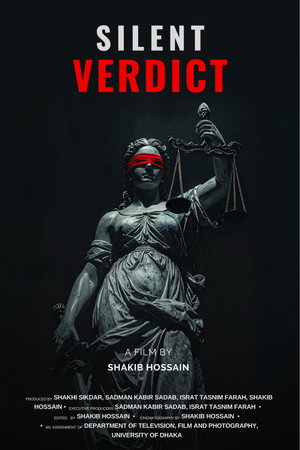
Silent Verdict is a hard-hitting human rights documentary that exposes the injustice surrounding rape cases in Bangladesh. Through powerful re-enactments and survivors’ own testimonies, it revisits five infamous cases that shook the nation yet remain unresolved. Legal experts and doctors reveal the deep loopholes in law and medicine that fail victims, while data and research underscore the scale of the crisis. Balancing stark revelations with a vision for change, Silent Verdict is both an unflinching confrontation of truth and a call to action for justice.
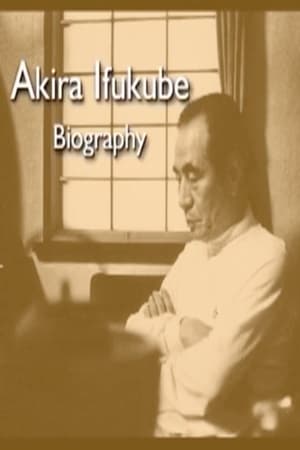
A brief biography of film director Ishiro Honda.
The suit actors of Toho's science fiction and fantasy films faced many challenges in bringing their iconic monsters to life.
How the first Godzilla suit was created and the struggles that came along with it.
One aspect of Japanese fantasy films that often goes overlooked is the significant part that women play in the drama.
On the Campaign Trail with Joan Jett Blakk is an interview with the 1992 presidential hopeful on her run to become "the first queer, Black, drag queen president" (Joan Jett Blakk, 1992). The interview was produced by Glenn Belverio, co-host of The Glennda and Brenda Show, a popular drag activist talk show which ran on Manhattan Cable television from 1990-96. In New York City, outside the Democratic Convention, the pair discuss Ms. Blakk's campaign with interested onlookers, protesters, and friends.
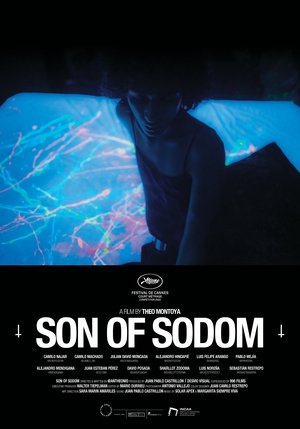
In August 2017, Theo Montoya found a protagonist for a feature film: Camilo Najar. The following week, he died from a heroin overdose. Who was Camilo?
This short documentary explores how the Ilustrada section of the Folha de S. Paulo newspaper had to fight back against censorship from the military dictatorship in Brazil after Lourenço Diaféria, one of its columnists, published an article criticising the patron of the Brazilian army, Duque de Caxias.