JEEPNEY visualizes the richly diverse cultural and social climate of the Philippines through its most popular form of mass transportation: vividly decorated ex-WWII military jeeps. The film follows jeepney artists, drivers, and passengers, whose stories take place amidst nationwide protest against oil price hikes that pressure drivers to work overseas to earn a living, far from their homes for years at a time. Lavishly shot and cut to the rhythm of the streets, JEEPNEY provides an enticing vehicle through which the rippling effects of globalization can be felt.
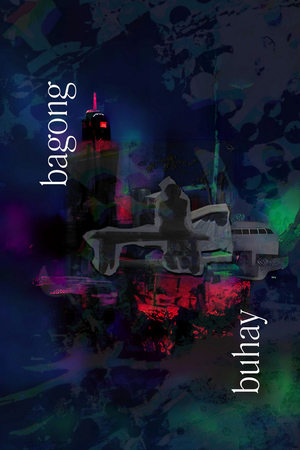
"Bagong Buhay" is a short experimental film that dispels the common belief that packing up and moving to a new place will magically improve one's quality of life. The film challenges this presumption by portraying two contrasting ways of life through objects and locations, encouraging viewers to think critically about the complexities of what makes a better life. In the Philippines, it's believed that relocating to a new area will bring about positive changes in one's existence. True satisfaction is a complex and multifaceted notion, and "Bagong Buhay" encourages us to ponder that relocating to a new place is not a surefire way to attain it.
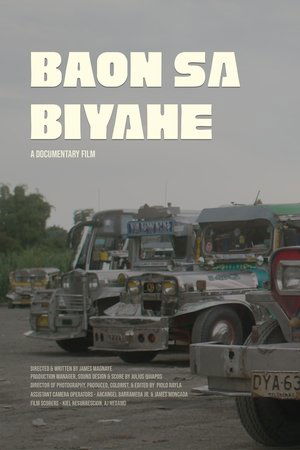
The Jeepney is a common affordable transportation in the Philippines. Made from abandoned American Jeeps during World War II, the Jeepney remains a symbolic figure of the Philippine identity.
A musical docudrama about the brave and outstanding Women of Malolos to whom Jose Rizal addressed his famous letter in Feb 22, 1898.
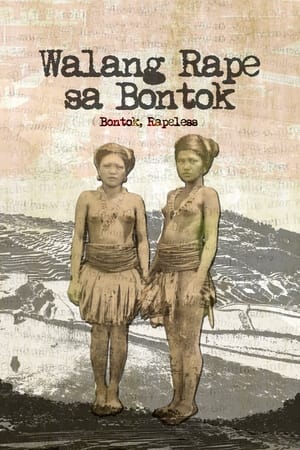
Two Filipina victims of sexual abuse search the truth behind the finding of a renowned anthropologist: that merely a few generations ago, the Bontok Igorot lived in what seems an unthinkable utopia—a rape-less society.
Le dernier tamaraw
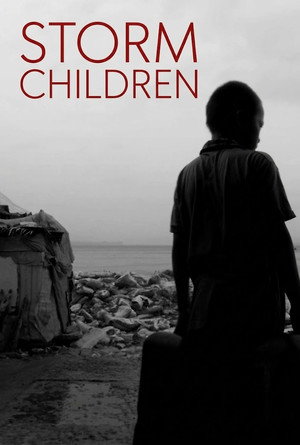
The Philippines is visited by an average of 20~28 strong typhoons and storms every year. It is the most storm-battered country in the world. Last year, Typhoon Haiyan, considered the strongest storm in history, struck the Philipines, leaving in its path apocalyptic devastation.
Filmed in a village of the indigenous Mandaya people, located in a mountainous area of southeastern Mindanao, the country's second largest island, the documentary portrays the struggle of the Communist Party of the Philippines and its armed wing, the New People's Army, for the rights of indigenous Filipino peoples and the environment, which are constantly under threat from landowners, large logging companies and agribusiness.
"Iiyak ang Langit" is an excruciating documentary that exposes the untold pain of the families struggling to survive after the extrajudicial killings in the Philippines. Melinda is at the heart of this story—she lost her son to state violence and now makes a living by producing candles. Her story, together with the candlemakers—unified not only by wax and wick but by grief and survival—turned out to be a reflection of how labor-fueled both mourning and resistance. As they maneuver their hands to turn darkness into light, even the sky seemed to weep with them.
Before 2NE1 achieved global success, Sandara was already a superstar in the Philippines.
The story explores the life of three Badjao brothers, Diether, Rakmel, and Agi, who beg on jeepneys. This documentary captures the difficult realities the siblings face every day in the bustling streets of Manila, where they are often unnoticed and ignored by society. By speaking out and supporting initiatives to alleviate inequity, Angpao, diskarteng Badjao encourages viewers to acknowledge these problems and take action.
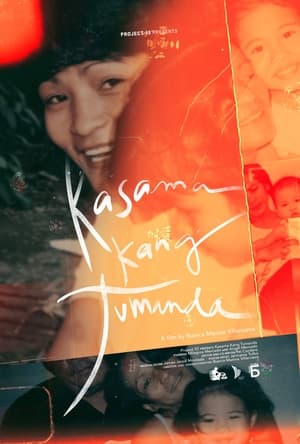
A filmmaker follows her grandparents’ daily life after her chain-smoker and alcoholic grandmother is forced to stop drinking beer for a month.
Hors les murs
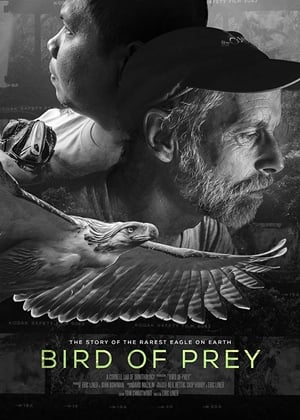
Wildlife cinematographer Neil Rettig embarks on what could be the most challenging assignment of his career: to find and film the rarest eagle on the planet. Bird of Prey explores the vanishing world of the Great Philippine Eagle and reveals the courageous heroes that are determined to save it.
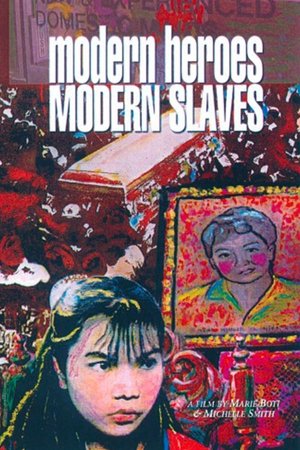
Each day, thousands of people leave countries like the Philippines to seek work abroad. They work as nannies, domestics, clerks and labourers for low wages and with few rights. What little money they earn they send home to their families. This contribution to their country’s economy has prompted the Philippine government to call these contract workers “modern day heroes.” But that’s only half the story.
When Jennifer Laude, a Filipina trans woman, is brutally murdered by a U.S. Marine, three women intimately invested in the case--an activist attorney, a transgender journalist and Jennifer's mother)--galvanize a political uprising, pursuing justice and taking on hardened histories of US imperialism.
In the final decades of the 20th century, the Philippines was a country where low-budget exploitation-film producers were free to make nearly any kind of movie they wanted, any way they pleased. It was a country with extremely lax labor regulations and a very permissive attitude towards cultural expression. As a result, it became a hotbed for the production of cheapie movies. Their history and the genre itself are detailed in this breezy, nostalgic documentary.
In the Philippines, the reefs, coasts and islets of the island of Palawan, the Straits of Balabak and the Sula Sea are amongst the richest in biodiversity on Earth. Some scientists claim that the entire submarine wildlife of the Pacific originated from this area. The coral is magnificent and the protected sites offer an incomparable vision of marine life to scuba divers from all over the world. However, since the end of the Second World War, Philippine fishermen have been fishing with dynamite all over the coral reefs of this marine Wild West. Today, far from diminishing, this form of fishing has taken on industrial dimensions and 50% of the coral has been destroyed, turning this underwater Eden into arid desert…
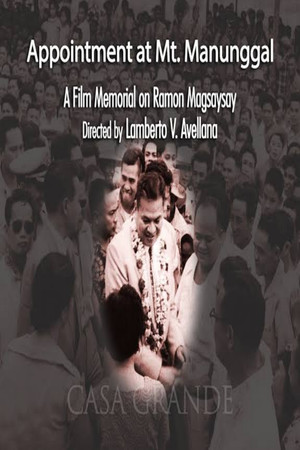
This documentary paints the life of former Philippine President Ramon Magsaysay (1953-1957), from being a simple mechanic, a wartime guerilla leader, and as president of the Philippines, leading up to his death in a plane crash in Mount Manunggal, Cebu.
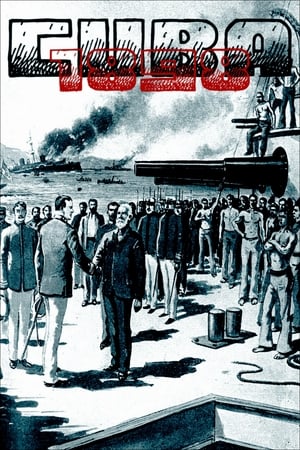
A brief account of the Spanish-American War (1898) and the end of the Spanish Empire in the Caribbean Sea and the Pacific Ocean.