Laurent Duvernay Tardif - LDT : toujours plus loin
Features several of the sport's major stars, past and present, including NCAA record-setting wide receiver Jerry Rice, national championship-winning head coaches Barry Switzer and Nick Saban, Heisman Trophy winner Andre Ware and many more.
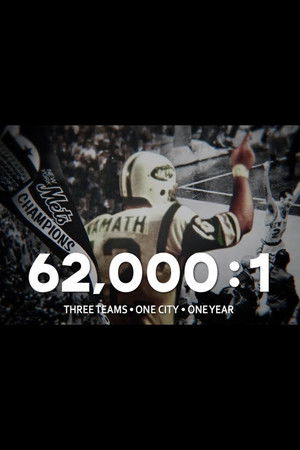
1969, New York City, 3 teams won World Championships, the Jets, the Mets and the Knicks.
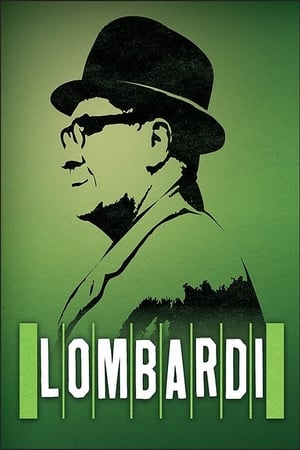
This compelling documentary explores the fascinating career and life of football's most revered coach, Vince Lombardi.
There’s high school football, and then there’s Texas high school football. Oddly enough though, one of the greatest teams in state history has been lost to time—and fate. “What Carter Lost” is the saga of that team, the 1988 Dallas Carter Cowboys. With 21 players who were offered college scholarships and several who went on to the NFL, Carter took on the best that Texas had to offer, including the Odessa Permian team that inspired Friday Night Lights, as well as the worst: in a racially charged state-wide dispute over one player’s algebra grade and Carter’s legitimacy. Somehow, the team won the championship that year. Yet not too long after, the legacy they worked so hard for was thrown away after a group of players made a terrible decision. With personal interviews with players, coaches and family members, as well as glimpses of their lives today, “What Carter Lost” is ultimately about what Carter found.
Steeped in a rich tradition dating back to their inaugural meeting in 1897, this rivalry extends beyond the pursuit of a Big Ten title, and is renewed each year through the pageantry and colliding cultures that distinguish the two schools.
Across Texas, small communities are struggling to keep their schools and towns alive. For one, the bell has tolled as they graduate their last class, ending generations of local pride and continuity. For another, a Cinderella football season promises to keep hope alive
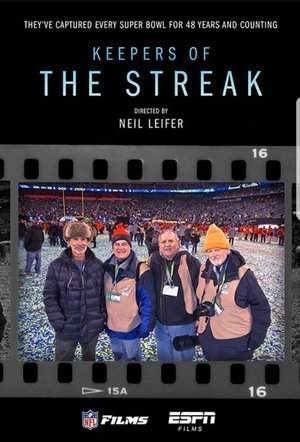
The NFL has staged 48 Super Bowls. Four photographers have taken pictures at every one of them. In KEEPERS OF THE STREAK, director Neil Leifer tells the story of this exclusive club, made up of John Biever, Walter Iooss, Mickey Palmer and Tony Tomsic. With their cameras, they have captured football's biggest game of the year for almost five decades.
An underdog sports documentary about a long suffering high school football program and their turnaround when a former player comes back as the head coach.
Following the Minnesota Vikings’ introduction into the NFL in 1961, a strong defense was established, with Carl Eller, Jim Marshall, Alan Page, and Gary Larsen making up the core four that helped bring the team five NFC Championships, 10 division titles, and 19 Pro Bowl selections.
Short documentary that lends a platform to the players on the Rattlers football team directly to speak on issues at their university they believe are impacting their student athlete experience. This is the story of FAMU football’s faith in their ability to speak out for what is right, and their fight for the respect and support they deserve as elite student athletes at the #1 public HBCU in America.
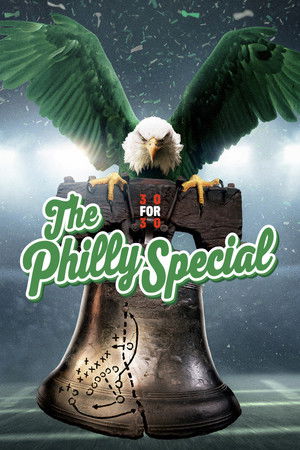
The moment that propelled the Eagles to an upset win over the Patriots for their first Super Bowl title in 2018. ‘The Philly Special’ explores how a bold play call during Super Bowl LII became a cultural symbol that captured the spirit, resilience, and underdog identity of the Philadelphia Eagles and their city.
In 1989, the largest trade in NFL history sent Herschel Walker from Dallas to Minnesota. The Vikings destroyed what appeared to be a budding dynasty by selling the farm for Walker. Dallas restored its place as America's Team, became the team of the 1990's and won three Super Bowls. Most people consider it to be the worst trade ever made. Except for Jimmy Johnson. He'd say it's the best.
John Tuggle, the 1983 NFL draft's Mr. Irrelevant, was anything but irrelevant to legendary coach Bill Parcells. The normally tough and gruff coach will guide us on an emotional journey as he recounts his own rookie season as the head coach of the New York Giants and the year he came to know this very special athlete who made his team against all odds. But only one year later, a rare and unbeatable form of cancer would change both John's and Coach Parcells' destinies leaving behind a lasting impact on teammates and the life of the coach who understands just how fragile life can be.
Profiling Notre Dame kicker Reggie Ho, who played for one season and helped the team go undefeated in 1988. As a walk-on, Ho received no financial support from the school. He was a pure student-athlete who played for the love of the game and for the love of Notre Dame.
The University of Florida football team always seemed to have a heat problem. That tends to happen when you build your football facilities on top of a swamp where the temperature averages over 80 degrees. Players often collapsed and were sent to the infirmary. Enter Dr. Robert Cade — artist, musician, horticulturalist, and, most important, world-renowned kidney specialist at the university. In the 1960s, Cade made sports hydration his mission. After a careful series of tests on some of the players, Cade developed a “magic elixir” that would keep the Gators out of the infirmary and on the field. They called it Gatorade.
Eight-Time Super Bowl champion, Bill Belichick, takes the 'Madden Cruiser' on an unforgettable road trip through Louisiana's football country, celebrating it's rich history and culture.
Explores the history of "The Game," the annual football matchup between bitter rivals Ohio State and Michigan
In some ways, Barry Switzer and Brian Bosworth were made for each other. The Oklahoma coach and the linebacker he recruited to play for him were both out-sized personalities who delighted in thumbing their noses at the establishment. And in their three seasons together (1984-86), the unique father-son dynamic resulted in 31 wins and two Orange Bowl victories as Bosworth was awarded the first two Butkus Awards. But then Bosworth's alter ego: "The Boz," took over both their lives and ultimately destroyed their careers. In "Brian and The Boz," Bosworth looks back on the mistakes he made and passes on the lessons he learned to his son. It's a revealing portrait of a man who had and lost it all, and a trip back to a time when enough just wasn't enough.
From 1981-1984, a small private school in Dallas owned the best record in college football. The Mustangs of Southern Methodist University were riding high on the backs of the vaunted "Pony Express" backfield. But as the middle of the decade approached, the program was coming apart at the seams. Wins became the only thing that mattered as the University increasingly ceded power of the football program to the city's oil barons and real estate tycoons and flagrant and frequent NCAA violations became the norm. In 1987, the school and the sport were rocked, as the NCAA meted out "the death penalty" on a college football program for the first and only time in its history. SMU would be without football for two years, and the fan base would be without an identity for 20 more until the win in the 2009 Hawaii Bowl. This is the story of Dallas in the 1980's and the greed, power, and corruption that spilled from the oil fields onto the football field and all the way to the Governor's Mansion.