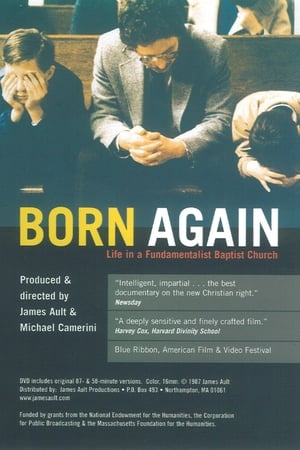
A documentary which takes a dispassionate look at the "born again Christian" phenomenon, by examining the power source of the fundamentalist movement: the small, tightly knit community church. The program looks at an independent Baptist church outside Worcester, Massachusetts--the Shawmut Valley Baptist Church--and shows the impact of the fundamentalist religion on the lives of several members of the congregation.
Rafael Azcona
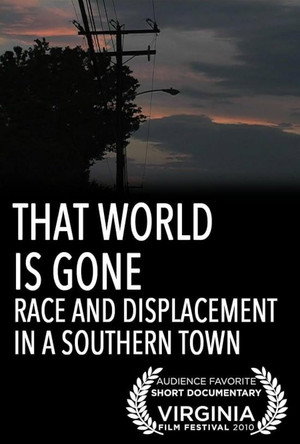
Kathy's family left on a Saturday morning in 1965. The rumble of bulldozers echoed through the neighborhood, and her block was empty. Federally-funded urban renewal had arrived in Charlottesville, scattering dozens of families like Kathy's. The once-vibrant African American community, built by formerly enslaved men and women who had secured a long-denied piece of the American dream, disappeared.
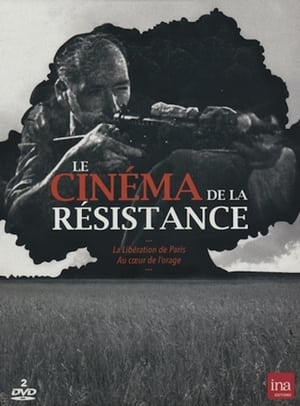
French Resistance's documentary during the liberation of Paris in August 1944.
HOMELESS is a documentary that humanizes unhoused people and explores their backgrounds, dreams and struggles to find the way home. The film aims to raise awareness and funds to end homelessness, which is an ever more urgent global challenge: The United Nations Human Settlements Program estimates that 1.6 billion people live in inadequate housing, and the best available data suggests that more than 100 million people have no housing at all.
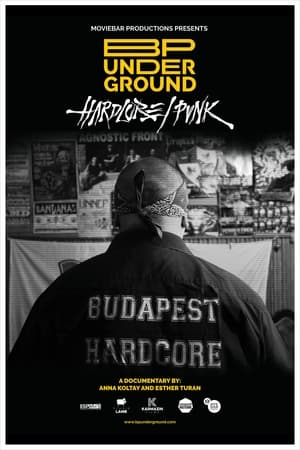
The Underground subcultures in Budapest are an integral part of the diverse and colorful Hungarian culture. The creators of the film - Esther Turan and Anna Koltay - wanted to explore what were the major youth music subcultures in the '90s and 2000s in Budapest. This film is a tribute to the underground subcultures of the city. In these series of films, these grass-roots groups deal with the social impact of their community building power and the role played by Budapest itself in the formation of these groups. The film explores the kind of atmosphere and unwritten rules, what were the dominant places, external signs, and symbols, or who were the central figures and what were the memorable stories. The film guides the viewer from the best bands to the message, from the typical attire to the cult bars. The new generation is a starting point, a complex retrospective of where it originated and why the colorful underground cultural life still characterizes Budapest today.
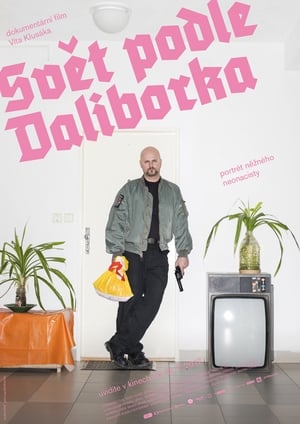
Dalibor K. is an industrial painter, amateur horror maker, the composer of angry songs, painter and a radical neo-Nazi. He is approaching 40, but he is still living with his mother Vera, Aged 63, and is yet to experience the real relationship with a woman. He hates his job, gypsies, Jews, refugees, homosexuals, Merkel, spiders and dentists. He hates his life, but he doesn’t know how to change it.
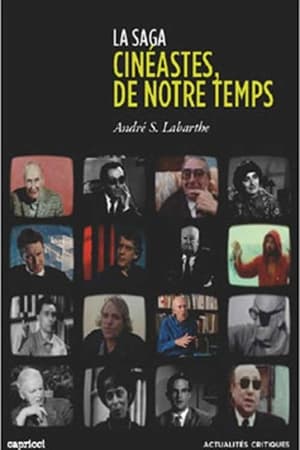
Cinéastes de notre temps : Erich von Stroheim
Cinéastes de notre temps : Jean Vigo
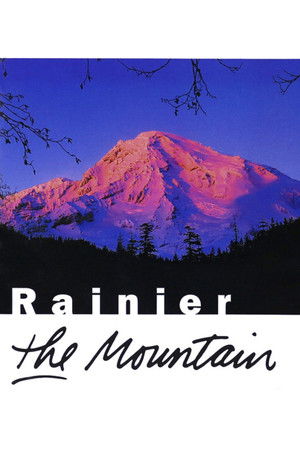
In this retrospective tribute, acclaimed filmmaker Jean Walkinshaw hails the 100th anniversary of Mount Rainier National Park in Washington by talking to those who know it best: the scientists, naturalists, mountain climbers and artists whose lives have been touched by the peak's far-reaching shadow. The result is a harmonious blend of archival material and high-definition footage celebrating an icon of the Pacific Northwest.
Denis Lavant reads long passages from Luis Buñuel's semi-autobiographical "My Last Sigh". From this text, without film excerpts, Laurence Garret travels in the footsteps of Buñuel, from Calanda to Zaragoza, Madrid to Toledo, Spain to Mexico.
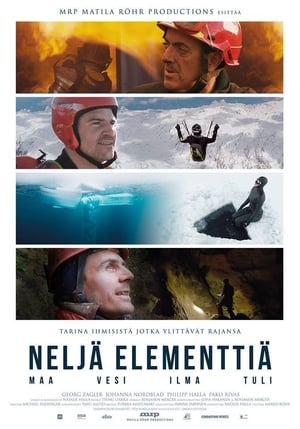
A journey into four classical elements through the four main characters of the film. The main characters in the movie represent each of their own elements.
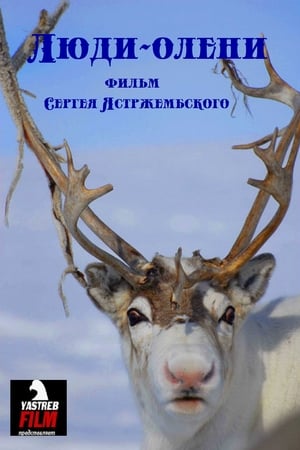
The Chukchi reindeer breeders are peculiar people. They are nomads. Reindeers are their welfare, the purport of life. The mother-reindeer is the main divine being; it protects the Chukchi from misfortune and troubles. Nature is not friendly towards people here. Only Chukchi can survive in Tundra. A rush period for the Chukchi reindeer breeders comes in winter, when the temperature rises up to 50 degrees Celsius at night and in the sunlight of the day it doesn't exceed 40 degrees Celsius in tundra: they should separate young deers from the rest of the herd, the weak from the strong. And this, considering that the herds of the Chukchi reindeer breeders number some thousand heads...
Filmmakers of Our Time: François Truffaut or the Critical Spirit
The first of two documentaries about Ingmar Bergman produced to mark his 70th birthday. Includes behind the scenes "home movies" from Bergman's personal archive, interviews with Bergman recorded over his 40 years in the film industry and passages from his autobiography read by Max von Sydow and Bergman himself.
50 años de... Canciones
Materialista, idealista, cinematógrafo, magnetófono, buen chico y sádico
This riveting music documentary traces the history of Jazz piano legend Oscar Peterson, from his early days as Montreal's teenage Boogie-Woogie sensation through his meteoric rise to international celebrity with Norman Granz and the ground-breaking Jazz at the Philharmonic and beyond. In this award-winning autobiographical portrait, legendary jazz pianist Oscar Peterson narrates his story, from his beginnings in smoke-filled Montreal clubs to hallmark performances with jazz greats. Concert footage includes an unforgettable combo -- Nat King Cole with Jazz at the Philharmonic and the Oscar Peterson Trio Wall reunion. Quincy Jones, Ella Fitzgerald and Dizzy Gillespie are interviewed, among others.
Sombras
What is true and what is false in the hideous stories spread about the controversial figure of the Roman emperor Gaius Julius Caesar Augustus Germanicus (12-41), nicknamed Caligula? Professor Mary Beard explains what is accurate and what is mythical in the historical accounts that portray him as an unbalanced despot. Was he a sadistic tyrant, as Roman historians have told, or perhaps the truth about him was manipulated because of political interests?