Disneynature's international team of filmmakers travel to the mountains of China to find and film the elusive snow leopard on the highest plateau on Earth, while enduring brutal weather and unsettled terrain.
This documentary, the final film directed by Frank Capra, explores America's plans for the future of space exploration. It was produced by the Martin-Marietta Corporation for exhibition in the Hall of Science at the 1964 New York World's Fair.
Whales have long been a profound mystery to us. They live in a world so removed from our own that we can barely imagine their lives. Their environment is different, their senses are different, their relationships are different. How might such almost alien creatures see the world?
For many years lions and hyenas have competed hard for meat. Both control each other, stealing and killing each other. But in this game, both survive and no one prevails.Their destinies are united. This is the story of the ancestral confrontation between the most iconic predators of Africa
Squeeze: African Python
The wolf was almost completely eradicated in Europe over the past few centuries. The species also disappeared from the Netherlands 150 years ago and it was believed that this was forever. Only small populations survived in the large forests of Eastern Europe. In recent decades, not only did the wolf get legal protection, it also started a remarkable comeback. With time this magnificent animal found its way back from Poland through Germany to the Netherlands and Belgium. The carnivore, around which there are many myths and which is very often portrayed as bloodthirsty, welcomed back by many and despised by others. Are wolves really that dangerous to people? This exceptional documentary follows the journey of a young, lone wolf which grows up in eastern Germany and then head westwards on its search for its own territory and a consort to finally settle down in the Netherlands to found there the first permanent wolf pack since the extermination of the species long time ago.
Documentary about the life of explorer Jacques Cousteau.
Documentary about chimps in Gombe.
Caballos
Ewan McGregor narrates a captivating portrait of wild Shetland and traces the course of a breeding season as the animals on these remote islands battle for survival.
The critically important work by renowned naturalist Claudine Andre to save the endangered bonobo apes of the Congo is presented in this visually stunning feature film.
In 200,000 years of existence, man has upset the balance on which the Earth had lived for 4 billion years. Global warming, resource depletion, species extinction: man has endangered his own home. But it is too late to be pessimistic: humanity has barely ten years left to reverse the trend, become aware of its excessive exploitation of the Earth's riches, and change its consumption pattern.
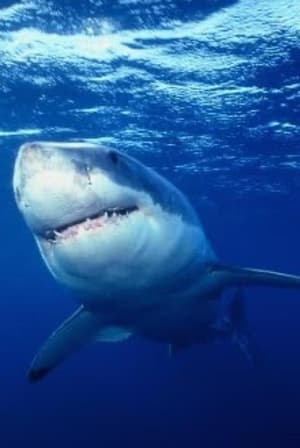
Researchers investigate whether orcas have begun hunting great white sharks off the coast of New Zealand.
Kodiak Island in the Gulf of Alaska is home to the largest bear on earth, the Kodiak Bear. At least 2,500 bears live on the island and the animal is regarded as the world’s biggest land predator, reaching an impressive four meters in height when standing on its hind legs. Film maker Stefan Quinth spent three years filming the Kodiak Bear and the wildlife of Kodiak Island. His film is a dramatic story about bear and salmon, beavers and eagles. But it is also a film about the thrill of meeting the giant bear eye to eye in its natural habitat.
The wolf of British Columbia is on a quest to master water, fishing and swimming. According to several specialists, the wolf is at the first stage of a process that could turn it into a marine mammal. How will its evolution unfold?
A routine drone survey turns deadly when Ryan Johnson, a marine biologist based in South Africa, films a humpback whale being attacked and strategically drowned by a Great white shark. This is a total perspective shift for the creature.
The story of life on our planet by the man who has seen more of the natural world than any other. In more than 90 years, Attenborough has visited every continent on the globe, exploring the wild places of our planet and documenting the living world in all its variety and wonder. Addressing the biggest challenges facing life on our planet, the film offers a powerful message of hope for future generations.
This installment of the series produced by the acclaimed Nature team showcases the grandeur of the Emerald Isle. Going beyond the usual travelogue, the film takes viewers to places they've never been before so they can truly appreciate the natural treasures of the country: the lush plant life; the animal families that call the country home, including peregrine falcons and dolphins; and the magnificent countryside, from the mountains to the bogs.
Humans belong to a group called anthropoids. Gibbons have the most human-like traits among the anthropoids. Gibbons are the only apes capable to sing like humans and communicate through their songs. This film documents an unprecedented attempt to investigate the musicality of multiple species of wild gibbons - siamang, the white-handed gibbon and the javan gibbon - surviving in the South-East Asians habitats. The story of endangered Asian Ape unfolds in this documentary with their songs in various situations.
David Attenborough's entertaining romp through the world of monkeys has a serious side: for when we look at monkeys we can see ourselves. From memory to morality, from 'crying wolf' to politics, monkeys are our basic blueprint. Pygmy marmosets 'farm' tree sap; bearded capuchins in Brazil develop a production line for extracting palm nuts; white-faced capuchins in Costa Rica tenderly nurse the victims of battle; and in the Ethiopian highlands, a deposed gelada baboon has got the blues.