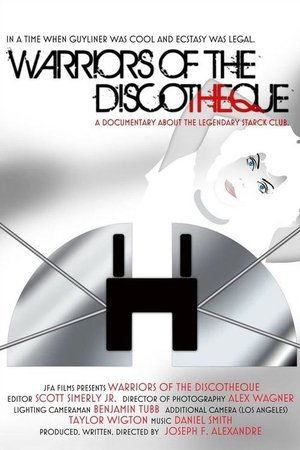
The place is the notorious Starck Club (so called because it was the first major project designed by Philippe Starck in the US.) The Starck Club opened in Dallas in 1984 and not long after hosted the 1984 national Republican Convention. Ironically, it was actually legal to buy MDMA aka ecstasy there, people would put it on their credit cards. The DEA stepped in and made it a category 1 drug on July 1, 1985... In a time when ecstasy was legal & guyliner was cool.
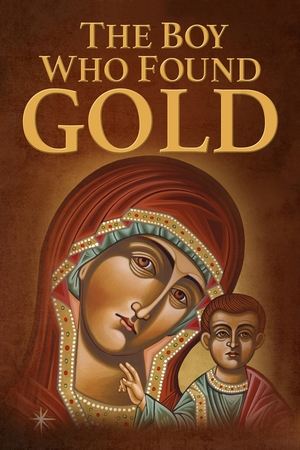
William Hart McNichols is a world renowned artist, heralded by Time magazine as "among the most famous creators of Christian iconic images in the world". As a young Catholic priest from 1983-1990 he was immersed in a life-altering journey working as a chaplain at St. Vincent's AIDS hospice in New York city. It was during this time that he became an early pioneer for LGBT rights within the Catholic church. "The Boy Who Found Gold" is a cinematic journey into the art and spirit of William Hart McNichols. The film follows his colorful life as he crosses paths with presidents, popes, martyrs, and parishioners, finding an insightful lesson with each encounter. McNichols' message as a priest, artist and man speaks to the most powerful element of the human spirit: Mercy.
Two men undertake a thought-provoking journey to parenthood. Not by adoption or surrogacy, but by Frankie, a trans man, carrying their baby. Made with support from NZ on Air.
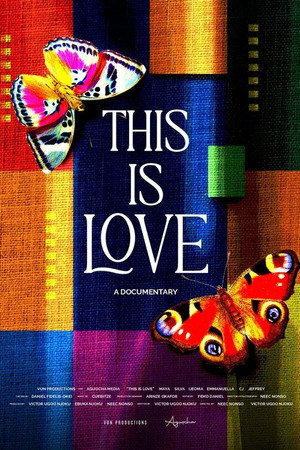
This is Love tells the romance stories of 3 Nigerian LGBTQ+ couples and how they navigate romantic relationships in a conservative and hostile Nigerian environment. It is an attempt to humanize LGBTQ+ people in Nigeria by telling a story of how they find love amidst the risks and struggles. The cast includes a lesbian couple, a gay couple and a couple made up of a transman and a ciswoman. It covered conversations around acceptance, religion, health, the Same-Sex Marriage Prohibition Act (SSMPA), and finding love. 2 out of the 3 couples wore masks and had their voices distorted. Aside from helping to conceal the identity of the cast, the mask and distorted voices are also symbolic of the double life LGBTQ+ Nigerians have to live for their safety and security.
I'll just have cats documentary follows 21-year-old Kay Proctor as she delves into Britain’s evolving views on queer parenthood and questions whether she even wants children herself. Through conversations with queer parents and professionals, Kay confronts complex questions about her future. This award-winning documentary, recognised with multiple Royal Television Society Student Awards, offers a candid exploration of family, identity, and choice in modern Britain.
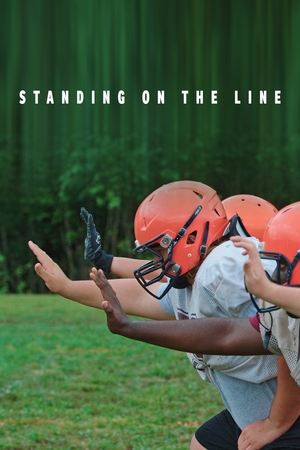
In both amateur and professional sports, being gay remains taboo. Few dare to come out of the closet for fear of being stigmatized, and for many, the pressure to perform is compounded by a further strain: whether or not to affirm their sexual identity. Standing on the Line takes a fresh and often moving look at some of our gay athletes, who share their experiences with the camera. They’ve set out to overcome prejudice in the hopes of changing things for the athletes of tomorrow.
In 1970, an eccentric young stripper named Shelly Baumann loses her leg in a freak parade canon accident, then uses her settlement money to open 'Shelly's Leg' disco - one of the nation's first and most consequential openly gay spaces.
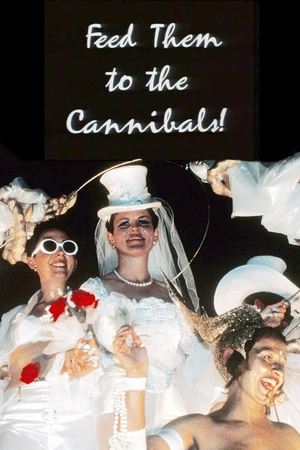
Originally broadcast on ABC's True Stories in 1993, Feed Them to the Cannibals tells the story of Sydney's Gay and Lesbian Mardi Gras. It was the first time cameras were allowed at Sleaze Ball and the Mardi Gras Party.
1977: Grêmio lives a dark period in its history, after losing the last eight Campeonato Gaúcho to Internacional. Then there was a crowd that would shake up the structures and prejudices of the universes of the gaucho football and forever mark its name in history: the Coligay, the first organized football group of supporters formed exclusively by homosexuals.
After 11 strangers unite to help a gay youth escape life-threatening violence in Uganda, the unexpected pandemic and conflicting opinions over his best interests test the limits of their commitment and jeopardize his fresh start in Canada.
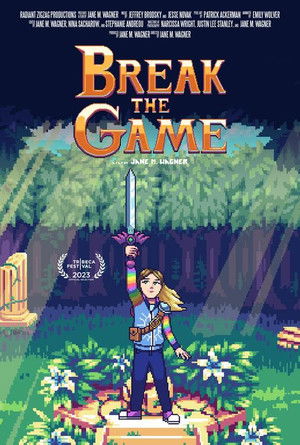
Record-breaking gamer Narcissa Wright grapples with her toxic obsession for attention and her space in the streaming community after coming out as transgender, all while attempting to set a new world record for The Legend of Zelda: Breath of the Wild.
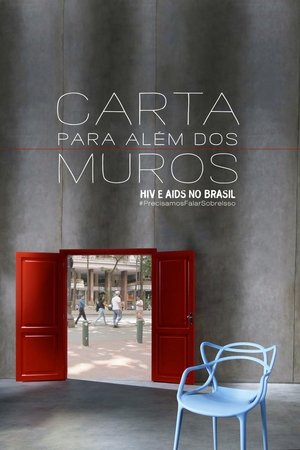
Letter Beyond the Walls reconstructs the trajectory of HIV and AIDS with a focus on Brazil, through interviews with doctors, activists, patients and other actors, in addition to extensive archival material. From the initial panic to awareness campaigns, passing through the stigma imposed on people living with HIV, the documentary shows how society faced this epidemic in its deadliest phase over more than two decades. With this historical approach as its base, the film looks at the way HIV is viewed in today's society, revealing a picture of persistent misinformation and prejudice, which especially affects Brazil’s most historically vulnerable populations.
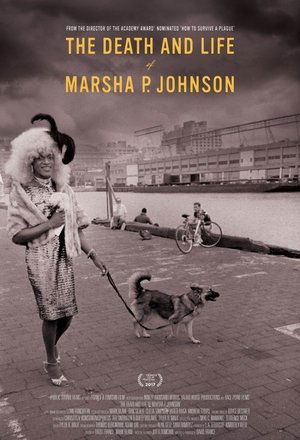
Describing herself as a 'street queen,' Johnson was a legendary fixture in New York City’s gay ghetto and a tireless voice for LGBT pride since the days of Stonewall, who along with fellow trans icon Sylvia Rivera, founded Street Transvestites Action Revolutionaries (S.T.A.R.), a trans activist group based in the heart of NYC’s Greenwich Village. Her death in 1992 was declared a suicide by the NYPD, but friends never accepted that version of events. Structured as a whodunit, with activist Victoria Cruz cast as detective and audience surrogate, The Death and Life of Marsha P. Johnson celebrates the lasting political legacy of Johnson, while seeking to finally solve the mystery of her unexplained death.
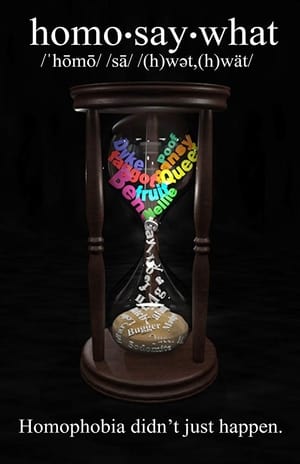
Homophobia didn’t just happen. Orchestrated campaigns by cultural institutions and public figures have systemically instilled anti-LGBTQ prejudice into American culture by shaping public opinion.
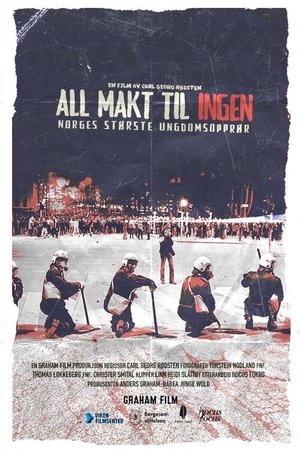
A documentary about political activism, rebellion, squatting, and the do-it-yourself attitude among young people on the eve of the 70s. This is the story of how Blitzhuset came to be. We interviewed those active during the uprising; the young people who were at the forefront, the politicians and the police who were supposed to keep the city clean of the excrements. This is an exciting documentary about an era that has been mystified and lived in the shadows for far too long.
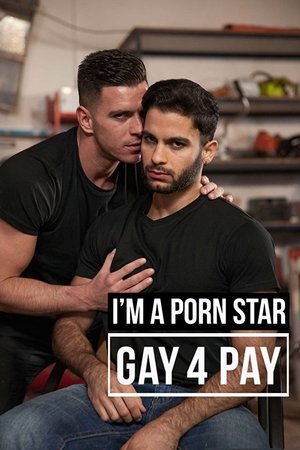
Welcome to the curious, surprising and always outspoken world of straight men who go Gay4Pay. Curiously, there is a disproportionate percentage of men working in gay porn who identify as straight. Why would a straight man do gay porn? What motivates him to try this or make a career of it? Why is there such keen interest and debate into the sexuality and personal lives of these men? And what does it say about us, the viewer that so much of gay porn is dominated by images of straight men?
Trans and queer communities shaped carnival traditions in the Canary Islands, exploring their historical role in developing costumes, performances, and celebrations that define the region's festive identity.
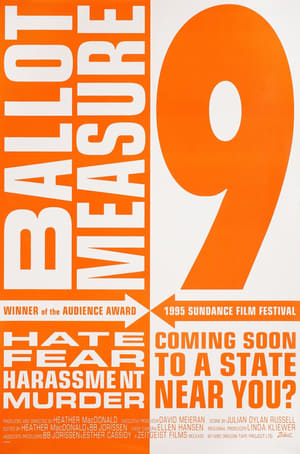
Ballot Measure 9 was an anti-gay amendment proposed to Oregon voters in 1992 by the conservative group, Oregon Citizen's Alliance. This documentary goes behind the scenes of the fight to stop Measure 9. It contains portions of anti-gay videos produced by the Citizen's Alliance as well as news clips and interviews with the people who successfully fought passage of Measure 9.
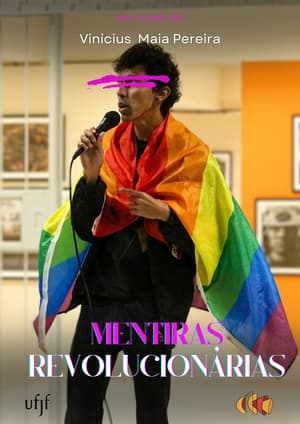
A documentary that explores the conflicts between the fear of family repression and the desire for social change by telling the story of the director who, at the age of 18, creates an LGBTQUIA+ struggle movement without his parents knowing.
A filmmaker captures her wife’s journey of high-risk pregnancy, birth, and early motherhood in this short documentary. Consequently, she discovers her own fear and insecurity surrounding the adventures of parenthood — all while completing the adoption process for her non-biological son, as required by heteronormative North Carolina state law.