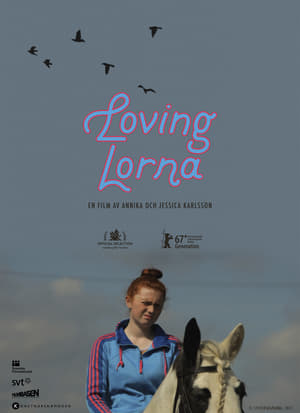
Horses have been part of daily life for generations in the deprived Dublin suburb of Ballymun – and for 17-year-old Lorna and her family too. Her unemployed father finds structure and purpose in daily life by caring for his horses, while her sick mother wistfully remembers the days when she used to turn heads as she galloped through the town. These days it's Lorna who likes to spend all her free time in the stable or riding Bigfoot, her horse.
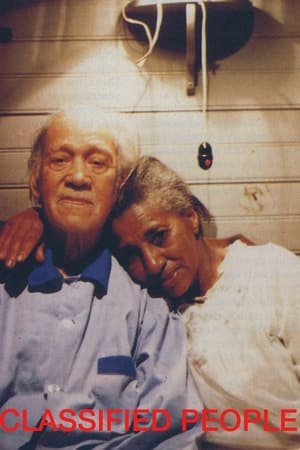
Filmed clandestinely, Zauberman’s extraordinary documentary exposes South Africa’s insidious apartheid policy of “race classification” by focusing on the love affair of Robert and Doris, and unresolvable, moral fissure with Robert’s children and the country. Winner of the Paris Film Festival Grand Prize.
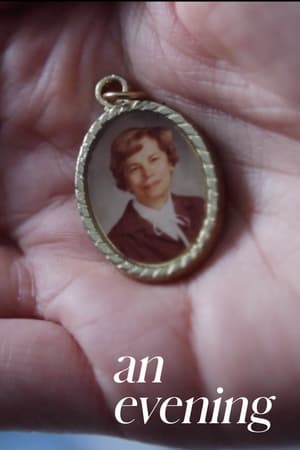
In the minutes that it takes for a day to lose itself to darkness, we see a house that has suddenly become empty. It is the home of Maria, who has recently passed, and who has left her mark in every corner of every room. A portrait of absence is also an attempt to resurrect the dead, perhaps even a moment of magical thinking. The winter outside is well settled, snow accompanies each thought. Based on a poem by Zofia Bohdanowiczowa.
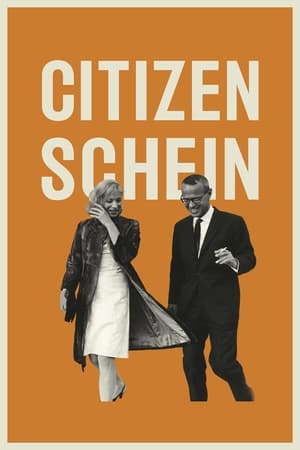
Harry Schein was an anomaly in Swedish cultural society. Equal parts playboy, intellectual, and political visionary, his life story could very well be the foundation of a Hollywood film. Citizen Schein is a film about a refugee who refused to look back, a film about powerful men, and the myths that fuel them.
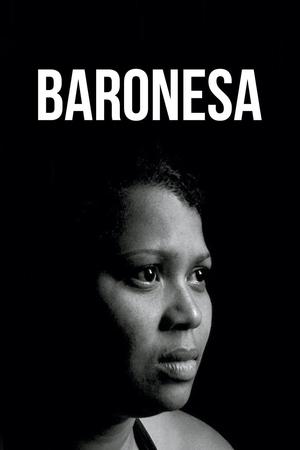
The everyday life of a Belo Horizonte lower class neighborhood.
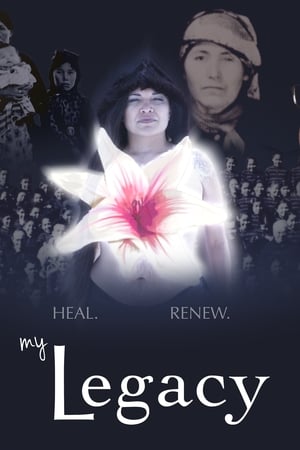
My Legacy follows Helen as she explores the often tenuous relationship between a mother and daughter made more complex by the legacy of residential school.
One is a former police officer, bodyguard and hairdresser. Currently retired, he takes care of his extravagant and almost hundred-year-old illiterate mother. He writes poems and hopes to see them published one day. The other, a declared womanizer, workaholic, and leftist, was imprisoned during the dictatorship, runs a small grocery shop, and controls the life of his young second wife. Both were born in the Uruguayan hinterland during the Second World War, and share the same name as well as the fact that neither has wished to change it. The film is a tragicomic portrait of a country whose cultural diversity, its peculiar history and the character of its inhabitants allow the existence of exceptional and remarkable persons that depict a live picture of Uruguay, with its plurality and contradictions, its small and large history, without departing a single moment from irony or reflection.
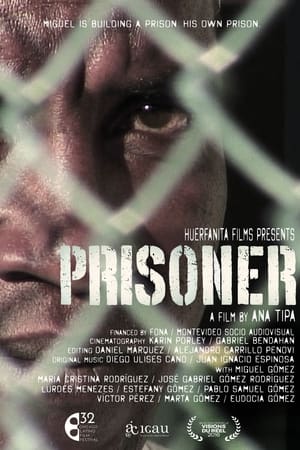
While working at Uruguay's largest prison construction site, Miguel is leading a double life. When he realizes that he has become a prisoner of his own lies, Miguel struggles to find the courage to disclose the truth to his loved ones.
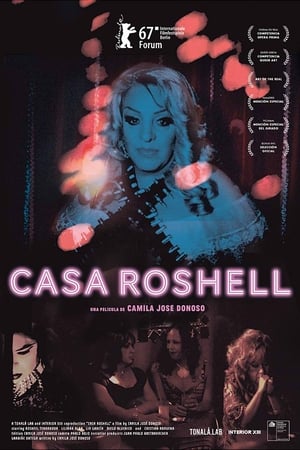
Casa Roshell is a space in Mexico founded by the trans activist Roshell Terranova. A small, intimate room with a stage sets the scene for performances, workshops, and lip-syncs. For its members, Casa Roshell is somewhere where they can assume an alternative gender role and explore their identity.
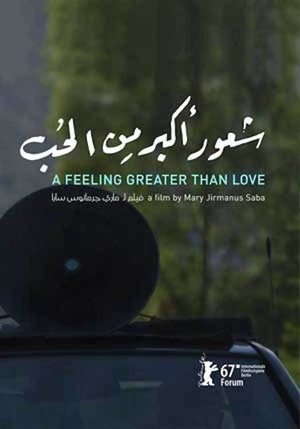
A car with a loudspeaker on its roof is driving through southern Lebanon. The old man at the wheel is calling for people to join a demonstration to support their brothers and sisters who’ve occupied a tobacco company and are now being besieged by the army. His words come from the past, as he’s referring to events from 1973 – events that few remember today. Neither the protests made by the tobacco farmers from the south against the large landholders’ monopoly nor the strike for better working conditions by workers at a Beirut chocolate factory are anchored in the country’s collective memory. All recollection of this social movement was erased by the civil war and society has since been marked by deep sectarian divisions.
The first image is in black and white, upside down and projected into a black box that then becomes the frame. It now hovers like a time capsule near a man’s face. He looks down, listening in on a female guerrilla fighter and translating her words from Fulani. Within the capsule, money is counted and paid out as a new currency, the numbers of the years run backwards in the black box. A 16-mm film glides through the man's hands and is transferred to a laptop screen frame by frame.
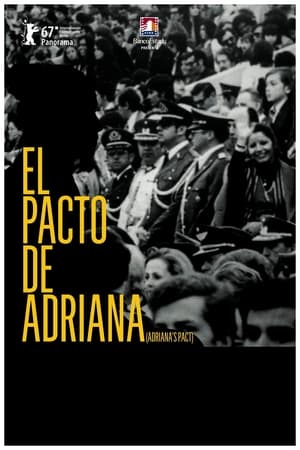
Lissette's favorite aunt Adriana, who lives in Australia, is arrested in 2007 while visiting her family in Chile and accused of having worked for dictator Pinochet's notorious secret police, the DINA, and of having participated in the commission of state crimes. When Adriana denies these accusations, Lissette begins to investigate her story in order to film a documentary about her.
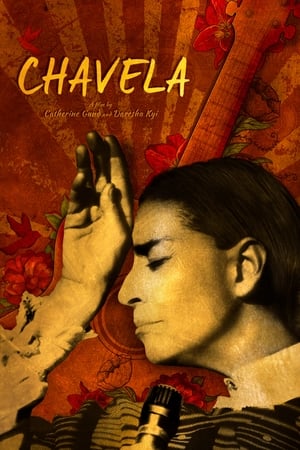
Inspired by an exclusive interview and performance footage of Chavela Vargas shot in 1991 and guided by her unique voice, the film weaves an arresting portrait of a woman who dared to dress, speak, sing, and dream her unique life into being.
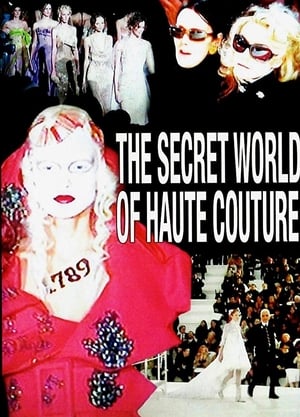
Margy Kinmonth meets millionaire customers and world-famous designers as she explores the anachronistic but little-explained pocket of the fashion industry known as haute couture.
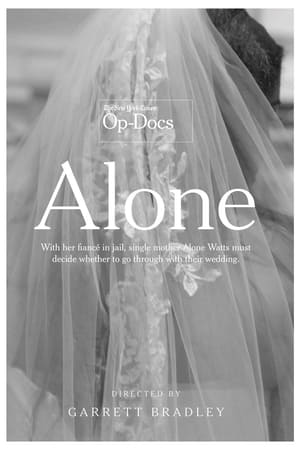
This investigation into the layers of mass incarceration and its shaping of the modern black American family is seen through the eyes of a single mother in New Orleans, Louisiana.
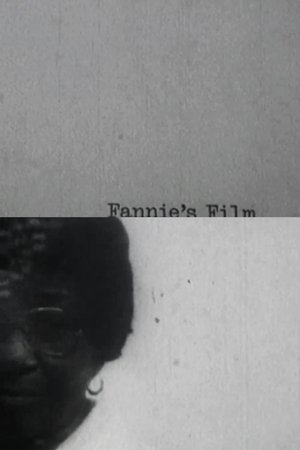
A 65-year-old cleaning woman for a professional dancers' exercise studio performs her job while telling us in voiceover about her life, hopes, goals, and feelings. A challenge to mainstream media's ongoing stereotypes of women of color who earn their living as domestic workers, this seemingly simple documentary achieves a quiet revolution: the expressive portrait of a fully realized individual.
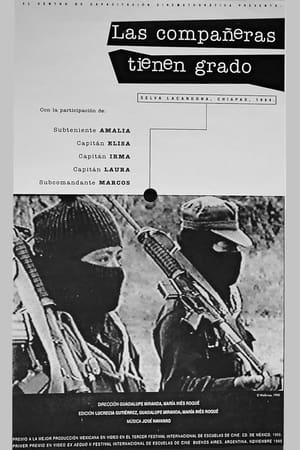
April 1994 in the Lacandona Jungle, Chiapas, México. The Zapatista women talk about the living conditions of Mexican indigenous populations and the life of peasant women. They explain the reasons for their struggle and their uprising.
As her 80th birthday is approaching, Vera Klement, an oil painter in Chicago, adamantly starts yet another new figure painting: a portrait of an artist under oppression, an homage to Russian composer, Dmitri Shostakovitch.
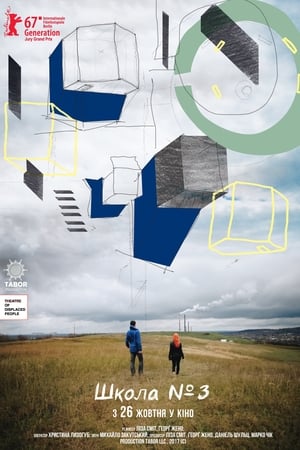
In the familiar surroundings of their everyday lives, they talk about things that matter to them, about experiences that move them, about first love and loss, hopes and fears. 13 adolescents from a school in Donbass which was destroyed during the war in Ukraine, and subsequently rebuilt, share themselves in front of the camera. 13 lives inhabiting an intermediary space, both emotionally and socially.
Tuna are among the top predators in the oceans. But the hunter is also the hunted: many species are overfished. Can we use the riches of the oceans without destroying them?