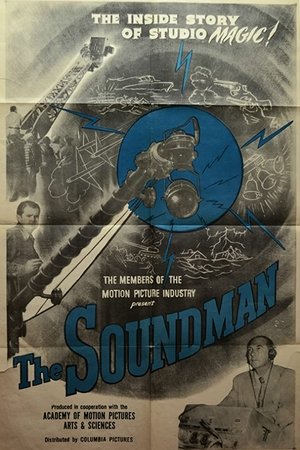
This short on movie sound men starts with a short history of sound in the movies. We then see how the different jobs in the sound department contribute to the finished film. They start with the technicians, who record the original sounds, and end with the re-recording mixer who takes several different tracks and blends them into a single soundtrack. Preserved by the Academy Film Archive in partnership with Library of Congress Motion Picture, Broadcasting, and Recorded Sound Division in 2012.
Bay Area filmmakers and Canyon Cinema co-founders Ben Van Meter and Bruce Conner were invited to L.A. to talk about Underground Film on the Art Linkletter Show.
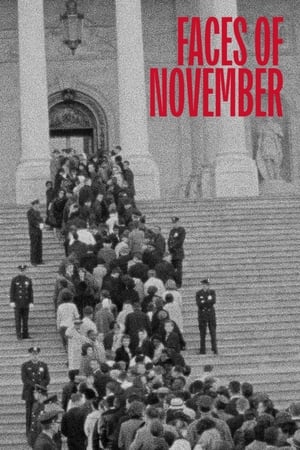
Robert Drew shows the sights and sounds from the funeral of President John F. Kennedy in November, 1963. Preserved by the Academy Film Archive in 2002.
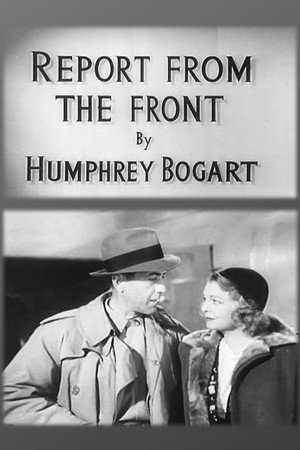
Documentary short detailing the American soldier's part in preserving the fundamental ideals of this nation. Preserved by the Academy Film Archive in 2012.
A description and enactment of the discovery of gold by James Marshall, and the role played by John Sutter. Preserved by the Academy Film Archive.
Possibly the most lucid, vivid, and awesome demonstration of the building up of still images to create moving ones, Pasadena Freeway Stills simply, gracefully and powerfully shows us the process by which we are fooled by the movies. By doing so, Gary Beydler mines a very rich vein of associations and metaphor, without the slightest ostentation. Constructed as a thrilling arc of realization and, in a quite moving way, disappointment, the film is a beautiful articulation of our emotional entanglement with moving images, while simultaneously creating a form in which the illusion of cinema is brought into incredible relief as the film we're watching gradually catches up to the film Gary is holding up to the camera with his hands, one frame at a time. (Mark Toscano) Preserved by the Academy Film Archive in 2008.
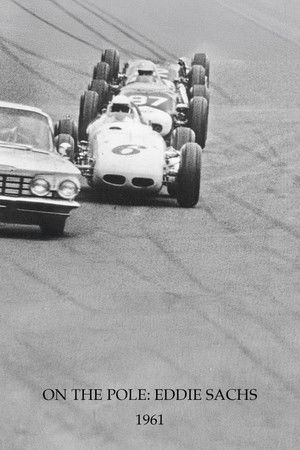
A direct-cinema portrait of Indianapolis 500 driver Eddie Sachs, filmed before, during, and after the 1960 race as he competes from pole position. Using pioneering mobile camera and sound techniques, the film captures the psychological intensity of racing and the personal cost of high-speed competition.
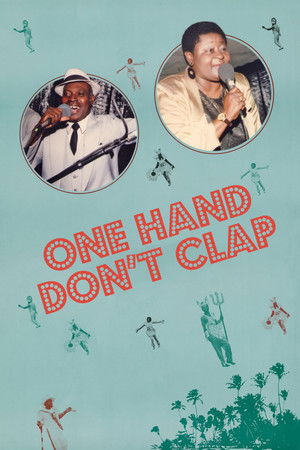
Kavery Kaul’s engaging documentary traces the history of calypso and soca music from their birth in the African-East Indian traditions of Trinidad and Tobago through its worldwide diaspora, including its popularization in the 1950s by Harry Belafonte and the new independent distribution networks that arose to serve the expatriate community in the 1980s.
Documentarian Jon Boorstin follows architect Frank Gehry and his sister, Doreen Gehry Nelson, as they attempt a new method of teaching elementary school children in Los Angeles. With funding from the National Endowment for the Arts, the siblings work together on a pilot program of “design-based learning” that would restructure the typical classroom curriculum, replacing rote math or civics lessons with an imaginary city designed and built entirely by the students themselves. Restored in 2018 by the Academy Film Archive.
A portrait of three Los Angeles area residents who create things with their hands. Angelo Austin decorates wedding cakes; Dean Jeffries designs, manufactures, and paints custom cars; and Pamela Weir-Quiton creates wooden dolls. Restored by the Academy Film Archive in 2016.
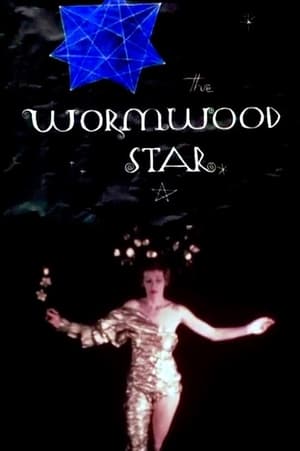
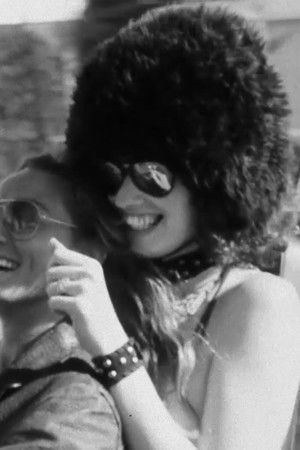
A portrait of artist, actress, poet and occultist Marjorie Cameron, presenting images of her paintings and recitations of her poems.
Highlights the increasingly important roles women occupy on the various fronts of WW II. In England, their more active jobs include ferrying planes from factory to airfield and operating anti-aircraft guns. In Russia, they are fighting on the front lines as well as acting as parachute nurses, army doctors and technicians. In Canada women have joined active service auxiliaries, and thousands labour day and night in factories turning out the tools of war. From the Canada Carries On series.
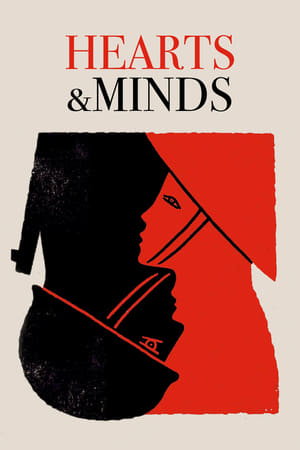
Many times during his presidency, Lyndon B. Johnson said that ultimate victory in the Vietnam War depended upon the U.S. military winning the "hearts and minds" of the Vietnamese people. Filmmaker Peter Davis uses Johnson's phrase in an ironic context in this anti-war documentary, filmed and released while the Vietnam War was still under way, juxtaposing interviews with military figures like U.S. Army Chief of Staff William C. Westmoreland with shocking scenes of violence and brutality.
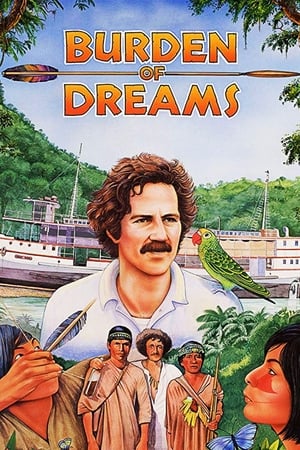
The Amazon rain forest, 1979. The crew of Fitzcarraldo (1982), a film directed by German director Werner Herzog, soon finds itself with problems related to casting, tribal struggles and accidents, among many other setbacks; but nothing compared to dragging a huge steamboat up a mountain, while Herzog embraces the path of a certain madness to make his vision come true.
A bewitching, mysterious work of enveloping beauty, the film’s ominous title and a dedication to Anne Frank deeply inform our reading of its haunting subtext. Preserved by the Academy Film Archive, in partnership with the National Film Preservation Foundation, in 2009.
A truly major work, I Don’t Know observes the relationship between a lesbian and a transgender person who prefers to be identified somewhere in between male and female, in an expression of personal ambiguity suggested by the film’s title. This nonfiction film – an unusual, partly staged work of semi-verité – is the first of Spheeris’s films to fully embrace what would become her characteristic documentary style: probing, intimate, uncompromising. Preserved by the Academy Film Archive in 2014.
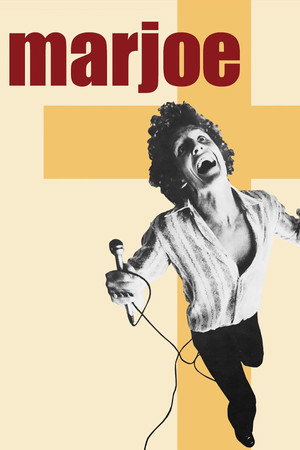
Part documentary, part expose, this film follows one-time child evangelist Marjoe Gortner on the "church tent" Revivalist circuit, commenting on the showmanship of Evangelism and "the religion business", prior to the start of "televangelism". Preserved by the Academy Film Archive in 2005.
NO NO NOOKY TV posits sexuality to be a social construct in a "sex-text" of satiric graphic representation of "dirty pictures." Made on an Amiga Computer and shot in 16mm film, NO NO NOOKY TV confronts the feminist controversy around sexuality with electronic language, pixels and interface. Even the monitor is eroticized in this film/video hybrid that points fun at romance, sexuality, and love in our post-industrial age. Preserved by the Academy Film Archive in 2017.
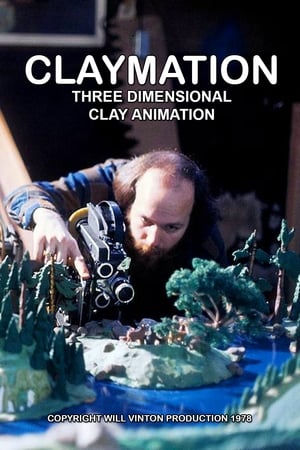
A look inside the Will Vinton Studio, with specializes in stop-motion animations with clay. Preserved by the Academy Film Archive in 2013.
Documentary short preserved by the Academy Film Archive in 2012.