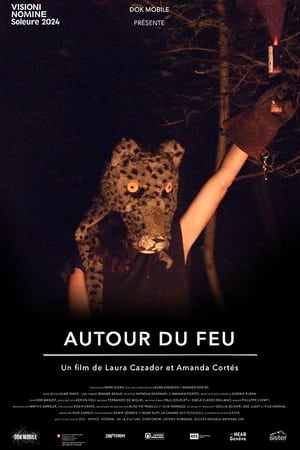
Around a fire in the middle of the forest, two former members of the armed anti-capitalist group La Bande à Fasel meet three young activists from the Mormont ZAD, XR Rébellion and anti-racist groups active in Switzerland. During a night as blank as a page, the five characters reflect on revolt, its forms and its limits, past and present.
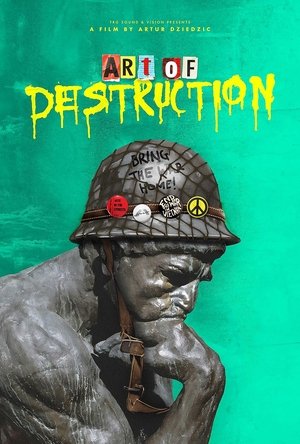
We follow the story of The Thinker bombing at the Cleveland Museum of Art, trying to solve the mystery behind it because no one was ever caught. By following this case, we unravel the whole landscape of Cleveland and the USA in the 60s/70s - student protests, social justice movements, anti-war movements, and radical militant groups. We give a context to the bombing, which is symbolic on so many levels - it's an art piece that randomly became a target for political violence that, by being left unrepaired, became a reminder of the complicated history of the 60s/70s. The Thinker is a silent witness to this fascinating decade, looking down from his pedestal, still thinking about our place in the world as humans.
Dublin, June 2024: thousands of men seeking asylum in Ireland are homeless. Olivia and her group of volunteers are trying to find safe locations where the men can sleep each night, but the government is actively enforcing its new policy against homeless encampments, and the far-right are lurking.
A very personal and dynamic meditation on the current global refugee crisis through the eyes and voices of campaigners, specially children, where past and present establish a dialogue. A reflection on the importance of human rights.
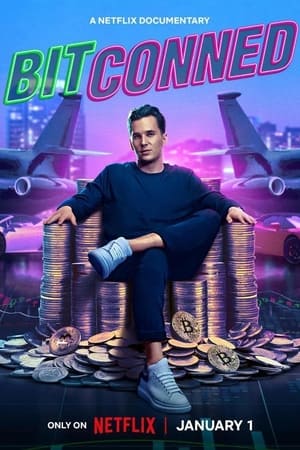
In this true-crime documentary, three guys exploit the freewheeling cryptocurrency market to scam millions from investors and bankroll lavish lifestyles.
Life is about choice. What we eat, what we read, who we elect; every day we make choices that determine how we want to live. But what if these choices are just an illusion? In an era where regulations and red tape rule every industry, where lobby groups and big businesses wield more influence than ever before, our daily choices have become increasingly limited. And with all our options so deliberately handpicked, are we really making a choice at all? Freedom From Choice examines the current state of life and personal choice today. Experts from many different fields offer a frank and startling look at the hidden limitations in our daily lives. Focusing on key areas such as food, medicine, finance, and media, Freedom From Choice provides viewers with a glimpse at the myriad of ways their lives are being dictated and tells us who stands to gain.
At Brandenburg Gate in Berlin, a man jumps over a barrier. Within seconds, five police officers catch him and push him to the ground. He laughs loudly. Evidently, this is exactly what he was aiming for. Dario is disappointed with current climate policies and sees only one solution: strike out and resist. His resistance has already led to several outstanding criminal proceedings against him in Germany. A request from Switzerland comes at just the right moment to prove himself further: the activist group “Klimastreik” is looking for someone who is willing to commit a “crime”.
Les Glucksmann, une histoire de famille
DEBT is the story of a frantic pursuit: the search for the responsible for the televised cry of hunger of Barbara Flores, an eight-year-old Argentinean girl. Buenos Aires, Washington, the IMF, the World Bank and Davos; corruption and the international bureaucratic lack of interest.
Emmy-winning journalist Danny Schechter investigates America's mounting debt crisis in this latest hard-hitting expose. The film reveals the unknown cabal of credit card companies, lobbyists, media conglomerates and the Bush administration itself who have colluded to deregulate the lending industry, ensuring that a culture of credit dependency can flourish. Schechter exposes the hidden financial and political complex that allows the lowest wage earners to indebt themselves so heavily that even house repossessions are commonplace.
This documentary speaks to local activist groups in the music industry and culture scene to find out why people are driven to fight back and speak out on subjects they’re passionate about. With an aim of inspiring the next generation, each activist gives their advice on how you can put a cause you are passionate about in the local scene into action. Hope Lynes spoke to Phil Douglas from LGBTQIA+ organisation Curious Arts; grassroots promoter Hana Harrison from Art Mouse; Tracks' Sarah Wilson, who campaigns for better female representation in the music scene with her project Noisy Daughters; Chantal Herbert from feminist Black and queer-led organisation Sister Shack; and disability activist and musician Ruth Lyon. It’s hoped that this intimate and personal documentary will explore the starting points to beginning your own activism.
In the midst of a profound social conflict, the director, a blind activist based in Canada, returns to her native Chile to follow five activists who embark on a transformative process to dignify their lives.
This documentary film follows farmers and activists fighting together to stop the Indiana Enterprise Center, a mega-sized industrial park planned west of South Bend, Indiana
In 2008, an anonymous idealist published a paper under the pseudonym Satoshi Nakamoto which described a digital currency or online payment system; the system was introduced as open-source software in 2009. Four years later, the value of all bitcoins was in the billions of dollars. Bitcoin uses peer-to-peer technology to operate with no central authority or banks; the management of transactions and the issuance of bitcoins is carried out collectively by the network. Because bitcoin is public by design, it is not owned or controlled by any government or bank.
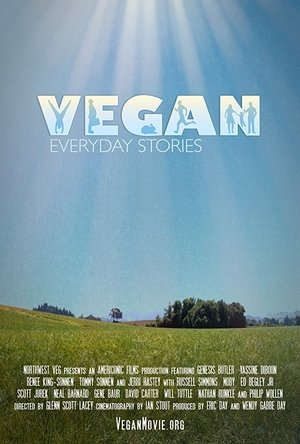
A feature-length documentary that explores the lives of four remarkably different people who share a common thread - they're all vegan. The movie traces the personal journeys of an ultramarathon runner who has overcome addiction to compete in one hundred mile races, a cattle rancher's wife who creates the first cattle ranch turned farmed animal sanctuary in Texas, a food truck owner cooking up knee-buckling plant-based foods, and an 8-year-old girl who convinces her family of six to go vegan.
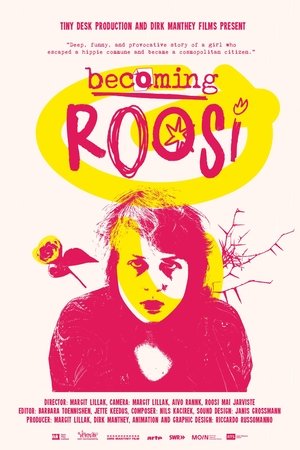
The filmmaker follows a girl, Roosi, for 10 years from age 8-18. She grew up as the child of an activist. She struggles to cope with climate grief and guilt. Roosi is torn between the path of activism and that of creativity and teenage ecstasy, while her complex and often tense relationship with her parents unravels. Struggling to find her place in the world, she navigates uncharted landscapes, revealing unlikely facets of contemporary cosmopolitanism through the eyes of a generation coming of age in an increasingly fluid reality.
This documentary from 1987 looks at the serious malaise that plagued the US manufacturing sector at the time. No longer competitive in the world market, and forced to buy more than it could sell, the US nevertheless continued to bask in the glow of past glory rather than face its immediate predicament. Meanwhile, Japan and other Pacific Rim countries were gaining economic ground, perhaps permanently. This film was part one of the series, Reckoning: The Political Economy of Canada.
This feature documentary is an inquiry into Canada's economic troubles of the 1970 and '80s. The film summarizes the facts at hand, including some pre-NAFTA speculation about economic dependency on the United States. At roughly thirty percent, the Canada of a few decades ago was more foreign-owned than any other country in the world. Still, however, a great and stubborn national pride in our cultural and social idiosyncrasies persists, resulting in the confidence to look elsewhere besides the United States for economic alliances and models. This episode is the fifth and last part of the series Reckoning: The Political Economy of Canada.
This documentary focuses on boom-and-bust economic cycles, most notably that of Alberta oil during the '70s and early '80s. When the bust hit after a drop in world oil prices, those business people who knew how to "ride a tornado" cut their losses and moved on, while others were left devastated. When Newfoundland was faced with a possible oil boom of its own in the mid-'80s, it took the lessons of Alberta to heart. Part 3 of the series, Reckoning: The Political Economy of Canada.
A documentary on the rise and fall of Project Cybersyn, an attempt at a computer-managed centralized economy undertaken in Chile during the presidency of Salvador Allende.