"Jolly Roger" could mean Roger Schawinski. But by definition, a "Jolly Roger" is the classic black pirate flag with skull and crossbones. This documentary tells the unvarnished story of the Swiss radio pirates who emerged in the 1970s. The focus is on Radio 24 in its wild years, when Schawinski's team broadcast from Italy, with the strongest FM station in the world at the time, straight down from Pizzo Groppera, 130 kilometers all the way to the Zurich area. Supported by numerous original documents from private filmmakers and from the SRG archives, the viewer relives the absurd radio war between David and Goliath that lasted almost four years, 24 years after this war between the radio pirates and the state power began on November 13, 1979. The many known and unknown fighters, who rallied behind their Radio Winkelried Schawinski in 1979 to help usher Switzerland into a new media age, remember the good and bad times, the demonstrations and the numerous threatened and actual closures.
This documentary is about as new as you can get! With an exuberance that simply leaps from the screen, this tasty piece documents the long awaited comeback of Perth punk rock luminaries, Kerb. With relentless drive Steve Browne, the band’s ever optimistic front man, is determined to get the boys back together after breaking up in 1999. Anyone who’s played in a band would know how difficult it is sometimes to get the group together just for a regular rehearsal let alone recording sessions when the band is spread around the world. As you’d expect, the sailing isn’t quite a smooth as the idea and the band lurches from one issue to the next, not in the least because of Steve’s constant spur of the moment decision making processes. This fly on the wall film is a cracker from start to finish as it pops and fizzes along its erratic route that’ll have you in some way admiring the gumption, ambition and innocence in what it takes to get the band back together.
In 2020 the Hungarian government announced the change of ownership at nine state universities in order to make them maintained by foundations. The so-called “restructuring” comprised the imposition of a board of trustees over the universities, the members of which being loyal supporters of the government holding stable positions in its economic halo. Only one of the nine institutions protested against the forced political takeover of the University of Theatre and Film Arts (SZFE). Our film presents one of the stories of the university blockade.
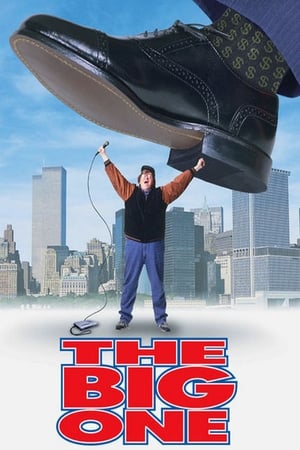
The Big One is an investigative documentary from director Michael Moore who goes around the country asking why big American corporations produce their product abroad where labor is cheaper while so many Americans are unemployed, losing their jobs, and would happily be hired by such companies as Nike.
A compelling personal journey with David Stratton, as he relates the fascinating development of our cinema history. David guides us from his boyhood cinema experience of Australia in England, where he saw the first images of this strange and exotic landscape via the medium of film, to his migration to Australia as a ‘ten pound pom’ in 1963 and onto his present day reflections on the iconic themes that run through our cinematic legacy. All of this reflects a passionate engagement in a uniquely Australian medium. Parallel and at the heart of the series is the story of an industry whose growing pains David has witnessed over a lifetime. Alongside David, the protagonists of this history are the giants of Australian cinema – both behind the camera and in front of it.
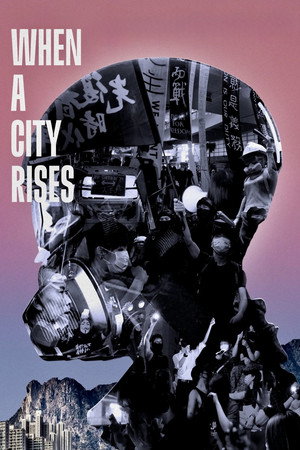
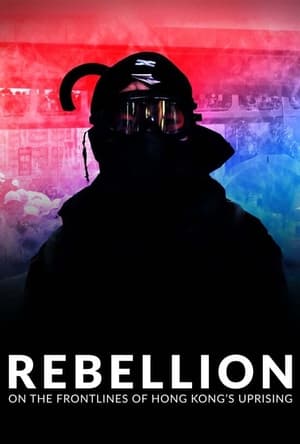
Behind the gas masks of Hong Kong’s democracy movement, the often very young activists are just as diverse as the youths of the rest of the world. But they share a demand for democracy and freedom. They have the will and the courage to fight – and they can see that things are going in the wrong direction in the small island city, which officially has autonomy under China but is now tightening its grip and demanding that ‘troublemakers’ be put away or silenced. Amid the violent protests, we meet a 21-year-old student, a teenage couple and a new father.
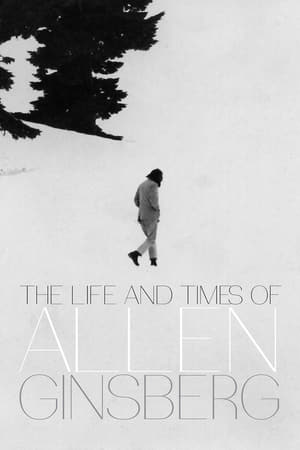
Visionary, radical, spiritual seeker, renowned poet, founding member of a major literary movement, champion of human rights, Buddhist, political activist and teacher. Extensive archival footage, interviews, and home movies cover Allen Ginsberg's life, activism, and influence on American culture through the Beat era, the 1960s, and beyond.
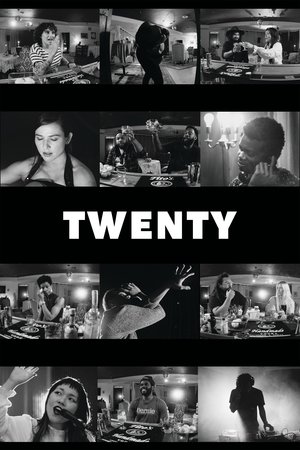
Three college students start a social experiment to prove that reality changes according to the words we use to describe it. Through research, activist actions, and artistic interventions, they analyze the importance of language in the way we understand the world. The documentary includes analysis from more than 20 international experts and leaders in the fields of political communication and information.
Filmmaker Warwick Thornton investigates our relationship to the Southern Cross, in this fun and thought provoking ride through Australia's cultural and political landscape.
A documentary film about Comanche activist LaDonna Harris, who led an extensive life of Native political and social activism, and is now passing on her traditional cultural and leadership values to a new generation of emerging Indigenous leaders.
On the 57th anniversary of Martin Luther King Jr.'s "I Have a Dream" speech, activists joined at the Lincoln Memorial for the 2020 March on Washington event.
Migrating by sea from Holland as an eight-year-old, Dirk de Bruyn went on to be a doyen of Australian experimental cinema. But as this intimate film reveals, his work is suffused with the trauma of migration, and the struggle to recognise himself as a ‘new Australian'. In conversation with documentarian Steven McIntyre, Dirk guides us through more than 40 years of his filmmaking: the early years exploring technique and technology, a subsequent phase of unflinching self-examination brought on by upheaval and overseas travel, and more recent projects where he attempts a fusion of personal, cultural, and historical identity. What emerges is an inspiring, rugged, and at times poignant portrait of an artist committed to self-expression and self-discovery through the medium of film.
British artist, academic, musician and activist Bob and Roberta Smith has been waging slightly odd political protests for years, in this documentary he investigates the age of activism and discovers what people are protesting about.
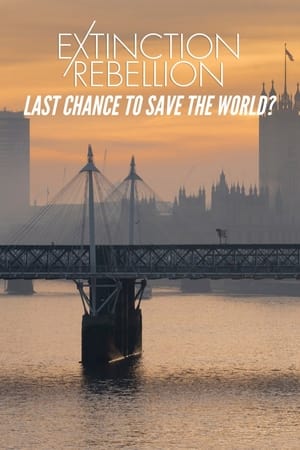
A huge new global protest movement is changing public attitudes to climate change. Reporter Ben Zand gains access to the most high-profile activist group, Extinction Rebellion.
As the 'one country two systems' policy in Hong Kong has slowly eroded, resentment among the territory's citizens has steadily grown. What began as a series of spontaneous protests against an extradition law in March 2019 has now escalated in to a full-blown popular uprising that shows no signs of abating. ABC Four Corners reports from the frontline of the action, capturing extraordinary footage of the growing tension and violence.
Just after midnight on 10 March 1945, the US launched an air-based attack on eastern Tokyo; continuing until morning, the raid left more than 100,000 people dead and a quarter of the city eradicated. Unlike their loved ones, Hiroshi Hoshino, Michiko Kiyooka and Minoru Tsukiyama managed to emerge from the bombings. Now in their twilight years, they wish for nothing more than recognition and reparations for those who, like them, had been indelibly harmed by the war – but the Japanese government and even their fellow citizens seem disinclined to acknowledge the past.
Filmed during the 2016 Standing Rock protests in South Dakota, Sky Hopinka's Dislocation Blues offers a portrait of the movement and its water protectors, refuting grand narratives and myth-making in favour of individual testimonials.
Documentary Chronicling the making of Artists United Against Apartheid “Sun City”
An innovative and charismatic influencer is suddenly exiled from her community of creative partners and colleagues when she states an opinion that she did not know was “unacceptable” in their eyes.
Why does the Mexican government consider the feminist movement a bigger threat than most drug cartels? The short documentary 'SANGRE VIOLENTA / SANGRE VIOLETA' interweaves three narratives, illuminating the motivations behind their activism in Mexico. These stories include a radical feminist collective, an inspiring survivor of an acid attack, and a grieving father who tragically lost his seven-year-old daughter to femicide.