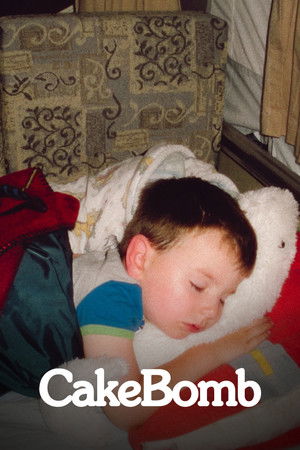
A family must change their way of life when they discover their young child has an invisible medical condition that society has overlooked. 18 years ago, the Couroux Family’s youngest son, James, was diagnosed with Celiac Disease (CD), forcing them to change their way of life. His parents, Daniel and Patricia, found themselves working hard to find the best options for James. Meanwhile, James struggled to cope with the mental and psychological effects of his diagnosis, revealing the darker side of CD. With support from expert opinions, Cake-Bomb is a film that aims to explore what it is like to raise a child with CD, as well as what it is like to be that child.
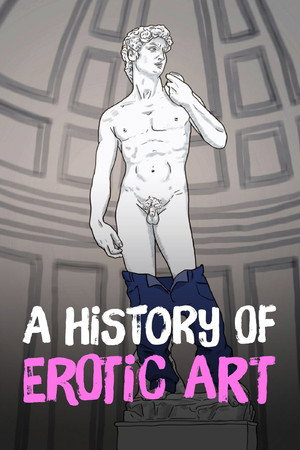
The people of Antiquity had little problem with nudity and would not find graphic depictions of sexual acts as morally suspect or obscene. But Christianity changed perspectives, bringing in notions of shame and the negation of the body. This documentary looks at the erotic in art over the last two thousand years.
Being mother is the most natural thing in the world. Or so it seems. Yet the demands on women with children have rarely been as overloaded and contradictory as they are in today’s Western world. Promises of happiness are often followed by disadvantages, excessive demands and feelings of guilt. The mother has become an artificially glorified ideal, which nevertheless is often legitimized by the „nature of the woman“. We live in a time when three people could claim to be the same child’s mother: egg donors give their genes to beget children, surrogate mothers deliver babies which they give away immediately after birth, and men raise children by themselves – without a woman at their side. Hence the question arises: What makes a human being a real mother?
What happens when your child comes out to you? In this feature documentary, parents of lesbian, gay, bisexual and trans-gender individuals in Turkey intimately share their experiences with the viewer, as they redefine what it means to be parents in this conservative society.
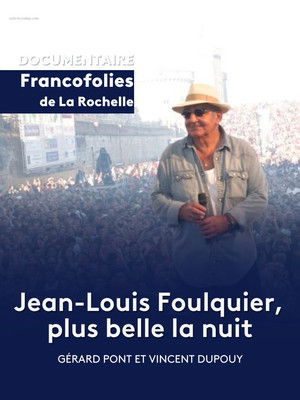
A look back at the life and career of Jean-Louis Foulquier (1943-2013), with testimonials from those who crossed his path and were accustomed to his nocturnal escapades.
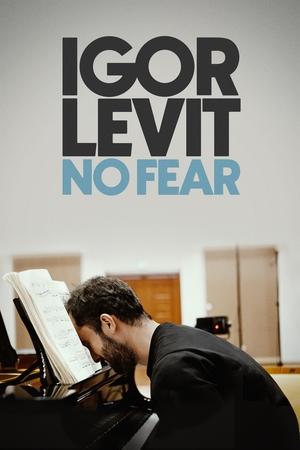
Follows the artist over two years as he explores his „life after Beethoven“, as he searches for his next challenge, his identity as an artist.
“Balance of Life” is a film about life’s and human kinds’ fight to find the balance between our own evolving life style and the nature of the planet we inhabit. The human race is drifting further and further away from its real roots and from what being a human is really about. The speed of development has increased to a state where humans have a hard time keeping up. We find ourselves in a situation where both our own and the planets’ wellbeing is severely threatened. As a last resort human is relying on faith to find the balance. Is faith the last defense of man or is this world guided by forces greater than us? Is this force God, evolution or just the mere sum of coincidences that formed the universe, the natural order and laws of physics?’ Watch it here (https://vimeo.com/51203265)
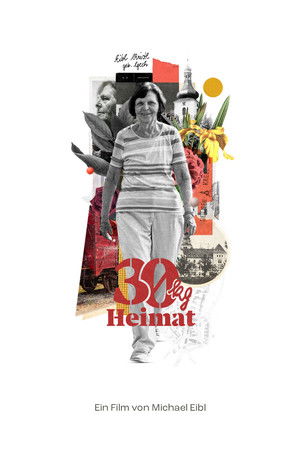
30 Kilo Heimat
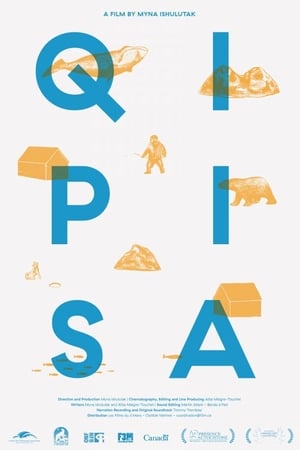
The director goes back to her roots in Pangnirtung, amongst her family and community. It leads her to another journey: to Qipisa, the outpost camp from where they were uprooted.
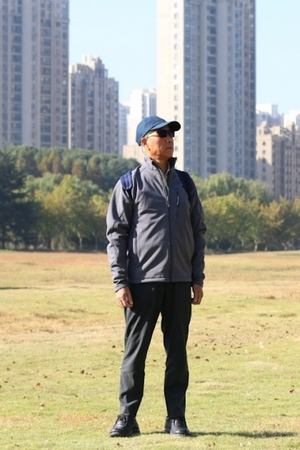
Mr. Lin is a happily retired man who spends his time keeping company with his toddling grandson, walking his dog, and playing golf with his in-laws. Recently, he has been obsessed with houses with river views. In Lin's city of demolitions and reconstructions, money-making investors buy and sell houses at unaffordable prices. Above the skyline of Taipei, will the boundaries between daydreams and reality ever blur?
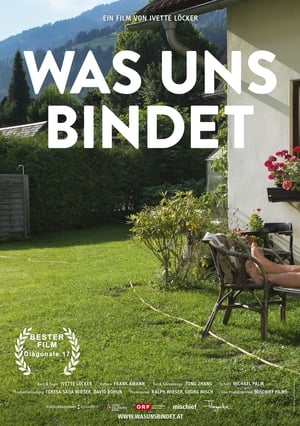
A documentary about the parents of director Ivette Löcker, who have been living apart in their shared home for 20 years.
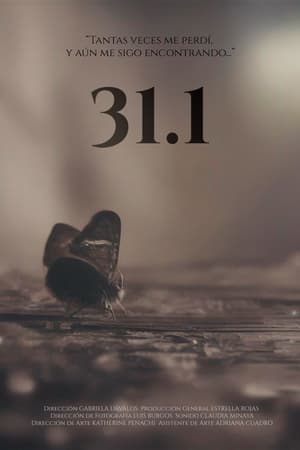
After facing several years of hardships, Gabriela, the director and protagonist of this short documentary, is involuntarily relocated by her family to a rehabilitation center for three months. During this time, she encounters a series of prohibitions that result in complete isolation from society, surrounded by individuals grappling with severe mental health issues. Four years after her release, she embarks on an introspective journey to definitively close that chapter of her life. This poignant documentary immerses us in Gabriela's courageous odyssey, offering an intimate look at her struggle for self-reconciliation and familial understanding. Through powerful imagery and sincere testimonials, the short film invites the audience to contemplate human resilience and the pursuit of forgiveness.
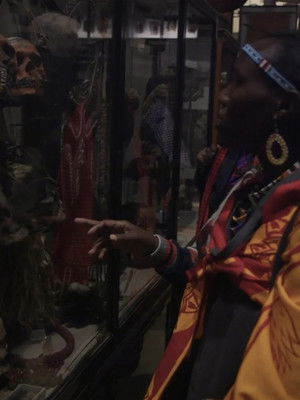
Decolonising the Curatorial Process is a forty-minute documentary which explores decolonial strategies in an academic and curatorial context. The film features academics, activists and practitioners, and contains case studies of institutions that are deploying critical, self-reflective forms of curatorial practice. The Museum of London Docklands exhibition on slavery and the sugar industry is examined as an example of how an institution can decolonise the curatorial process, utilise the work of artists in a museum context, and critically examine East London's imperial history. The Pitt Rivers museum in Oxford, who are working with Maasai activists from Kenya and Tanzania on a project centred on repatriating the museum's collection of sacred Maasai artefacts, also features in the film.
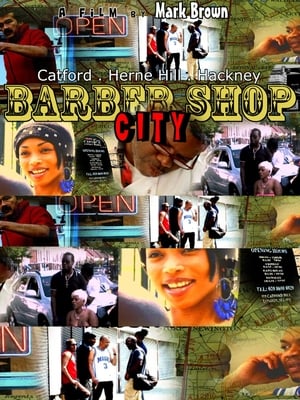
A documentary revealing an observation on three barbershops throughout the course of one summer's day in the city of London - Hackney, Herne Hill, and Catford.
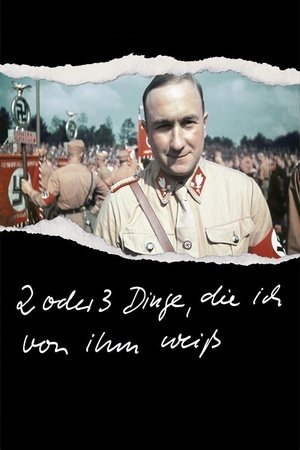
What would your family reminiscences about dad sound like if he had been an early supporter of Hitler’s, a leader of the notorious SA and the Third Reich’s minister in charge of Slovakia, including its Final Solution? Executed as a war criminal in 1947, Hanns Ludin left behind a grieving widow and six young children, the youngest of whom became a filmmaker. It's a fascinating, maddening, sometimes even humorous look at what the director calls "a typical German story." (Film Forum)
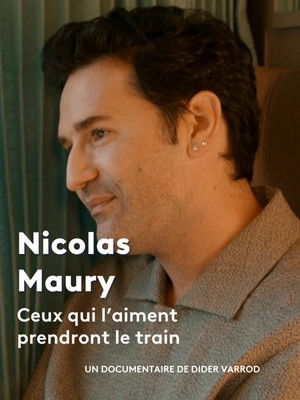
Between the nostalgia of resurfacing roots and the desire to venture into song to experience a rebirth, Nicolas Maury reveals himself unguarded before Didier Varrod, with a deeply moving sincerity. Nicolas Maury released his first album, La porcelaine de Limoges, in January 2023—a new experience for this unique, demanding, and multifaceted actor. It is an opportunity to paint an intimate portrait of him through an extended interview on a train between Paris and Limoges. In this specific setting, which was also that of his first (silent) film role with Patrice Chéreau in Those Who Love Me Can Take the Train, Nicolas discovers archives and hears from close acquaintances who speak about him. A documentary film, like a kind of initiation rite, it moves back and forth between memories of France and childhood, and his condition as a man and artist today, taking on a new identity through music.
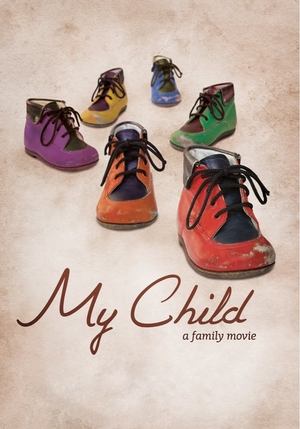
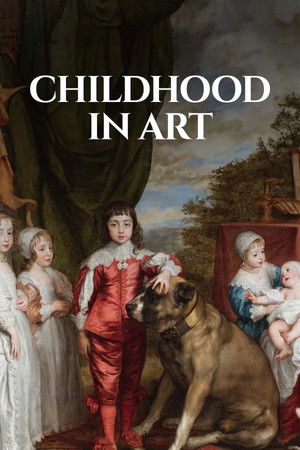
How have the changing views on children been reflected in their representation in art? From Baby Jesus to the first photographic portraits, an exploration of six centuries of art history through the prism of childhood.
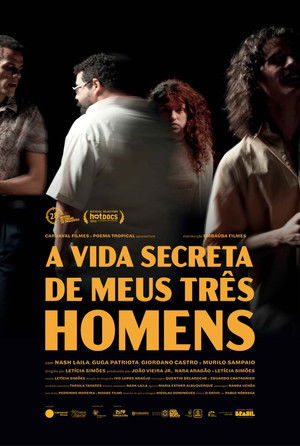
Three men from the past cross into the present to reveal the invisible marks of Brazilian history. Between memory, fantasy, and poetry, The Secret Life of My Three Men proposes a reckoning with the violence that shaped us and the possibility of another future.
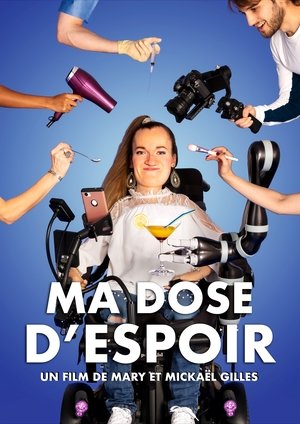
Ma dose d'espoir
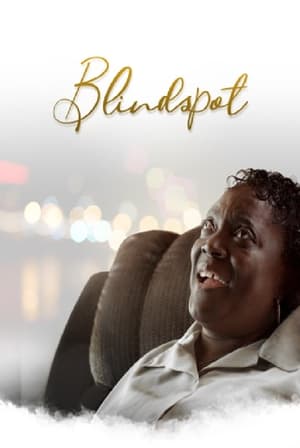
A brief glimpse through the life of Granny Lue. A woman of faith, fearlessness, and fierce energy, she never allowed her disability to determine her ability to live.