World War II propaganda short which focuses on the dangers of inadvertent dispersal of military information.
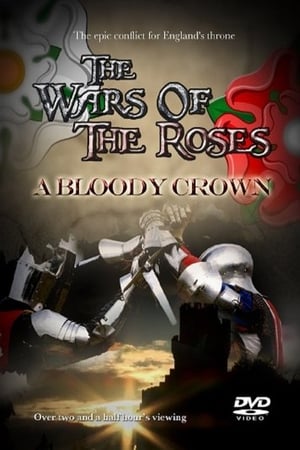
Using historically-accurate, battle-filled re-enactments and interviews with expert historians and noted authors, this two-part documentary series brings to vivid life the captivating true stories behind Britain's bloody civil wars.
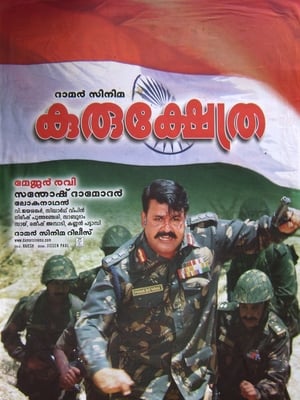
During the Kargil War of 1999, an Indian army colonel wages war against the army of Pakistan as retaliation for the murder of his country's soldiers.
An experimental documentary that explores Saudi Arabia's relationship with the U.S. and the role this has played in the war in Afghanistan.
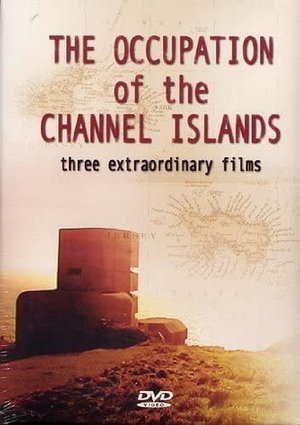
In 1940 the Channel Islands became the only part of Britain to fall under Nazi rule. Now in this film Islanders speak from the heart about one of the most extraordinary periods in our history. Reliving in their own words the horror of the first air raids, the shock of occupation and the islands' gradual five year long decent into privation and starvation before experiencing the capitulation of the German forces and the joy of liberation.
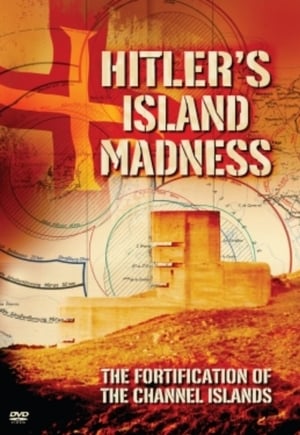
As soon as Hitler's forces occupied the Channel Islands in 1940 he ordered a series of fortifications to defend the only British territory he ever conquered. The problem was he never stopped - pouring men, concrete and weapons into the islands. By 1944 his officers talked of the Fuehrer's inselwahn - his 'island madness' and the Channel Islands had become the most fortified place on earth.
In 1940, carried on a wave of rumour and panic, thirty thousand Channel Islanders fled their homes, their livelihoods and the islands for five long years in exile. Arriving in England with just one small case and only twenty pounds in cash, they were sent by rail across the country from Oldham to Glasgow. Children separated from parents, all cast adrift in an alien culture. Homeless and jobless, the adventures that befell them helped forge friendships the length and breadth of Great Britain which survive to this day. This is their story.
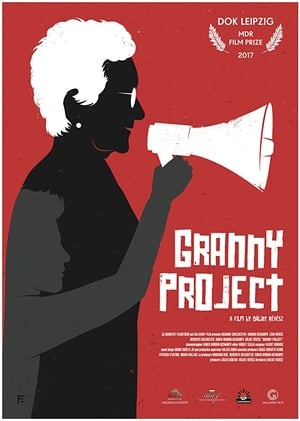
Three charming 20-something grandsons take a unique journey with their grannies to discover their historic and personal legacies through stories from the Second World War. Three grandsons embark an anarchic journey into the past – a complex road movie about intergenerational dialogue in Great Britain, Germany and Hungary. Granny Project is a seven-year-long investigation of three young men coming to terms with their heritage through the extraordinary lives of their grandmothers: an English spy, a dancer from Nazi Germany and a Hungarian communist Holocaust survivor. The film deals with classic values and taboo-like historical topics, and the method used is equally important as it gives an insight to the zeitgeist of the young today.
In 1941 Hitler deported over 2000 British men, women and children from the Channel Islands to the heart of Nazi Germany. It was a terrifying journey into the unknown and some killed themselves rather than go. Others had just hours to pack one bag, destroy their pets and leave. However, the initial horror of the camps and the struggle to survive in the primitive conditions was replaced with a determination not just to survive, but to thrive, as Hitler's crime created one of the most bizarre episodes of the war.
During the final days of World War II, a simple French peasant rescues a wounded German soldier and nurses him back to health. As their playful camaraderie grows, two young men who should be enemies begin to bond in ways neither thought possible.
While guarding an Indian picket in Kashmir, Hareendranath meets Mushraff, a Pakistani soldier. Later, the two form an unlikely bond of friendship and confide in each other their deepest feelings.
THE LIGHT AT WALDEN is a visual poem shot at Walden Pond, Massachusetts, interweaving pieces of Thoreau's texts and a war resister's personal journey on a wilderness island in Canada. The filmmaker, as a young man during the U.S. / Vietnam War, attempts to follow Thoreau's principles: building a cabin and living sustainably in the woods, "to front only the essential facts of life." This is one story among the nearly 125,000 war resisters in Canada.
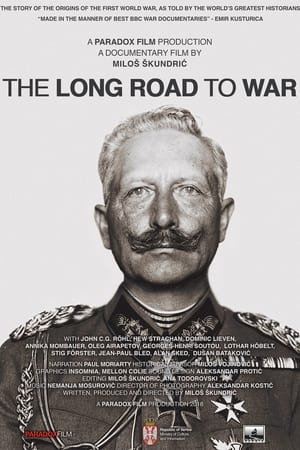
We all learned in schools that the WWI began with the assasination of Franz Ferdinand done by a young Bosnian Gavrilo Princip. In fact, the war was brewing much longer.
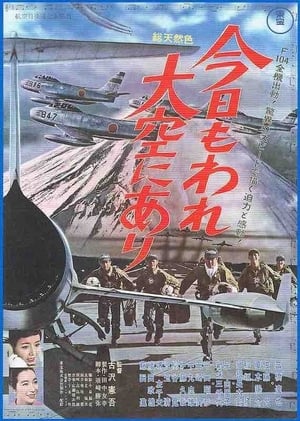
A 1964 war film directed by Kengo Furusawa
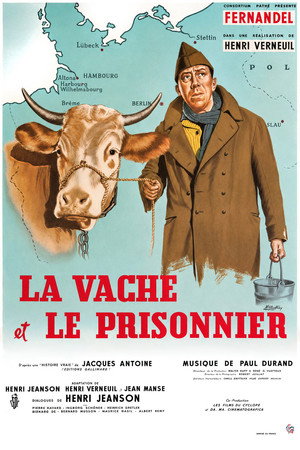
In 1942, a French prisonner of war in Germany decide to escape to France using a cow hold by a lunge as a decoy. He cross all Germany in this way.
In the waning days of the Ming dynasty, Japanese marauders raid villages on the Chinese coast. A wandering swordsman single-handedly dispatches a group of the foreign thugs, and agrees to help defend the town. He assembles a core team of highly skilled warriors, and together they train the townsfolk to stand up to the foreign pirates, using strategy and skill. When the army launches an all-out assault on the town, a ferocious battle rages, leading to final conflict on the Beach of the War Gods.
In 1937, eight hundred Chinese soldiers fight under siege from a warehouse in the middle of the Shanghai battlefield, completely surrounded by the Japanese army.
After his mother’s death, Adam finds his parents’ correspondence. We discover a love adventure entangled in the 20th century, when the world was cut in two and the war between Iran and Iraq marked the start of tragic conflicts in the Middle East. Mixing animation and found footage, we dive in a odyssey full of bombshells and secrets.
When Major Mahadevan receives news of terrorists hiding inside a mosque, he and his team set out to apprehend them and then, he takes help of his team member, Jai, and plans to execute the mission.
Music elates, touches the soul and bypasses reason. Music is magic. But precisely this magic can turn it into an insidious weapon for music and violence belong together. The brutal power of African war dances, the ferocity of Maori Hakas, the earth-shattering roar of US sound guns blasting Metallica at Taliban hideouts the principle is always the same: Aggressive sounds demoralise the enemy and whip the allies into a frenzy. In Songs of War, director Tristan Chytroschek explores the extraordinary harmony between music and violence. Sesame Street composer, Christopher Cerf, always wanted his music to be fun and entertaining. But then he learned that his songs had been used to torture prisoners in Guantanamo and Abu Ghraib. He is stunned by this abuse of his work and wants to find out how this could happen.