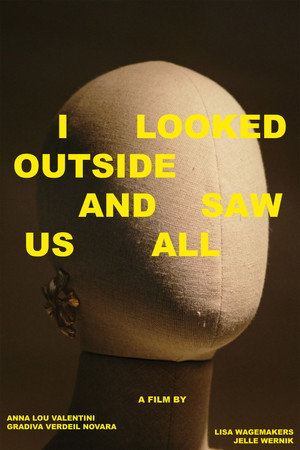
A variety of storefront mannequins look at, contemplate on, and talk about public space.
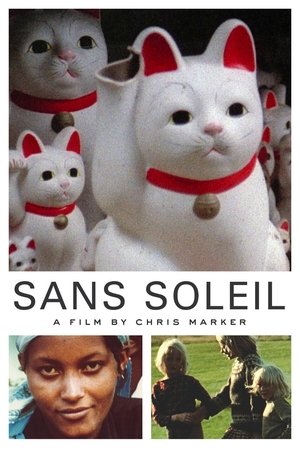
A woman narrates the thoughts of a world traveler, meditations on time and memory expressed in words and images from places as far-flung as Japan, Guinea-Bissau, Iceland, and San Francisco.
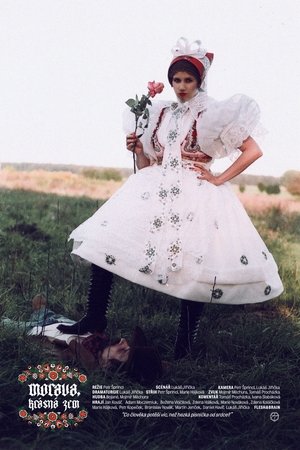
This experimental Western horror film set in the Moravian region of Slovácko offers a new take on the legend of Saint Wenceslas. Against the backdrop of a shabby folk festival, the mythical prince Boleslav, a zombie from a wine cellar, battles his brother Wenceslas over the nature of Czech statehood and a plate of tomato soup.
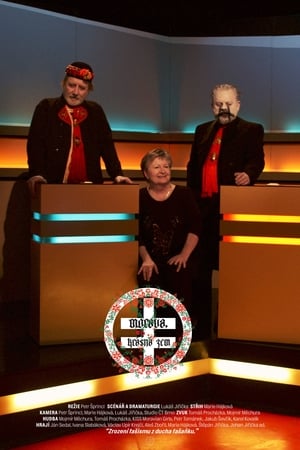
The second part of the endless series about Moravia offers an even darker descent into the soul of Moravia, which is, however, intoxicating like a slightly delirious state after a sip of wine and chewing on a clod of mother earth. A visually distracting journey focused on the undercurrents of Moravian identity, whose echoes even Friedrich Nietzsche would not want to hear...
Make Moravia Great Again
In this video I share my experience as the first Resident of the Harun Farocki Institut in Berlin during the winter of 2016-2017. Produced for the Goethe Institute.
Nonstop
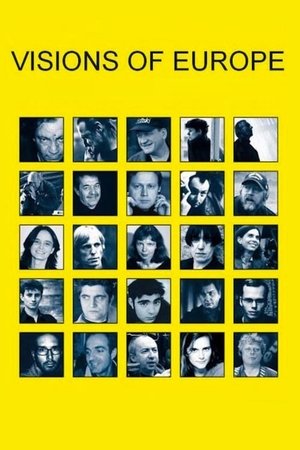
Twenty-five films from twenty-five European countries by twenty-five European directors.
A documentary based on the mutual experiences of a trio of directors, which portrays life in the border village of Bystré during the last year of the millennium. The film concentrates on the exuberant social life of the community, including many bizarre recent customs, as well as on several very intimate moments in the lives of the inhabitants.
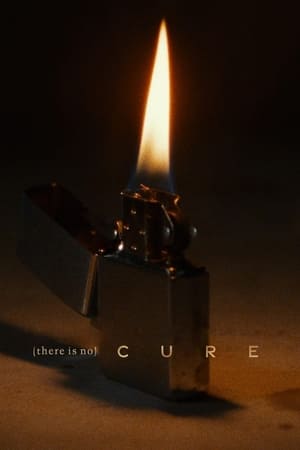
In this new video essay, filmmaker Alexandre O. Philippe delves into the dread-inducing mood and tone of Kiyoshi Kurosawa’s modern horror classic Cure, deploying a dizzying range of cinematic references to unravel the film’s eerie magic.
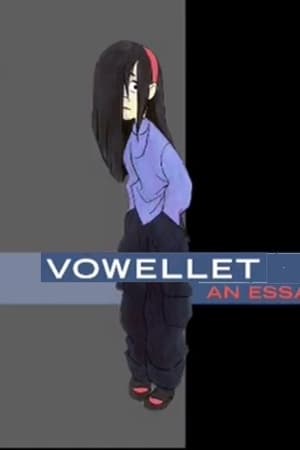
This Pixar documentary short follows Sarah Vowell, who plays herself as the title character, on why she is a superhero in her own way. (This short piece is included on the 2-Disc DVD for "The Incredibles", which was released in 2005.
An essay style film in the vein of Orson Welles' "F For Fake" and Jon Jost's "Speaking Directly". From 2011 to 2013, filmmaker Kristian Day randomly documented the art and actions of the award winning metal sculptor, James Bearden. Refusing to make another artist documentary, Day insisted on illustrating Bearden's creative process through surreal and id oriented story telling.
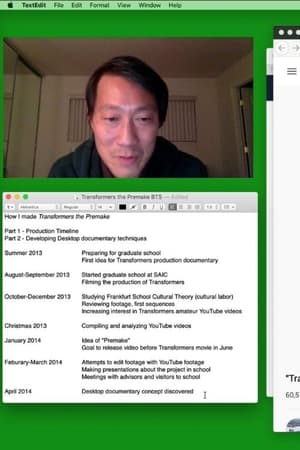
The mind process behind the film, Transformers the Premake, explained by Kevin B Lee himself.
Equal parts documentary, visual essay, experimental collage narrative, and parodic homage to and of all things Barbie, this caustic and exciting visual foray embraces the complicated terrain of feminist discourse, cultural criticism, and political rhetoric, as well as insights on gender, identity, and personal experience where all roads lead back to the phenomena that is Barbie.
Zaniklý svět Karla Pecky
Metropia
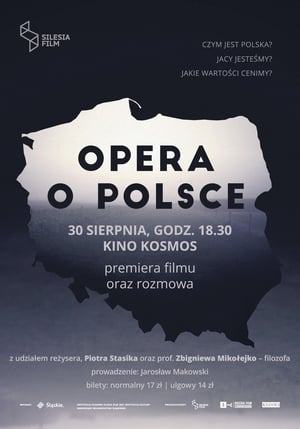
Pole, who are you? This film collage that combines archival and contemporary materials, documentary and staged pictures, press reports, social announcements, sale offers and speech excerpts is an attempt to answer this question. Referring to the Polish tradition of a creative documentary in the style of Wojciech Wiszniewski, the film presents various manifestations of Polishness: patriotic and religious rituals, everyday traditions as well as characteristic landscapes or intimate memories from childhood.
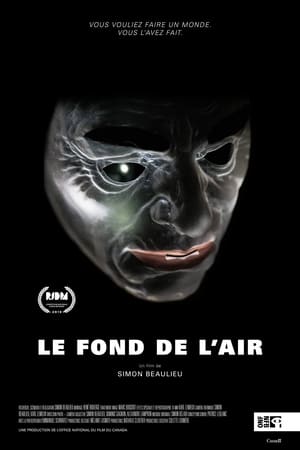
A reflection on the fate of humanity in the Anthropocene epoch, White Noise is a roller-coaster of a film, a whirlwind of sounds and images. The fourth feature-length work by Simon Beaulieu, this film essay plunges viewers into a subjective sensory adventure—a direct physical encounter with the information overload of daily life. White Noise transforms the imminent collapse of our civilization into a visceral aesthetic experience.
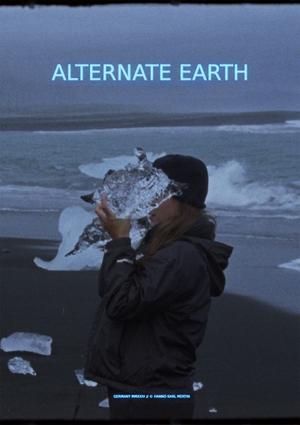
A scientific expedition travels to an alternative Earth in hope of finding a new home for humanity, which has destroyed its own planet. But is it even possible to escape old patterns?
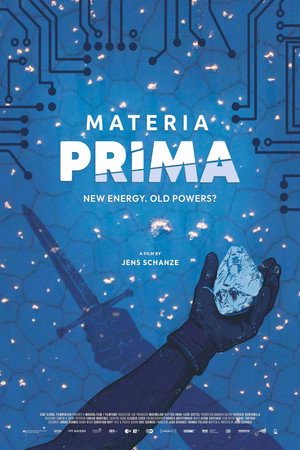
Bolivia has the world's largest deposits of lithium, a metal that is essential for the energy transition. Without lithium, no electricity storage facility, no data centre, no electric car, no smartphone would work. The Europeans want the raw material to save their automotive industry. The Bolivians want it to combat poverty. While the Bolivian government negotiates with corporations from around the world, civil society groups are mobilising in rural areas, organised mainly by women. The film offers a rare insight into the Europeans' strategy to secure the sought-after material and carves out the conflicting interests towards extractivism and industrialisation in Bolivia.