THE DEPARTMENT is a feature documentary which takes us inside the never-before-seen child protection system at work in NSW. Filmed in an observational style, it follows caseworkers across the state as they navigate the complexities of keeping children safe in families experiencing domestic violence, addiction, poverty, mental health issues and intergenerational trauma.
A deeply human portrait of the chaotic reality of the US - Mexico border. Full of stunnig images and crafted like a classic city-symphony where the sum of the pieces add up to a larger whole, Purgatorio, a Journey Into the Heart of the Border brings together a universe of small stories to create a compelling and visceral cinematic experience that takes audiences into the very soul of life on the border.
After the waning of the protests in Sanrizuka, Ogawa Pro started questioning the future of the collective and looking for other subjects to film. Following the method developed in the previous films, the filmmakers moved to the slum of Kotobuchi in the port city of Yokohama, where more than 6000 people were struggling to get by without any means of survival, exposed to industrial accidents and diseases. The result is one of the most moving films produced by the collective, a series of beautifully filmed portraits, voicing the silenced stories and songs of a group of people living in this community. Credit: ICA London
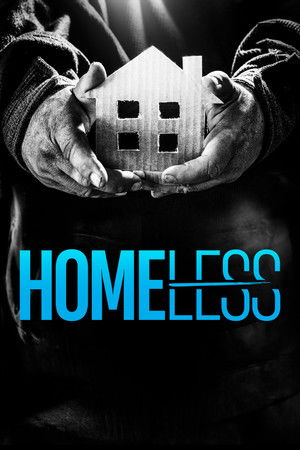
Documentary about what makes a house a home.
A documentary that focuses on two young male inhabitants of Recife (statistically, the fourth worst city in the world to live in) who have both reacted strongly to their situation. One has become a drummer in a rap/rock band. The other has killed forty-four people and is now in jail. Both use the term "Wicked Souls" to describe their enemies.
FLYIN' CUT SLEEVES, completed in 1993, portrays street gang presidents in the Bronx. Their world was the streets, set against a backdrop of uprooted families, cultural alienation, drugs and violence. Neighborhood teenagers responded by organizing into street groups known to the members as "families", but labeled in the most alarming terms as violent gangs by the press. The documentation of these lives over a twenty-year period offers a remarkable perspective on life in the ghetto (spanning four generations), and the means that people devise to cope from the time that they are children to when they serve as parents and role models for a new generation.
Fists of Pride follows Little Tiger and his fellow fighters as their Thai coaches prepare them for the annual Water Festival competition. In a boxing camp on the Thai-Burmese border the children of mostly illegal migrant workers fleeing Burma live and train for prize fights. In a region where combat sports have always been a matter of honor and money, the film reveals their daily struggles. Bets are open and as the hope of prize money rizes, the young boxers contemplate what it could mean for them and their families
In 1985 a picturesque Argentinian holiday town was completely flooded, not to re-emerge until 2009. Now only Pablo remains in this modern day Atlantis.
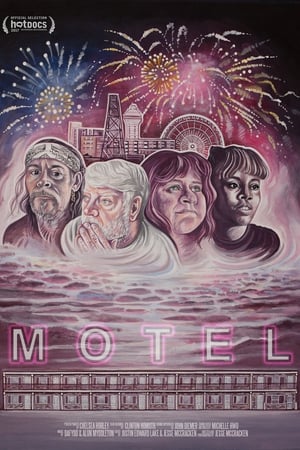
As Niagara Falls transformed from honeymoon capital of the world to Las Vegas North, corporate hotel chains and casinos cast a long shadow over the independent motels that once populated the town. The Continental survived the transition by converting its rooms into affordable housing units, becoming a home for those with few places to go. The night manager, Brian, once a freelance photographer who survived the horrors of war in Vietnam, shares his duties with his colleague Linda. Together they manage both the Continental and the individual struggles of its tenants, providing more than a roof over the heads of those who live under their supervision. Bringing a fresh focus to one of the most photographed places on Earth, director and cinematographer Jesse McCracken develops an intimate and caring portrait of the residents of this modest micro-community set against the backdrop of neon-lit tourist attractions.
Following four Lakota families over three years, Homeland explores what it takes for the Lakota community to build a better future in the face of tribal and government corruption, scarce housing, unemployment, and alcoholism. Intimate interviews with a spiritual leader, a grandmother, an artist, and a community activist from South Dakota’s Pine Ridge Indian Reservation reveal how each survives through family ties, cultural tradition, humor, and a palpable yearning for self-reliance and personal freedom.
During the last half-century, Cambodia has witnessed genocide, decades of war and the collapse of social order. Now, documentary filmmaker Rithy Panh looks at an irreparable tragedy that is less visible, yet no less pervasive: the spiritual death that results when young women are forced into prostitution. Angry and impassioned, PAPER CANNOT WRAP UP EMBERS presents the searing stories of poor Asian women whose lives were violated and their destinies destroyed when their bodies were turned into items of sexual commerce.
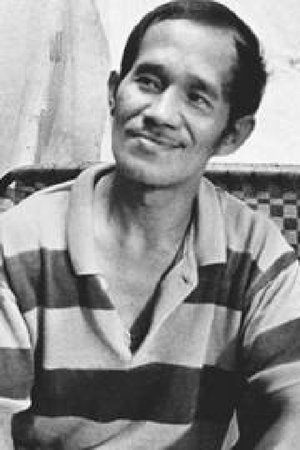
A woman who had been raped and whose family wiped out by the collaborators of the occupying forces during the bloody "liberation war" of Bangladesh in 1971 now roams the streets, 30 years later, as a mad person.
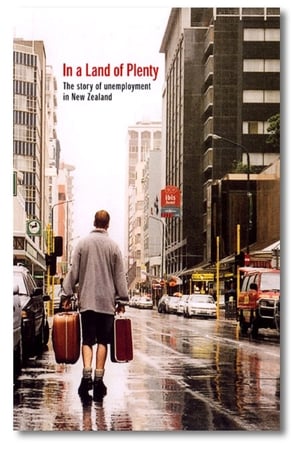
The story of unemployment in New Zealand and In A Land of Plenty is an exploration of just that; it takes as its starting point the consensus from The Depression onwards that Godzone economic policy should focus on achieving full employment, and explores how this was radically shifted by the 1984 Labour government. Director Alister Barry's perspective is clear, as he trains a humanist lens on ‘Rogernomics' to argue for the policy's negative effects on society, as a new poverty-stricken underclass developed.
In the form of a posthumous letter to Storck, using clippings from the original 'Borinage' film, the director paints a personal picture about a corner of Western Europe, where shocking living conditions of those trapped within
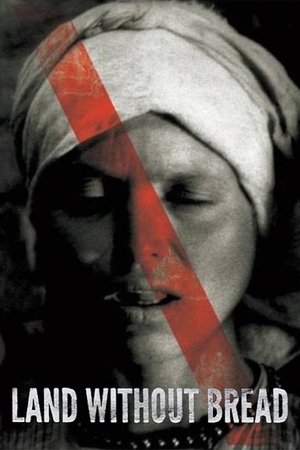
An account of the journey that King Alfonso XIII of Spain made to the impoverished shire of Las Hurdes, in the province of Cáceres, in the region of Extremadura, in 1922.
Filmmakers Alan and Susan Raymond spent three months in 1976 riding along with patrol officers in the 44th Precinct of the South Bronx, which had the highest crime rate in New York City at that time.
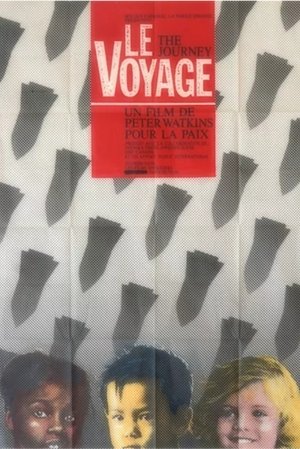
Documentary following Serbian football coach Zoran Đorđević as he helps form South Sudan's first national football team.
In the mountains of Northern Thailand lies a boarding school. The students come from different tribes in the area and live together with their Thai teacher, grow their own crops and cook their own meals while continuing their education. The biggest question on their mind, having spent all their lives in the mountainside, is where the rivers running down the hills end. If they pass the final exams their reward is a trip to the end of the river, to the ocean itself. The children are poor, some orphans, and most of them only speak their tribe's language, but all try their best to pass the exams to be able to take the long-awaited trip. This trip is not only a journey from the children's villages to the ocean but also a journey that symbolizes the change from childhood to adulthood.
Santiago Mitre co-directs his first movement following The Student together with choreographer Onofri Barbato. Although it would have been more accurate to say “his first film-story-adventure-movie-great movie following The Student”, the word movement fits perfectly in Los posibles, the most overwhelmingly kinetic work Argentine cinema has delivered in many, many years. The film deals with the adaptation of a dance show directed by Onofri together with a group of teenagers who came to Casa La Salle, a center of social integration located in González Catán, trying to find some refuge from hardship. Already entitled Los posibles, the piece opened in the La Plata Tacec and was later staged in the AB Hall of the San Martín Cultural Center. Now, it dazzles audiences out of a film screen, with extraordinary muscles and a huge heart: Los posibles is a rhapsody of roughen bodies and torn emotions. Precise and exciting, it’s our own delayed, necessary, and incandescent West Side Story.
Emmy Award-winning producer Linda Midgett shows us in this groundbreaking documentary a new face of poverty in America. About 50 million people in the United States live below the poverty line (In 2014- $23,850 for a family of 4) and one in four American children lives in poverty. But what is poverty in America? What defines "the line" and how can the church and community make a difference?