Cinema is an art that brings joy to millions of people around the world. However, it is difficult to create and produce, but there is an organization that teaches children how to make films so they can create the stories they dream of.
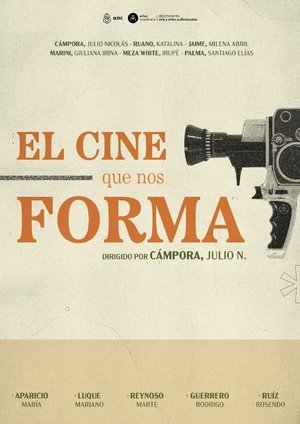
El cine que nos forma
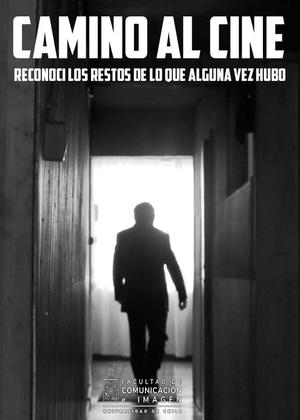
In Cañete there was a large movie theater in the center of town until the 1980s. At that time many things still worked. From a child's point of view, the short film transports us to an ordinary afternoon in Cañete, when people still happily went to the movies despite how difficult life was.
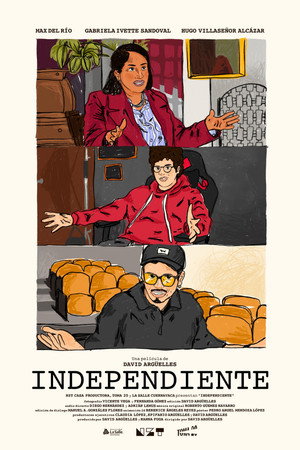
Three Mexican filmmakers — Max del Río, Gabriela Ivette Sandoval, and Hugo Villaseñor Alcázar — share their processes and challenges around a single question: How can an independent film get seen? Through the eyes of insiders, the documentary reveals the complex journey behind making cinema visible in Mexico.
A film student, who denies being in love with his teacher, wonders what cinema is, what love is, and why we do what we do.
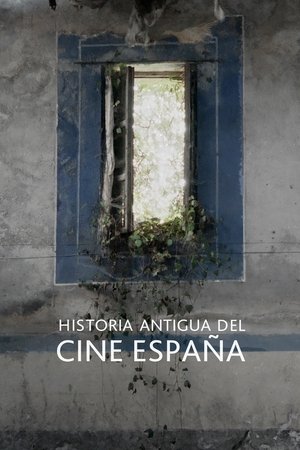
During the Cold War, while the great powers fight for nuclear supremacy, a uranium mine is opened in Albalá, in the Spanish province of Cáceres, as well as a movie theater, a symbol of the prosperity of the village from then until its closure in 1975.
One night, in a small bakery in a village in northern Spain, we accompany a baker who, through the contrast between the noise of heavy machinery and abrupt silences, works in solitude. His son, the author of the work, depicts the process: he projects his artistic and class concerns within the world of cinema by comparing the production of bread and the mechanisms of cinematographic creation.
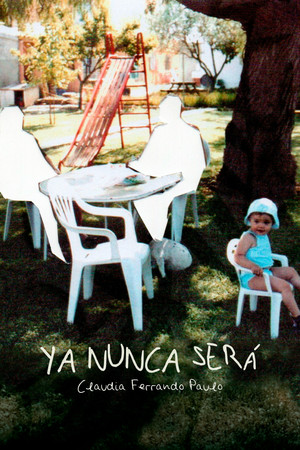
Ya nunca será
Haiku por Ozziel
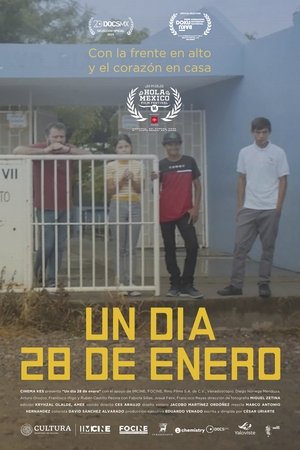
In Culiacán, Sinaloa, 11-year-olds Fabi, Josué, and Francisco bond over shared struggles in their elementary school and use a film workshop to express the violence that surrounds them. Six years later, they reunite to reflect on their experiences and the unsettling normalization of violence in their lives, exploring its impact on their futures.
Cinema Berlín
On her first student film shoot, Camila, the director, discovers that her boyfriend, Miguel, an actor, is cheating on her with his co-star. Upon learning of the infidelity, Camila questions her relationship with Miguel and her passion for filmmaking.
A university professor on the verge of divorce and a new life is confronted with a series of encounters that make him doubt his desires — and reality.
Empeliculados
A transgender girl runs away from home and is invited to live with a strange photographer who pushes her to help him pay his debts.
Todo como en el 2006
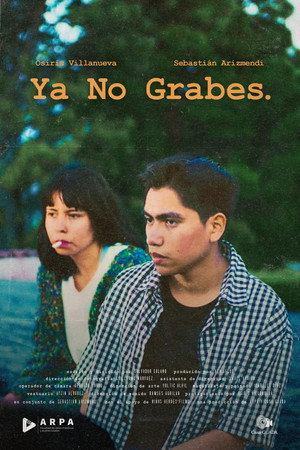
Ya No Grabes
A newly arrived immigrant to the United States struggles to make money working as a server, but his inexperience and anxiety threaten to make him fail, forcing him to master the job in order to survive in his new home.
La vida d'Antani
Timo Novotny labels his new project an experimental music documentary film, in a remix of the celebrated film Megacities (1997), a visually refined essay on the hidden faces of several world "megacities" by leading Austrian documentarist Michael Glawogger. Novotny complements 30 % of material taken straight from the film (and re-edited) with 70 % as yet unseen footage in which he blends original shots unused by Glawogger with his own sequences (shot by Megacities cameraman Wolfgang Thaler) from Tokyo. Alongside the Japanese metropolis, Life in Loops takes us right into the atmosphere of Mexico City, New York, Moscow and Bombay. This electrifying combination of fascinating film images and an equally compelling soundtrack from Sofa Surfers sets us off on a stunning audiovisual adventure across the continents. The film also makes an original contribution to the discussion on new trends in documentary filmmaking.