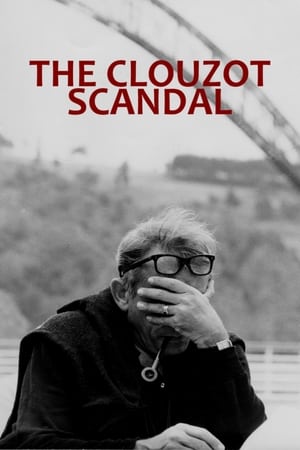
Great filmmakers claim the artistic influence of French director Henri-Georges Clouzot (1907-1977), a master of suspense, with a unique vision of the world, who knew how to offer both great shows and subtle studies of characters. Beyond the myth of the tyrannical director, a contrasting portrait of a visionary, an agitator, an artist against the system.
A movie director attemps to film the way he writes a screenplay.
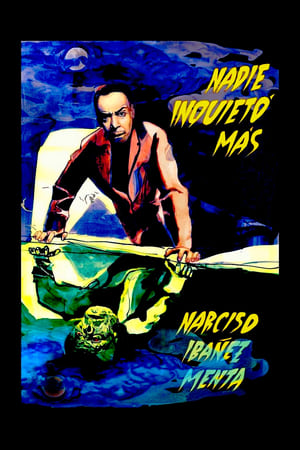
A peculiar, meticulous, vocationally archeological account of the professional life of the actor, Spanish by birth, Argentinean by adoption, Narciso Ibañez Menta (1912-2004), spiritual disciple of Lon Chaney, the new man of a thousand faces, master of horror, star of Argentinean theater, cinema and television for decades.
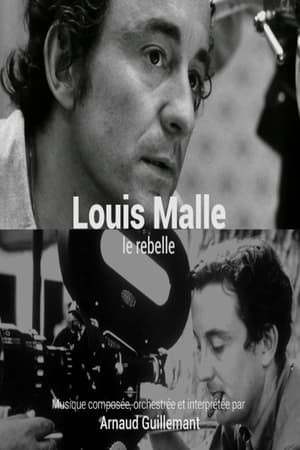
Louis Malle, le rebelle
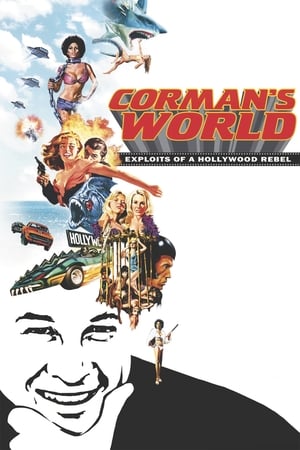
A chronicle of the long career of American filmmaker Roger Corman, the most tenacious and ingenious low-budget producer and director in the US film industry, a pioneer of independent filmmaking and discoverer of new talent.
Iranian film director Amir Naderi talks to Zar Amir Ebrahimi about his career in this documentary directed and produced by Ebrahimi and broadcast by BBC World Service and BBC Persian. Amir Naderi is one of the most influential figures of Iranian modern cinema. He was born in 1945 in the Persian Gulf port of Abadan. Orphaned at an early age and living the life of a street urchin, Naderi had to survive by selling ice, working as a shoeshine boy and recycling empty beer bottles. He developed his knowledge of cinema by watching films in the theaters where he worked at a very young age. He began his career by taking pictures for some notable Iranian features. In the 1970’s, he started directing his own films, and made some of the most important movies of the New Iranian Cinema. After moving to New York in the early 90’s, Amir Naderi continued to make films. They have premiered at the Venice, Cannes, Tribeca, and Sundance Film Festivals.
Alfred Hitchcock is known as a giant of movie making, a facetious master of suspense, obsessed with blond heroines in peril, with the reputation of being tyrannical towards his actors. But who knows the real Hitchcock? During his last public appearance, "Hitch" paid tribute to the wife, mother, co-writer, editor and partner of a lifetime that was Alma Reville Hitchcock. The two Hitchcock were inseparable, engineering the unquestionable masterpieces together. Their genuine collaboration never stopped from the day they met until the end of their lives. It's in light of this fusional relationship that this film will revisit and shed fresh light on the legend.
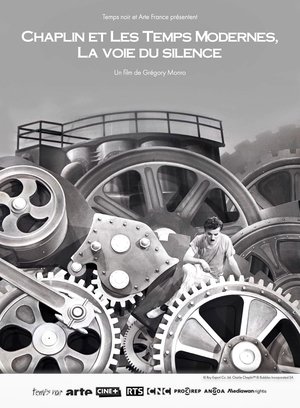
In 1936, the sound film had already been around for a decade. Nevertheless, Charlie Chaplin (1889-1977) made another silent film, "Modern Times", which only used sound effects as a dramaturgical device. Speaking is reserved for the apparatus alone. The film became a monument in the history of cinema for this very reason.
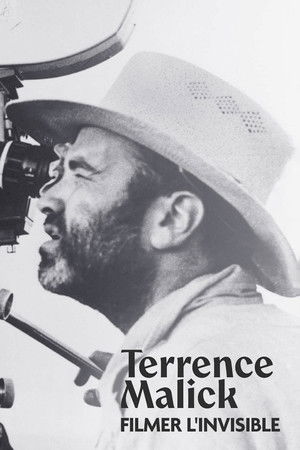
Traces Malick's artistic journey – from his philosophical studies at Harvard through his early masterpieces "Badlands" and "Days of Heaven" to his later films "The Thin Red Line" and "A Hidden Life." Hollywood stars like Brad Pitt and actresses like Valerie Pachner and Maria Simon talk about working with a director who gave them the greatest possible freedom.
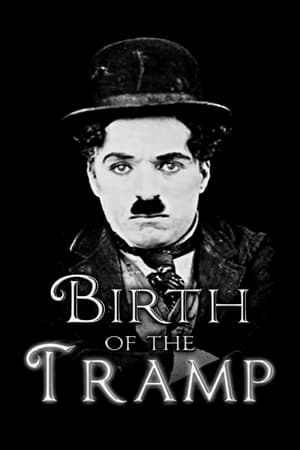
A look back at Charlie Chaplin's early life and career, from his rough childhood and music hall success in England to his early Hollywood days and the development of his enormously popular character, the Little Tramp, also called Charlot.
Film critic Alejandro G. Calvo traces an audiovisual journey through the work of David Lynch trying to find clues to decipher his enigmatic universe.
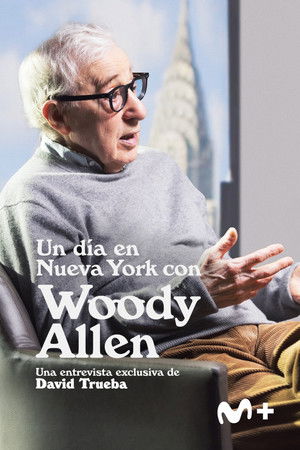
Spanish filmmaker David Trueba travels to New York to interview Woody Allen, who reviews his filmography and his many personal and artistic concerns.
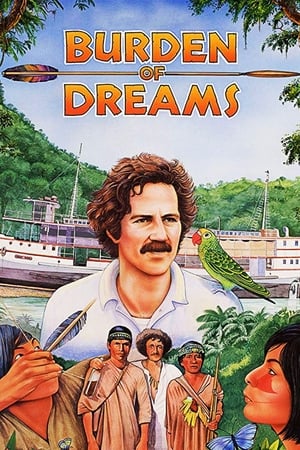
The Amazon rain forest, 1979. The crew of Fitzcarraldo (1982), a film directed by German director Werner Herzog, soon finds itself with problems related to casting, tribal struggles and accidents, among many other setbacks; but nothing compared to dragging a huge steamboat up a mountain, while Herzog embraces the path of a certain madness to make his vision come true.
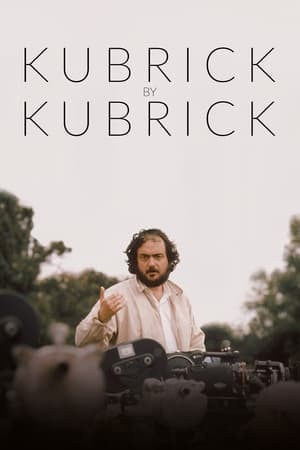
American filmmaker Stanley Kubrick (1928–1999), one of the greatest in history, but also one of the most reserved, gave few interviews throughout his long career, and none of them were filmed. A first-person journey through his life and work, based on a recorded conversation with French film critic Michel Climent.
Documentary on Belgian director of greek descent Jean Daskalidès.
Giant of cinema, the embodiment of creation, Orson Welles is the man who reinvents the film language at 24-years old. Who is hidding behind this impressive figure? This movie is a journey towards the man behind the legend. It drags us into the labyrinth with multiple mirrors that Welles erases and recreates at the mercy of his imagination.
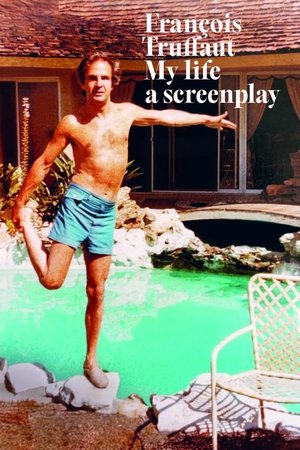
At the end of his life, gravely ill, François Truffaut took refuge with his ex-wife Madeleine Morgenstern. She tried to keep him occupied during his long agony. The filmmaker confided in his friend Claude de Givray, with the intention of writing his autobiography. Too weakened, he abandoned the project. The film reveals part of this final story.
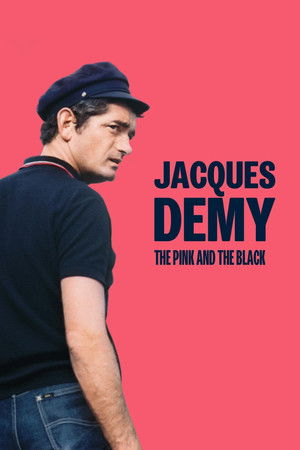
Jacques Demy’s ability to enchant audiences was rooted in his personal struggles and doubts as a showman, establishing him as one of French cinema’s greatest artists.
Documentary about the Swedish humorist, film maker and artist Yngve Gamlin
A documentary about the making of Joe Cash's last directorial feature film Carnal Redemption, showcasing the behind the scenes, the preproduction hell of the film and the mayhem which goes into a Joe Cash film.