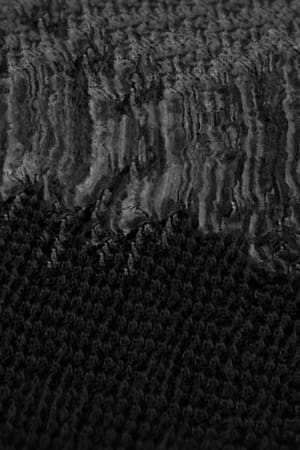
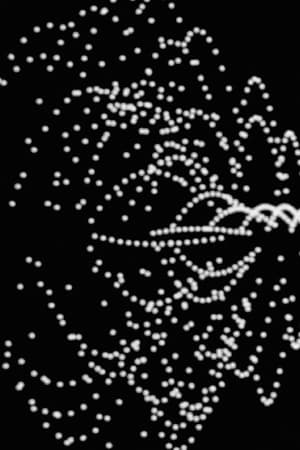
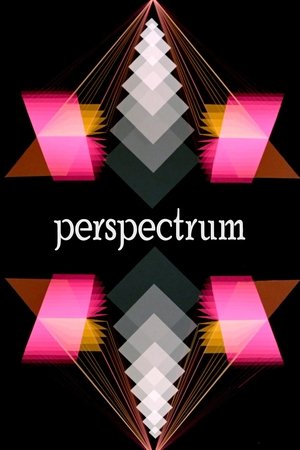
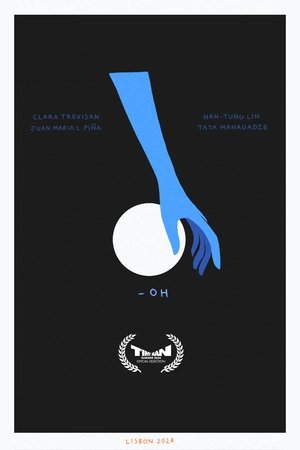
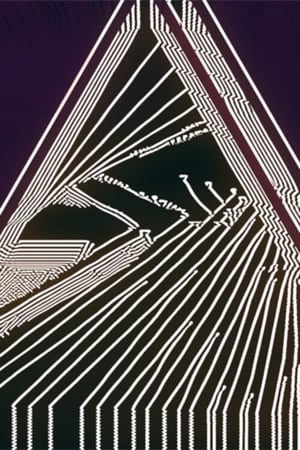
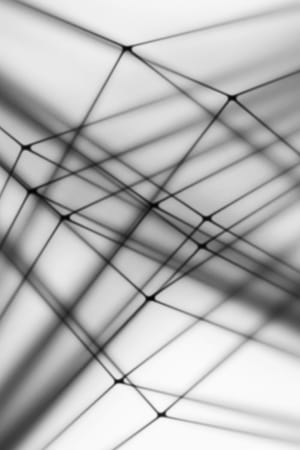
Mamori transports us into a black-and-white universe of fluid shapes, dappled and striated with shadows and light, where the texture of the visuals and of the celluloid itself have been transformed through the filmmaker’s artistry. The raw material of images and sounds was captured in the Amazon rainforest by filmmaker Karl Lemieux and avant-garde composer Francisco López, a specialist in field recordings. Re-filming the photographs on 16 mm stock, then developing the film stock itself and digitally editing the whole, Lemieux transmutes the raw images and accompanying sounds into an intense sensory experience at the outer limits of representation and abstraction. Fragmented musical phrases filter through the soundtrack, evoking in our imagination the clamour of the tropical rainforest in this remote Amazonian location called Mamori.
Astract stop-motion short film using "lightning doodles" by Tochka.
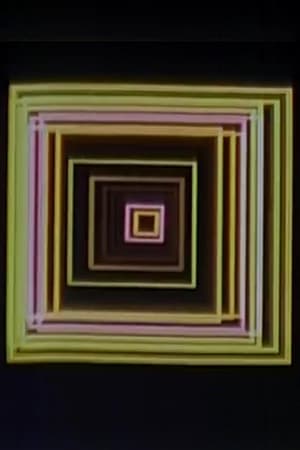
A mathematical play on one repeated movement. It imparts a sense of possibilities: that something simple can produce complex and unexpected patterns. As with an atom, the variety of possibilities from a base movement is potentially infinite.
“[T]he sense of moving forward [in space or time] alternates with a sense of expansion and contraction, as the finished cycle [of movement] returns to itself and rushes to catch up with its successor.” (Gadassik) Preserved by the Academy Film Archive in partnership with iotaCenter and National Film Preservation Foundation in 2007.
A film unmade-- That is, Survage's film was never realized in the traditional sense-- At the time, such a project was beyond technological possibility. His pioneering efforts to combine luminous, expressive painting and the moving picture were further curtailed by the outbreak of WWI. Some have taken it upon themselves to 'animate' his watercolor plates in attempts to set his dream into motion.
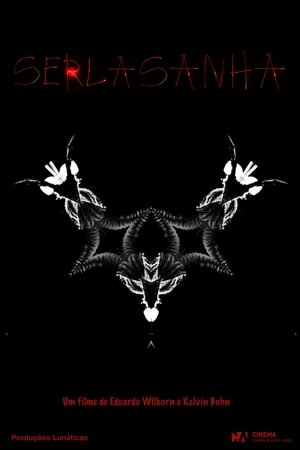
Serlasanha
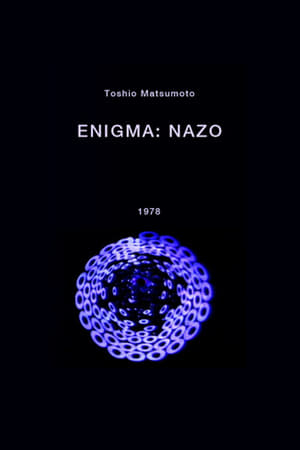
Enigma is something of a more glamorous version of White Hole, with a wide variety of elaborate textures (often composed of iconographic and religious symbols) converging towards the centre of the screen.
Abstract animation by Boris Labbé
This newly rediscovered short was created in Jim's home studio in Bethesda, MD around 1961. It is one of several experimental shorts inspired by the music of jazz great Chico Hamilton. At the end, in footage probably shot by Jerry Juhl, Jim demonstrates his working method.
Three books: a film festival catalogue, a dictionary, the Bible. Three works whose materiality has become obsolete by the digital dematerialization. A commentary on the fragility of culture.
An abstract animated film inspired by the work of jazz musician Chico Hamilton.
Confined to an endlessly burning waiting room, a dying sedentary woman experiences herself blurring in and out of her body. In her last remaining fragments she tries to make amends with her spirit before her remaining fragments either decay or create.
This is no animation, it's one picture. Short experimental film by Mirai Mizue
This short experiments with the flow of oil ink over the surface of the water. Mizue manipulated the ink by blowing with straws or stirring with toothpicks and used stop motion animation techniques to shoot the resulting effects.
The idea of JAM was conceived while I was attending the Ottawa International Animation Festival in 2008.After returning to Japan, I soon began making the film and completed it in four months.This film is based on a very simple idea: the increasingly varied the sounds, the greater is the number of creatures. I wanted to rid myself of the frustrating experience of making Devour Dinner, which was highly unsatisfactory from the viewpoint of the movement in the film. My intention in this film was to fill the screen with chaotic movements.
A space occupies it, awaiting to be unlocked by a freeing action or notion. What lies ahead is its determination.
We watch white shapes dancing on black background, which changes when the white shape fills up the screen completely, and black lines and figures bounce around on the now white background.
A classic of abstract animation that follows a tiny red arrow's journey through a multitude of spirals of white and waterfalls of color. Directed by Caroline and Frank Mouris, preserved in 2020 thanks to a collaborative effort between the Academy Film Archive and the Yale Film Archive.
Citronella, a mosquito who faints at the sight of blood, nervously waits outside her first group therapy session, while the Pill Bug therapist, Dr. Pill tries to calm a neurotic group of bugs, each suffering from a mental-health issue: An OCD germaphobic Fly freaks when he runs out of hand sanitizer. A Dragonfly couple struggle with co-dependency; she's literally on top of him. A Grasshopper, addicted to coffee, is so jumpy, he launches himself in mid-sentence. A Praying Mantis who doesn't pray because she thinks she is God. A terrified Spider is deathly afraid of -- spiders. And, a perfectly-camouflaged Stick Bug complains that no one ever "sees" him. Throughout all this, Citronella battles her urge to flee - while Dr. Pill implores her to share her "embarrassing" problem.
"We are powerfully imprisoned by the terms in which we have been conducted to think.” - R. Buckminster Fuller