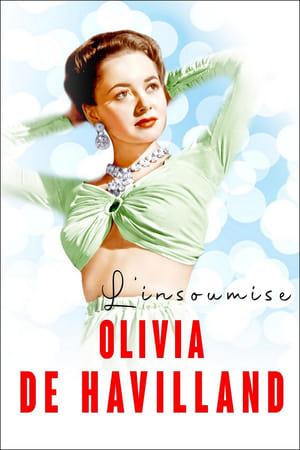
The legendary British-American actress Olivia de Havilland (1916-2020), who conquered Hollywood in the thirties, challenged the film industry when, in 1943, she took on the all-powerful producer Jack Warner in court, forever changing the ruthless working conditions that restricted the essential rights and freedom of artists.
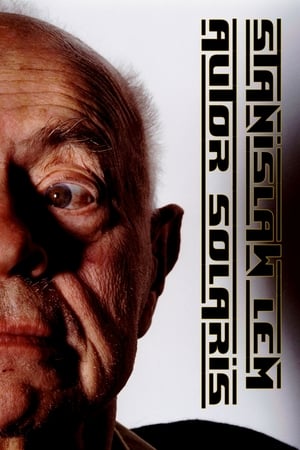
An account of the life and work of the Polish writer Stanisław Lem (1921-2006), a key figure in science fiction literature involved in mysteries and paradoxes that need to be enlightened.
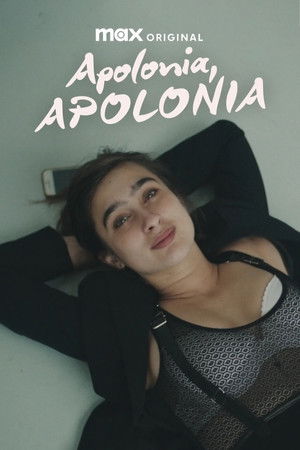
When Danish filmmaker Lea Glob first portrayed Apolonia Sokol in 2009, she appeared to be leading a storybook life. The talented Apolonia was born in an underground theater in Paris and grew up in an artists’ community—the ultimate bohemian existence. In her 20s, she studied at the Beaux-Arts de Paris, one of the most prestigious art academies in Europe. Over the years, Lea Glob kept returning to film the charismatic Apolonia and a special bond developed between the two young women.
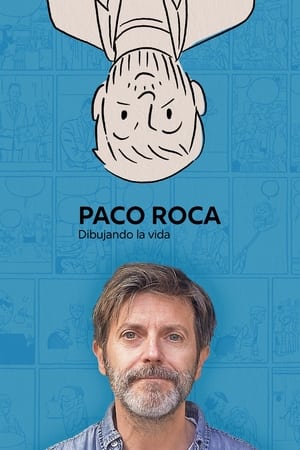
A portrait of Spanish comic book author Paco Plaza.
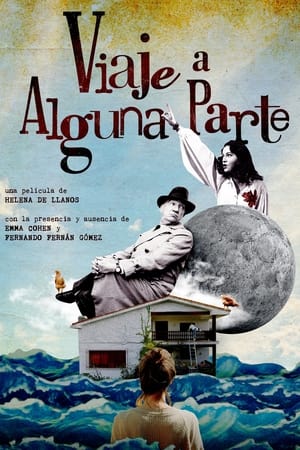
A young woman, who has inherited her grandparents' huge house, a fascinating place full of amazing objects, feels overwhelmed by the weight of memories and her new responsibilities. Fortunately, the former inhabitants of the house soon come to her aid. (An account of the life and work of Fernando Fernán Gómez [1921-2007] and his wife Emma Cohen [1946-2016], two singular artists and fundamental figures of contemporary Spanish culture.)
A young non-binary trans photographer, Laurence Philomène asserts themselves as one of the most original and inspiring voices of their generation and an icon of the LGBTQ+ community. Revealing both Laurence's intimate world and creative process, "LARRY (they/them)" paints a luminous and committed portrait of the complex and often misunderstood multiplicity of trans and non-binary identities and experiences.
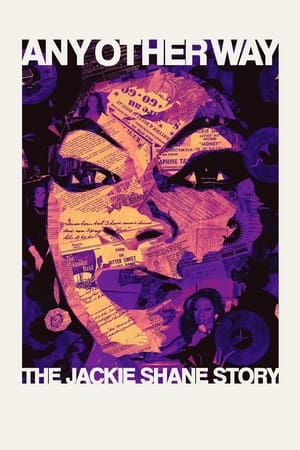
Any Other Way: The Jackie Shane Story reveals the extraordinary rise, sudden disappearance, and resurgence of trailblazing Black trans soul singer Jackie Shane.
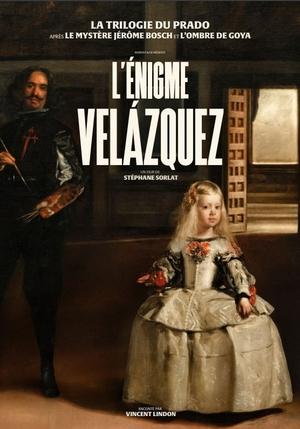
Diego Velásquez, painter of kings and commoners, master of the off-frame and mise-en-abyme, stands at the heart of a cinematic journey that challenges conventions. From the hypnotic depth of Las Meninas to the dizzying layers of meaning in The Spinners, The Vélasquez Mystery seeks to unravel a troubling question: how does this artist, admired by geniuses such as Manet and Dalí, remain so often on the margins of collective memory? Guided by the symbolic thread of water, a metaphor for movement and reflection, the film traverses centuries and continents, boldly blending historical narratives, contemporary interpretations, and reflections on the universal legacy of an unmatched master.
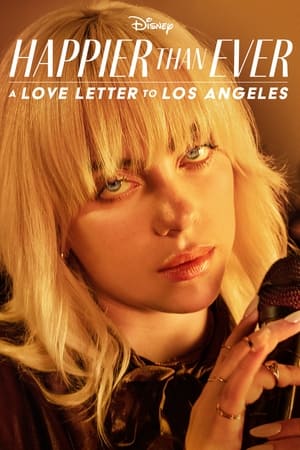
Fresh off the heels of her brand-new album, "Happier Than Ever," this cinematic concert experience features an intimate performance of every song in the album's sequential order – for the first and only time – from the stage of the legendary Hollywood Bowl.
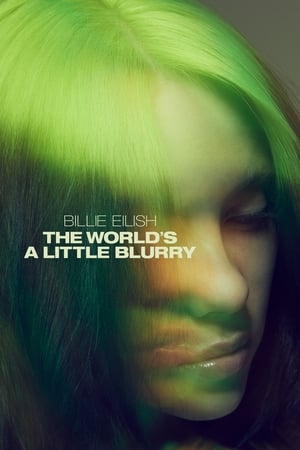
This documentary offers a deeply intimate look at extraordinary teenager Billie Eilish. Award-winning filmmaker R.J. Cutler follows her journey on the road, onstage, and at home with her family as the writing and recording of her debut album changes her life.
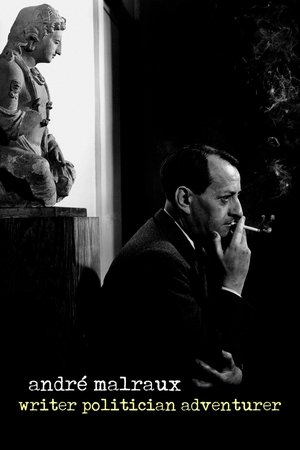
Writer, journalist, explorer, filmmaker, communist militant, freedom fighter. Truths and lies. A plot twist. Politician. General De Gaulle's shadow. Overwhelmed by the weight of power. The numerous exploits of André Malraux (1901-1976).
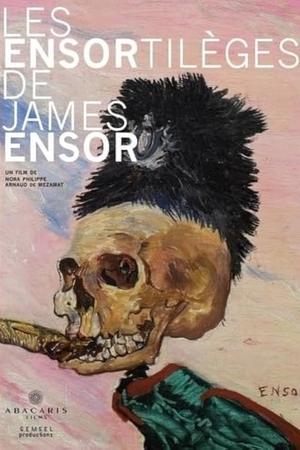
This film explains what James Ensor (1860-1949) meant for the development of art and makes palpable where he got his inspiration from.
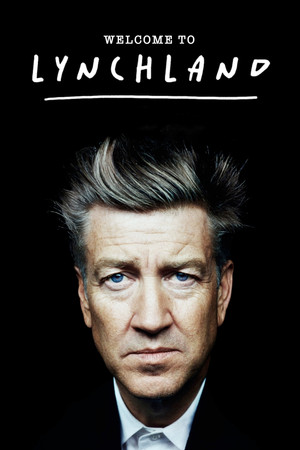
Creator of absolute freedom, David Lynch constructed his work as an enigma to be deciphered between dream and reality. A cult director from his first films ("Eraserhead", "Elephant Man", "Blue Velvet"), Lynch forever changed the world of television with his series "Twin Peaks", before tackling the lies of Hollywood in "Mulholland Drive". Tracing the life of the most influential filmmaker of his generation, this documentary explores the hidden meaning of a relentlessly consistent filmography and delves beneath the dark, teeming surface of the American Dream.
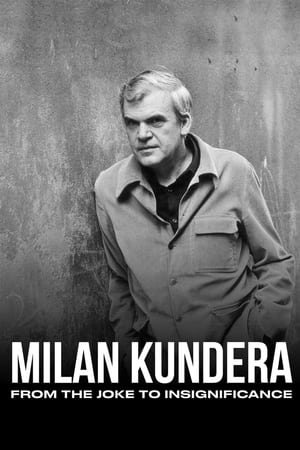
The brilliant Czech writer Milan Kundera has not given an interview in thirty years; nor does he appear in public. How did he become a legendary author? What is so unique about his books?
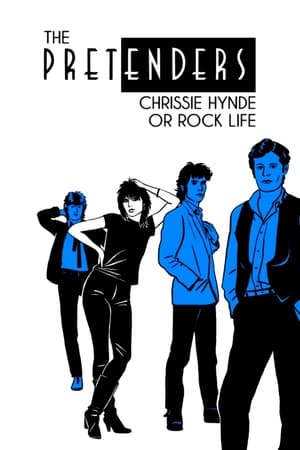
A journey through the artistic life of the British-American rock band The Pretenders, formed in 1978, and a portrait of its leader, the charismatic singer and songwriter Chrissie Hynde.
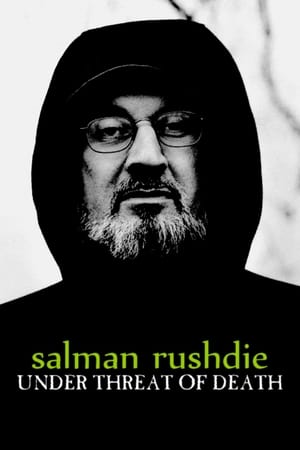
An intimate portrait, in his own words, of the Indian writer Salman Rushdie, author of The Satanic Verses (1988), thirty years after the fatwa uttered by the Iranian Ayatollah Khomeini: his youth in multicultural Bombay, his life in England, his many years of forced hiding, his thoughts on President Trump's United States of America.
An account of the life and work of the multidisciplinary Spanish artist Mariano Fortuny Madrazo (1871-1949), textile and fashion designer, set designer, photographer, painter and engraver, known as the Leonardo Da Vinci of the 20th century.
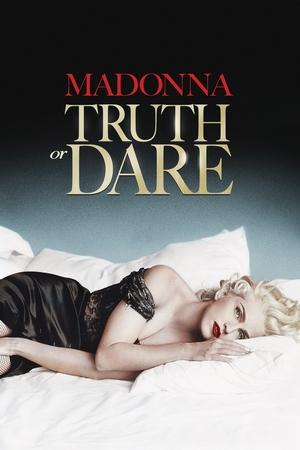
From the rains of Japan, through threats of arrest for 'public indecency' in Canada, and a birthday tribute to her father in Detroit, this documentary follows Madonna on her 1990 'Blond Ambition' concert tour. Filmed in black and white, with the concert pieces in glittering MTV color, it is an intimate look at the work of the icon, from a prayer circle before each performance to bed games with the dance troupe afterwards.
For three years, Vincent Lindon recorded himself on his iPhone to document his insecurities, fears and fits of rage as if in a diary. Thierry Demaizière and Alban Teurlai use these unique recordings to paint an unusual portrait of the actor, who openly addresses personal questions about his profession, his age and his emotions.
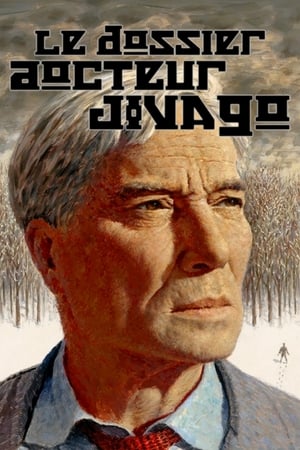
As Russian writer Boris Pasternak (1890-1960) thinks it is impossible that his novel Doctor Zhivago is published in the Soviet Union, because it supposedly shows a critical view of the October Revolution, he decides to smuggle several copies of the manuscript out of the country. It is first published in 1957 in Italia and the author receives the Nobel Prize in Literature in 1958, which has consequences.