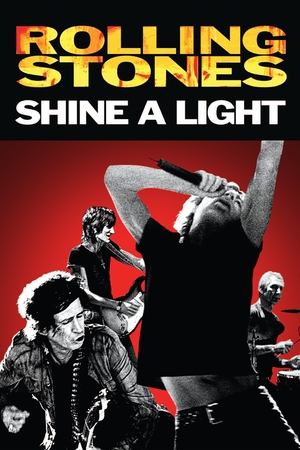
Martin Scorsese’s electrifying concert documentary captures The Rolling Stones live at New York’s Beacon Theatre during their A Bigger Bang tour. Filmed over two nights in 2006 with an all-star team of cinematographers, the film combines dynamic performances with archival footage and rare glimpses behind the scenes, offering a vibrant portrait of the band’s enduring energy and legacy.
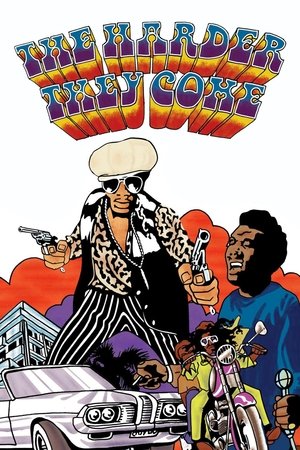
Ivanhoe Martin arrives in Kingston, Jamaica, looking for work and, after some initial struggles, lands a recording contract as a reggae singer. He records his first song, "The Harder They Come," but after a bitter dispute with a manipulative producer named Hilton, soon finds himself resorting to petty crime in order to pay the bills. He deals marijuana, kills some abusive cops and earns local folk hero status. Meanwhile, his record is topping the charts.
In October 1733, the audience at the Académie Royale de Musique witnessed the birth of a revolutionary work: Hippolyte et Aricie. With its inventiveness and musical richness, Rameau’s opera marks a break in the history of French music. A similarly revolutionary duo – Jeanne Candel and Raphaël Pichon – get to grips with this work for the Opéra Comique.
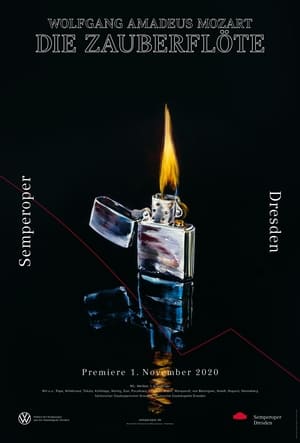
Die Zauberflöte aus der Semperoper Dresden
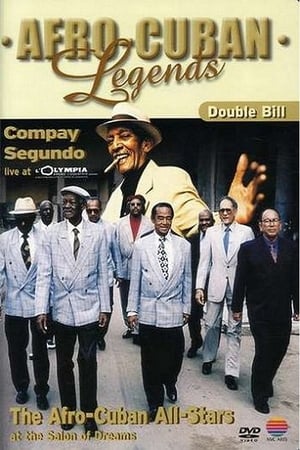
This documentary, shot entirely on location in Havana, includes many band members' insights into this revival, and features performance footage of an All-Stars' concert at the city's Salon of Dreams.
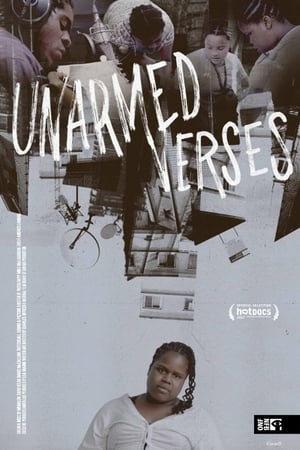
Toronto filmmaker Charles Officer profiles the young people of Villaways Park, a housing project on brink of historic change.
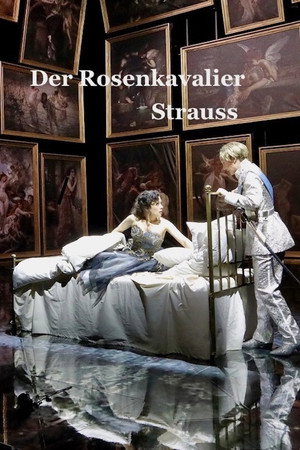
Der Rosenkavalier - Bayerische Staatsoper
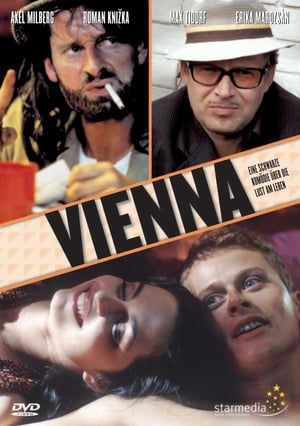
A comedy about three men who have reached the lowest rung on the social ladder. This story about lust for life and miracles that are possible only with the aid of extraordinary women unfolds at a place which reflects life, love and death like no other.
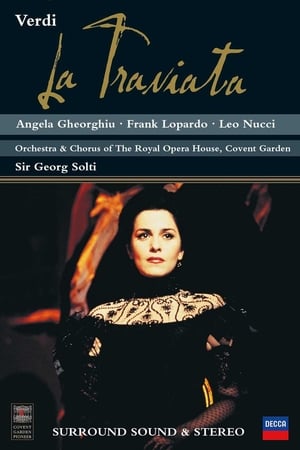
La traviata (Italian: [la traˈviaːta], "The Fallen Woman"[1][2]) is an opera in three acts by Giuseppe Verdi set to an Italian libretto by Francesco Maria Piave. It is based on La dame aux Camélias (1852), a play adapted from the novel by Alexandre Dumas, fils. The opera was originally entitled Violetta, after the main character. It was first performed on 6 March 1853 at the La Fenice opera house in Venice. Piave and Verdi wanted to follow Dumas in giving the opera a contemporary setting, but the authorities at La Fenice insisted that it be set in the past, "c. 1700". It was not until the 1880s that the composer and librettist's original wishes were carried out and "realistic" productions were staged.[3]
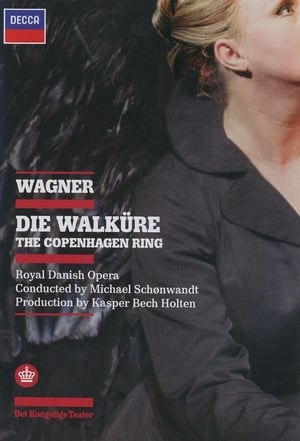
Die Walküre (The Valkyrie), WWV 86B, is an opera in three acts by Richard Wagner with a German libretto by the composer. It is the second of the four operas that form Wagner's cycle Der Ring des Nibelungen (The Ring of the Nibelung). The story of the opera is based on the Norse mythology told in the Volsunga Saga and the Poetic Edda.[1][2] In Norse mythology, a valkyrie is one in a group of female figures who decide which soldiers die in battle and which live. Die Walküre's best-known excerpt is the "Ride of the Valkyries". DVD release June 2009.
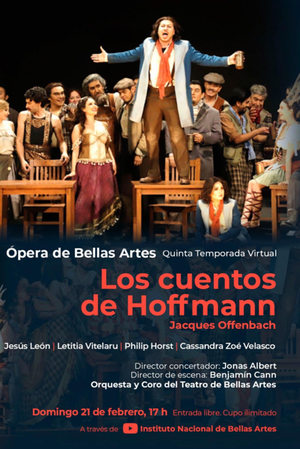
Opera in three acts, a prologue and an epilogue, by Jacques Offenbach (1819-1880), with a libretto in French by Jules Barbier (1825-1901), based on a work that Barbier himself and Michel Carré (1821-1872) had written based on stories by E.T.A. Hoffmann (1776-1822). Approximate duration: 2 h 45 min Recommended for those over 15 years old. The young poet Hoffmann, accompanied by Nicklausse, his alter ego and confidant, is in a tavern next to the theatre where Mozart's Don Giovanni is being performed. During the opera's intermission, some diners arrive at the bar who, upon seeing the poet, encourage him to sing and tell them the story of his famous love affairs. Hoffmann finally gives in and shares with them the stories of Olympia, Antonia and Giulietta. They, absorbed in the poet's stories, remain in the tavern, forgetting about the opera performance.
Zeit der Fische
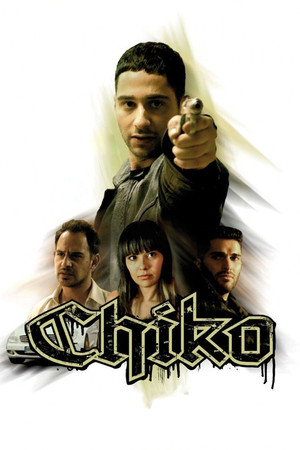
This is the story of Isa, who grows up in a Hamburg suburb. It might be one of the world's richest cities but every beast has its belly and here, in the very underbelly, Chiko lives in a world where violence, staking and keeping a claim, and drug taking are the norm. Where down is not an option, Chiko is determined to rise to the top, whatever and whomever it costs.
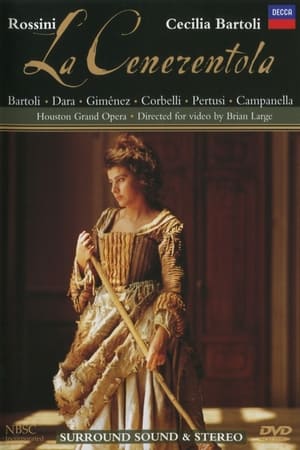
La Cenerentola, ossia La bontà in trionfo (Cinderella, or Goodness Triumphant) is an operatic dramma giocoso in two acts by Gioachino Rossini. The libretto was written by Jacopo Ferretti, based on the fairy tale Cendrillon by Charles Perrault. The opera was first performed in Rome's Teatro Valle on 25 January 1817.---- IMDB id refers to Great Performances: Season 24, Episode 12 La Cenerentola (3 Apr. 1996) from Houston Grand Opera so release date is misleading.
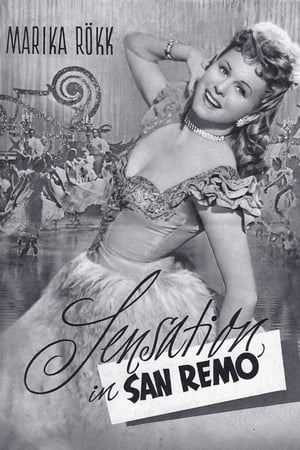
Sensation in San Remo
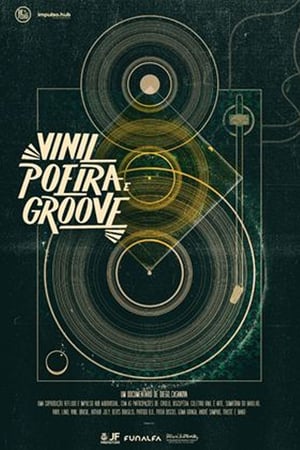
An overview of the Brazilian vinyl market and its main players to understand the dimension of a universe that mixes sounds, money and passion. New factories, labels, stores, rarity-hunting mercenaries, collectors, DJs and a whole complex ecosystem revolve at 33 rpm around this renewed and beloved industry.
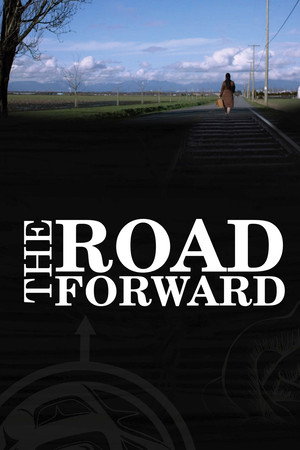
The Road Forward is an electrifying musical documentary that connects a pivotal moment in Canada’s civil rights history—the beginnings of Indian Nationalism in the 1930s—with the powerful momentum of First Nations activism today. Interviews and musical sequences describe how a tiny movement, the Native Brotherhood and Sisterhood, grew to become a successful voice for change across the country. Visually stunning, The Road Forward seamlessly connects past and present through superbly produced story-songs with soaring vocals, blues, rock, and traditional beats.
Giuseppe Verdi: Aida
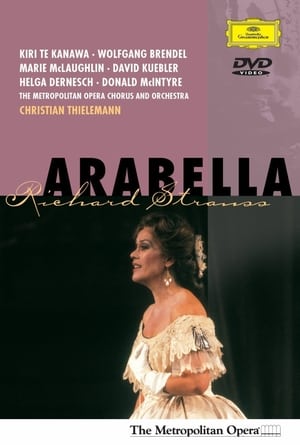
Arabella, Op. 79, is a lyric comedy or opera in three acts by Richard Strauss to a German libretto by Hugo von Hofmannsthal, their sixth and last operatic collaboration.
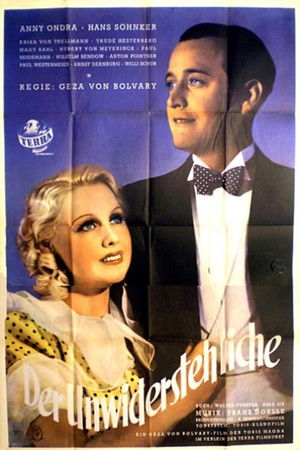
Der Unwiderstehliche