7362 is concerned with dividing and joining together. It begins with two black circles against a white background, knocking together and gradually moving further apart. The circles fade out, and return as white circles against black inside a square. Images similar to Rorschach blots appear. Gradually the viewer realizes that the images were not originally abstract, but were human forms (dancers, gymnasts, etc.), bridges, and others that have been split down the center of the frame, with their mirror images printed on either side of the split. Red, green, and white tints further abstract the images from their original foundations in the natural world, making dancers appear to be amoebas or dividing cells. The accompanying sound track is a mixture of electronic music and musique concrète ("real" recorded sounds manipulated to sound abstract).
Poème Électronique is an 8-minute piece of electronic music by composer Edgard Varèse, written for the Philips Pavilion at the 1958 Brussels World’s Fair. The Philips corporation commissioned Le Corbusier to design the pavilion, which was intended as a showcase of their engineering progress. The pavilion was shaped like a stomach, with a narrow entrance and exit on either side of a large central space. As the audience entered and exited the pavilion, the electronic composition Concret PH by Iannis Xenakis (who also acted as Le Corbusier's architectural assistant for the pavilion's design) was heard. Poème électronique was synchronized to a film of black and white photographs selected by Le Corbusier which touched on vague themes of human existence.
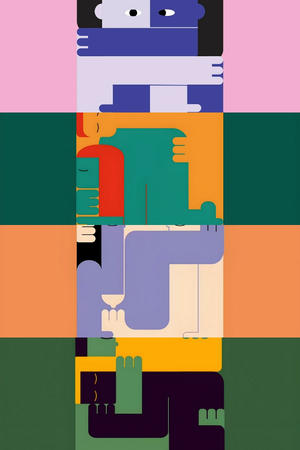
An animation short featuring various art styles about the loss of identity.
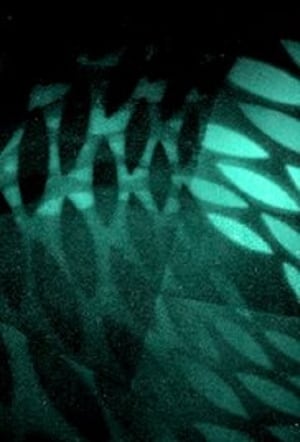
Sistiaga painted directly on 70mm film a circular (planetary?) form, around which dance shifting colours in a psychedelic acceleration matched by the soundtrack’s deep-space roar and howl. - Cinema Scope
Filmmakers use archival footage and animation to explore the culture surrounding nuclear weapons, the fascination they inspire and the perverse appeal they still exert.
The project explores urban edges as they correspond with the marginality of social groups who inhabit them. Distance, the anonymity of the architectural setup, decay, but also movement and interaction are subjects of a raw sketch that seeks to integrate a discussion about space and segregation into the discourse of the Common Good. The audio-visual language of the film uses a transparency and starkness of approach to reflect its subject matter. The fusion of architectural lines with sound through unexpected correspondences and synchronizations aims to generate a new kind of intermedial proposition.
A wordless dialogue between plaintive longing and everlasting love.
A experimental animated film featuring moving shapes and lines.
An mutoscope motion picture installation commissioned for the 86th anniversary of the Guggenheim museum. Later preserved and turned into a short film. Preserved by the Academy Film Archive in 2000.
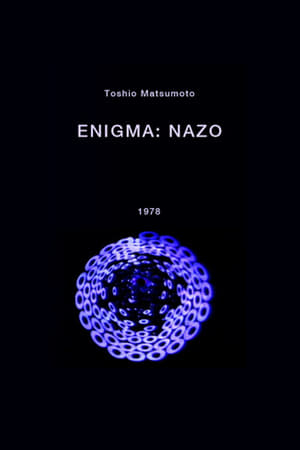
Enigma is something of a more glamorous version of White Hole, with a wide variety of elaborate textures (often composed of iconographic and religious symbols) converging towards the centre of the screen.
Fantaisie érotique
A trippy pop-art collage of phallic objects, naked women and American icons, most notably Elvis Presley.
Gifted
D'art moderne
This is a story of love seen from a square, in which a couple gets united, separated and rearranged again. A special kind of puzzle.
La Vénus de Rabo
The Boyg is the voice within that whispers go around, preventing you from facing yourself, suffocating progress and initiative. A six minute visual and musical remix of Ibsens Peer Gynt, Norwegian Folklore, Edvard Griegs composition, paralyzing panic attacks and The Great Boyg itself who finds us all.
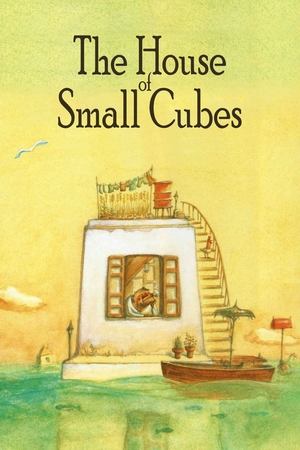
La Maison en Petits Cubes tells the story of a grandfather's memories as he adds more blocks to his house to stem the flooding waters.
Short animation by Shynola & Ruth Lingford
In 1971, graduate student Gloria Orenstein received a call from Surrealist artist Leonora Carrington that sparked a lifelong journey into art, ecofeminism and shamanism. This short film uses art, animation and storytelling to celebrate this wild adventure. Now more than 40 years later, award-winning Dr. Gloria Feman Orenstein is a feminist art critic and pioneer scholar of women in Surrealism and ecofeminism in the arts. Her delightful tale brings alive an often unseen history of women in the arts.