A collectively made filmic opera in 35 parts. The Black and predominantly queer art collective, an evolving line up of poets and artists from across the world, abstracts and reimagines opera in any traditional conception. Set to hip-hop, blues, noise, R&B and electronica, the piece uses the voice (chanting, singing, screaming; written by poet and activist Dawn Lundy Martin) as its primary tool, verbalising centuries of alienation, vulnerability and protest in the global African diaspora through its disruptive libretto.
A Broadway musical comedy star tires of the same old grind and flees the city. She runs into the skipper of a showboat who befriends her, and they make plans to put together a musical revue. But a competing carnival owner hatches a scheme to put an end to the show before it begins.
Tutu Revisited is a wonderful showcase for the exceptional bass skills of Marcus Miller and represents his homage to the timeless music of Miles Davis. Before an appreciative audience in Lyon (France), Marcus and his band settle into a comfortable groove of funk & rhythm and interact with each other very effectively. Christian Scott's trumpet recalls much of the timbre and subtlety of Miles, but with his own unique "whispering" style of playing. Quite a virtuoso and extraordinary talent in his own rite.
Containing a vibrant concert by the Miles Davis Band featuring Keith Jarrett.
Miles Davis performing live at Berkshire Music Center, Tanglewood Massachusetts on August 18, 1970. Miles Davis tp / Chick Corea el-p / Keith Jarrett org / Gary Bartz ss, as / Dave Holland el-b / Jack DeJohnette dr / Airto Moreira perc 1. Directions 2. Bitches Brew 3. The Mask 4. It's About That Time 5. Sanctuary 6. Spanish Key 7. Miles Runs The Voodoo Down
Atlanta musicians behind some of the biggest names in music embark on an uncertain journey into the spotlight with a new genre of music that fuses trap music with jazz.
Art Kane, now deceased, coordinated a group photograph of all the top jazz musicians in NYC in the year 1958, for a piece in Esquire magazine. Just about every jazz musician at the time showed up for the photo shoot which took place in front of a brownstone near the 125th street station. The documentary compiles interviews of many of the musicians in the photograph to talk about the day of the photograph, and it shows film footage taken that day by Milt Hinton and his wife.
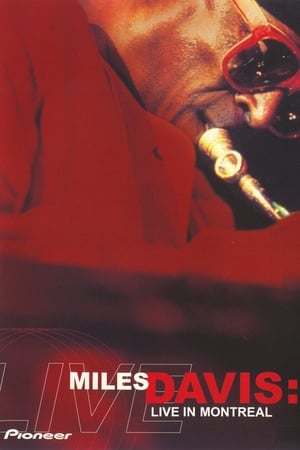
From the mid-fifties to his death in the early nineties, Miles Davis was universally recognized as one of the most innovative musicians working in Jazz. He was also one of the most popular with his albums regularly breaking into the pop charts and he picked up a total of eight Grammy Awards. He also launched the careers of many jazz musicians including Herbie Hancock, Wayne Shorter, Chick Corea, Billy Cobham, John McLaughlin and many more. This concert, filmed in Munich in 1987, followed the release of his Grammy Award winning album Tutu and the set list features two tracks from that record, the title track and Portia , plus his unique arrangements of Michael Jackson's Human Nature and Cyndi Lauper's Time After Time.
Starting from the determination and great desire to create a music concert to embrace peace in Ambon City, Glenn ultimately gave up all his income to hold the concert.
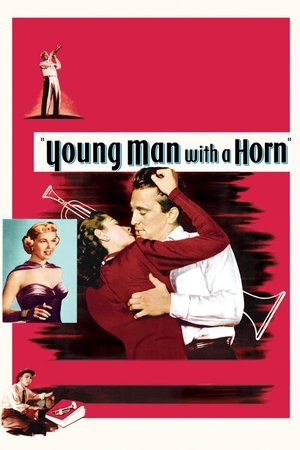
A loose fictitious of Charlie Parker's last years and a portrait of the jazz scene in 1960's New York. A black jazz musician bent on self destruction forms an odd friendship with a white college professor full of feeling sorry for himself.
A tribute to Charles Mingus.
Throughout three decades, Bill Laswell has been a constant innovator, fusing seemingly disparate genres into a whole new sound. Touching upon everything from worldbeat, funk, rock, hip-hop and jazz, there are no limits to his experimental approach. Among his many talents is his ability to bring together well-matched singers and players to create a distinct style that defies easy classification. His Soundstage episode embodies his unique approach, transcending any genre boundaries and delivering an engaging performance. From the World Beat of Tabla Beat Science, to the jazzy flavors of Pharoah Sanders backed by Material, it’s an exciting mix. Other surprises include a rocking Buckethead set that includes a little breakdancing and songs by Praxis. The show culminates with an all-star performance, funked up by Bootsy Collins.
Tracklisting: 1. Pound for a Brown 2. Baby Snakes 3. Deathless Horsie 4. Dancin' Fool 5. Easy Meat 6. Honey Don't You Want A Man Like Me 7. Keep It Greasey 8. Why Does It Hurt When I Pee? 9. Sofa #2 10. Vinnie's Seal Call Fusion Music 11. Bobby Brown 12. Conehead 13. Dead Air/I'm On Duty 14. St. Alphonzo's Pancake Breakfast 15. Father Oblivion 16. Rollo 17. Bamboozled Outro
1950s Soho beats with far more energy than its 21st century counterpart in this vivid time capsule.
In King for Two Days, filmmaker Noah Hutton chronicles drummer Dave King's (The Bad Plus, Happy Apple) two-night concert at the Walker Art Center in Minneapolis, MN, featuring five of the groups he drums in. Through rehearsals, interviews with the musicians, and concert excerpts, a world emerges where the concept of the band is held above the need for individual showmanship, a rarity in jazz.
During the same summer as Woodstock, over 300,000 people attended the Harlem Cultural Festival, celebrating African American music and culture, and promoting Black pride and unity. The footage from the festival sat in a basement, unseen for over 50 years, keeping this incredible event in America's history lost — until now.
This legendary performance by Van Morrison and The Caledonia Soul Orchestra was filmed at The Rainbow in London in July, 1973. Previously unissued, it stands as one of the greatest live shows by any band.
This short film shows the musical career of Nat "King" Cole, shows the ups and downs of his career, his conquest of illness, how he switched from being the leader of a trio to a solo vocalist, and his growing popularity with the record-buying public. Numbers include: "Sweet Lorraine," "Route 66," "That's My Girl" and "Pretend."
Multi-faceted artist Phil Niblock captures a brief moment of an interstellar communication by the Arkestra in their prime. Black turns white in a so-called negative post-process, while Niblock's camera focuses on microscopic details of hands, bodies and instruments. A brilliant tribute to the Sun King by another brilliant supra-planetary sovereign. (Eye of Sound)
Madrid, Spain, June 30th, 2016. Rafael and José Luis jam a crazy one-day trip in search of the city's jazz scene, meeting the musicians, the club owners, the audience, the true believers who tell the story from the beginning, back in the 1950s, until the last breath of this memorable day.