In 1999, Internet entrepreneur Josh Harris recruits dozens of young men and women who agree to live in underground apartments for weeks at a time while their every movement is broadcast online. Soon, Harris and his girlfriend embark on their own subterranean adventure, with cameras streaming live footage of their meals, arguments, bedroom activities, and bathroom habits. This documentary explores the role of technology in our lives, as it charts the fragile nature of dot-com economy.
This is the true story of a love triangle that takes place entirely online. Lies lead to murder in real life, as a teenage vixen (screen name 'talhotblond') lures men into her web. Revealing a shocking true crime story that shows the Internet's power to unleash our most dangerous fantasies.
A documentary that follows three women who perform via webcam to paying customers.
Friends since high school, 20-somethings Kaleil Isaza Tuzman and Tom Herman have an idea: a Web site for people to conduct business with municipal governments. This documentary tracks the rise and fall of govWorks.com from May of 1999 to December of 2000, and the trials the business brings to the relationship of these best friends. Kaleil raises the money, Tom's the technical chief. A third partner wants a buy out; girlfriends come and go; Tom's daughter needs attention. And always the need for cash and for improving the site. Venture capital comes in by the millions. Kaleil is on C-SPAN, CNN, and magazine covers. Will the business or the friendship crash first?
A documentary with the three cinematographers known for breaking away cinema away from celluloid with the introduction of digital video.
From June 2021 to June 2022, Justin "Jastun" Bland records whatever that is in front of him. He presents an abstract montage of collected videos varying from onscreen recordings to filming special, intimate & mundane in-real-life moments. This short captures our daily routines in life and how we choose to spontaneously record them.
A documentary in 10 chapters, built around interviews addressing the complex topic of personal data: how we use the web, the excesses, hopes brought by GDPR, local solutions, etc. The documentary is available on Peertube instances: https://peertube.fr/videos/watch/ea2d5153-4704-4a6e-8a13-d09a411c9760
In this PBS documentary, technology experts Gina Smith and John Levine provide a light, plain English introduction to the Internet, World Wide Web and related technologies for work and home use.
THE PEOPLE'S CLOUD is a web-based six-part documentary series that gets to the bottom of the internet; investigating the ecology and impact of cloud computing on the lives of those who use it, the places it is physically located in and the people who work to maintain it.
From leaving Egypt 10 years ago, to almost dying a month ago in a car accident. This film is about the journey in between and the massive role the internet played in the life of prominent Youtuber and Yes Theory co-founder Ammar Kandil.
17.10.61
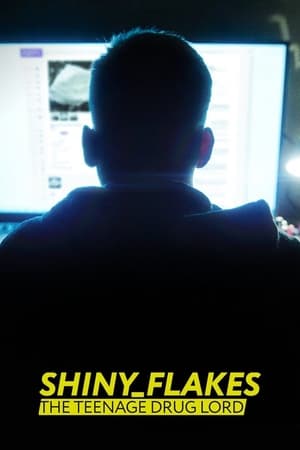
Max S. reveals how he built a drug empire from his childhood bedroom in this story that inspired the series "How to Sell Drugs Online."
On June 11th, 1997, Philippe Kahn created the first camera phone solution to share pictures instantly on public networks. The impetus for this invention was the birth of Kahn's daughter, when he jerry-rigged a mobile phone with a digital camera and sent photos in real time. In 2016 Time Magazine included Kahn's first camera phone photo in their list of the 100 most influential photos of all time.
An experimental documentary about the spectacle of substance abuse on social media. More than 45 hours of footage, hundreds of pages of blog posts and interviews were distilled and remixed using glitch and cut-up techniques to insure anonymity, transcend the shock factor and unfold this complex, singular and stratified use of social media.
A user is browsing the Internet looking for a job and, suddenly, finds himself caught up in a spiral of excessive and simultaneous content consumption.
This documentary-drama hybrid explores the dangerous human impact of social networking, with tech experts sounding the alarm on their own creations.
ROAMERS accompanies different characters on their way through the countries and social media feeds of this world: From the celebrated video blogger from Palestine who quit his lucrative job at PayPal in favor of as much life experience as possible, to the former young top manager who gave up her business in Switzerland and her marriage for the adventure of a round-the-world trip, to the Argentinean couple who use their computer science skills acquired at IBM to distribute self-produced porn videos online "on demand" and thus finance their trip around the world. As digital nomads who become the creators of their impressive life stories on their own initiative, they are all sounding out the boundaries of a new era: between personal freedom and the dependence on algorithms and wifi, between self-fulfillment and self- exploitation - in search of meaning and support in a world that offers ever more possibilities and yet also seems increasingly fragmented.
One of the first works by María Cañas, an excessive metadiscursive exercise on the “pig character” of current information and archive culture.
Cryptopia: Bitcoin, Blockchains and the Future of the Internet takes a deep dive into the crypto ecosystem and blockchain technology to discover the good, the bad and the ugly of this controversial industry, its major narratives, conflicts and the major players behind it. Can blockchain technology be used to create a new, fairer, decentralised and uncensored web3.0 where we can control our data and protect our online identities? Or will the potential be squandered as mega corporations once again compete for dominance in this new field. With his unrivalled and exclusive access, award-winning filmmaker Torsten Hoffman (Bitcoin: The End of Money as We Know It) takes us on a journey into the heart of this brave new world.
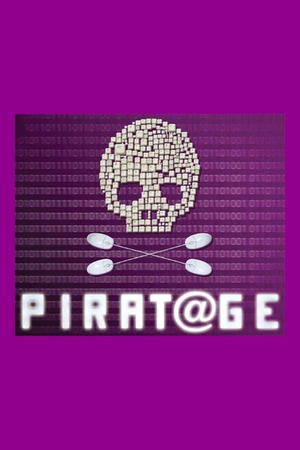
The documentary Pirat@ge traces the history of the Internet through the testimonies of those who built it: the hackers. It delves into the concerns of Generation Y, analyzing their networked communication methods, cultural consumption habits, and the sharing of such content.