The world couldn't keep its eyes off two athletes at the 1994 Winter Games in Lillehammer - Nancy Kerrigan, the elegant brunette from the Northeast, and Tonya Harding, the feisty blonde engulfed in scandal. Just weeks before the Olympics on Jan. 6, 1994 at the U.S. Figure Skating Championships, Kerrigan was stunningly clubbed on the right knee by an unknown assailant and left wailing, "Why, why, why?" As the bizarre "why" mystery unraveled, it was revealed that Harding's ex-husband, Jeff Gillooly, had plotted the attack with his misfit friends to literally eliminate Kerrigan from the competition. Now two decades later, THE PRICE OF GOLD takes a fresh look through Harding's turbulent career and life at the spectacle that elevated the popularity of professional figure skating and has Harding still facing questions over what she knew and when she knew it.
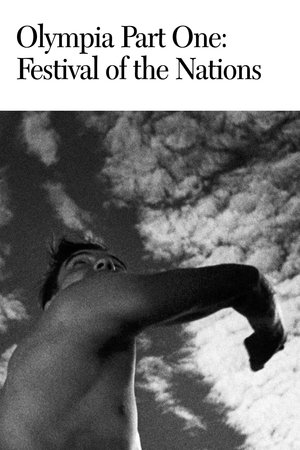
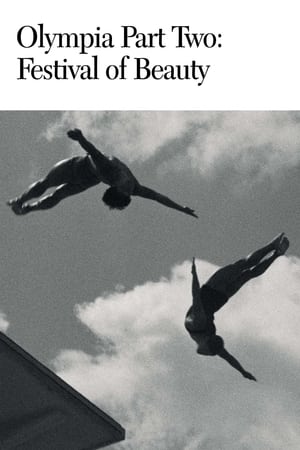
Starting with a long and lyrical overture, evoking the origins of the Olympic Games in ancient Greece, Riefenstahl covers twenty-one athletic events in the first half of this two-part love letter to the human body and spirit, culminating with the marathon, where Jesse Owens became the first track and field athlete to win four gold medals in a single Olympics.
Through the second half of the 1960's the Beat movement and the first National Rock were the flagship of the youth, leaders as never before of a society in transformation. The formation of the first bands, the venues for concerts, the difficulties to sing rock in Spanish and interact with other artists create new ways to communicate previously unavailable. This documentary presents the story of these first pioneers of the Argentinean rock music.
Part two of Leni Riefenstahl's monumental examination of the 1938 Olympic Games, the cameras leave the main stadium and venture into the many halls and fields deployed for such sports as fencing, polo, cycling, and the modern pentathlon, which was won by American Glenn Morris.
On Saturday, July 27, 1996, a terrorist’s bomb exploded in Centennial Olympic Park at the Atlanta Summer Games, killing two and injuring 111. The toll would have been far higher if not for security guard Richard Jewell, who discovered the bag holding the bomb and helped clear the area. Yet within hours, praise of his heroism turned to vicious accusations. Jewell would be hounded for months by investigations and the media. Eventually, the FBI would capture and convict Eric Robert Rudolph for the crime. Judging Jewell revisits the scene in Atlanta where Richard Jewell, a man simply doing his job, lost the one thing he valued most — his honor.
Having stood on the gold medal podium a record 8 times during one Olympic Games, Michael Phelps now stands alone as the the greatest Olympic champion in history. With exclusive interviews and commentary, Michael takes us on his personal journey to Olympic stardom. Includes all his races and special behind-the-scenes footage.
Welcome to a hard driving video about the biggest winners of all, the athletes and teams who broken records in their sports.
This documentary profiles the life and career of Pat Summitt, the NCAA's winningest basketball coach, who resigned from her post at the University of Tennessee in 2012 due to early-onset Alzheimer's disease.
Join two of basketball's greatest legends Red Auerbach and Larry Bird, as they share their knowledge, insight, and experience in this action packed, highly instructive, and entertaining look at "America's Game."
Mission: Neno
A girls' basketball team in Iceland push against societies expectations under the guidance of an unconventional coach, Brynjar Karl Sigurðsson. The team are ready to change the world, but is the world ready for them?
Ricky Espinosa: El Documental
Buenos Aires is a complex, chaotic city. It has European style and a Latin American heart. It has oscillated between dictatorship and democracy for over a century, and its citizens have faced brutal oppression and economic disaster. Throughout all this, successive generations of activists and artists have taken to the streets of this city to express themselves through art. This has given the walls a powerful and symbolic role: they have become the city’s voice. This tradition of expression in public space, of art and activism interweaving, has made the streets of Buenos Aires into a riot of colour and communication, giving the world a lesson in how to make resistance beautiful.
After the fall of the military dictatorship in 1983, successive democratic governments launched a series of reforms purporting to turn Argentina into the world's most liberal and prosperous economy. Less than twenty years later, the Argentinians have lost literally everything: major national companies have been sold well below value to foreign corporations; the proceeds of privatizations have been diverted into the pockets of corrupt officials; revised labour laws have taken away all rights from employees; in a country that is traditionally an important exporter of foodstuffs, malnutrition is widespread; millions of people are unemployed and sinking into poverty; and their savings have disappeared in a final banking collapse. The film highlights numerous political, financial, social and judicial aspects that mark out Argentina's road to ruin.
The story of the first Hungarian NBA player.
An in-depth look at the legendary point guards of New York City who honed their craft and developed their legendary showmanship in the 1980s and ’90s. The documentary spotlights the ascent of Rafer Alston, Kenny Anderson, Mark Jackson, Stephon Marbury, God Shammgod, Kenny Smith, Rod Strickland and Dwayne “Pearl” Washington in the midst of a cultural renaissance.
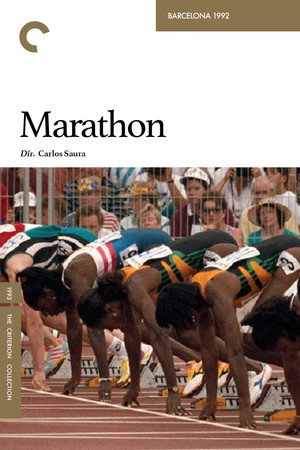
A documentary covering the 1992 Olympic Games in Barcelona.
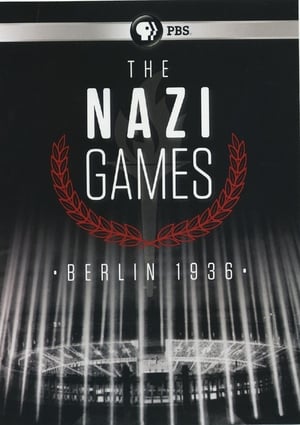
The film chronicles the story of how the Nazis and the IOC turned, to their mutual benefit, a small sports event into the modern Olympics. The grand themes and controversial issues from the 1936 Games have continued to this day: Monumentality, budget overruns, collusion with authoritarian regimes, corruption and sometimes even bribery.
Summer 1936 - The Berlin Olympics, organized by the Nazi regime on the eve of World War II, acted as a grand showcase for a Germany that was athletic, peaceful and rejuvenated. The violence and hate that until then had reigned in the streets of Berlin suddenly vanished. Adolf Hitler became the triumphant host of European countries he would soon try to invade or face in a deadly global conflict.
In the wake of the COVID-19 pandemic, the 2020 WNBA season pivoted into a bubble site in Bradenton, Florida – where 144 players across 12 teams convened to face the rigors of an unrelenting schedule and finish their battle for a championship; all while just as dedicated to amplify social activism in response to the injustices that gripped that same summer. A documentary from ESPN Films.