Herlinda Augustin is a Shipibo healer who lives with her family in Peruvian Amazonia. Will she and other healers be able to maintain their ancient tradition despite Western encroachment?
On August 9, 2016, a young Cree man named Colten Boushie died from a gunshot to the back of his head after entering Gerald Stanley's rural property with his friends. The jury's subsequent acquittal of Stanley captured international attention, raising questions about racism embedded within Canada's legal system and propelling Colten's family to national and international stages in their pursuit of justice. Sensitively directed by Tasha Hubbard, "nîpawistamâsowin: We Will Stand Up" weaves a profound narrative encompassing the filmmaker's own adoption, the stark history of colonialism on the Prairies, and a vision of a future where Indigenous children can live safely on their homelands.
Steeped in the long oral tradition of Waorani storytelling, Gange Yeti shares her own coming-of-age story as a young Waorani woman living deep within the Amazon rainforest. Following Gange and her community for over 11 years, the film captures her transition from a quiet teenager into a confident young mother at a critical turning point for her culture and rainforest. As the granddaughter of one of the last Waorani elders that lived in complete isolation before outside contact, Gange is determined to capture her grandmother’s unique experience while she still can -- balancing school, motherhood, and tradition along the way.
INAATE/SE/ re-imagines an ancient Ojibway story, the Seven Fires Prophecy, which both predates and predicts first contact with Europeans. A kaleidoscopic experience blending documentary, narrative, and experimental forms, INAATE/SE/ transcends linear colonized history to explore how the prophecy resonates through the generations in their indigenous community within Michigan’s Upper Peninsula. With acute geographic specificity, and grand historical scope, the film fixes its lens between the sacred and the profane to pry open the construction of contemporary indigenous identity.
This short documentary revisits Mi’kmaq territory, where an iconic moment was captured in 2013—igniting into a symbol of Indigenous resistance and halting fracking exploration on unceded lands.
A documentary of insect life in meadows and ponds, using incredible close-ups, slow motion, and time-lapse photography. It includes bees collecting nectar, ladybugs eating mites, snails mating, spiders wrapping their catch, a scarab beetle relentlessly pushing its ball of dung uphill, endless lines of caterpillars, an underwater spider creating an air bubble to live in, and a mosquito hatching.
Poet Layli Long Soldier crafts a searing portrait of her Oyate’s connection to the Black Hills, through first contact and broken treaties to the promise of the Land Back movement, in this lyrical testament to resilience of a nation.
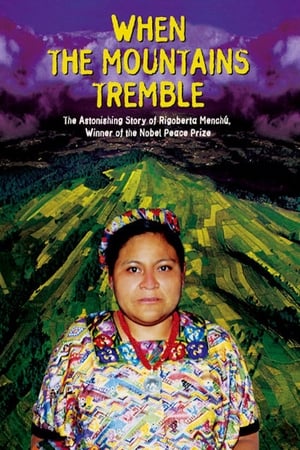
A documentary on the war between the Guatemalan military and the Mayan population, with first hand accounts by Nobel Peace Prize winner Rigoberta Menchú.
Takes us to locations all around the US and shows us the heavy toll that modern technology is having on humans and the earth. The visual tone poem contains neither dialogue nor a vocalized narration: its tone is set by the juxtaposition of images and the exceptional music by Philip Glass.
More than an attachment to our territory, the Innu live a filial relationship with Nitassinan, our ancestral homeland. For so many generations, the land has nourished, cared for and raised us. It has inspired our language, our culture, our lifeway and our vision of the world. Throughout the seasons, our ancestors criss-crossed the territory on foot, by canoe or on snowshoes. They knew every river, lake, or stream; every mountain, hill or bog; every camp, trail and portage path. Nomadism forged our people, and the film will record this journey and our history – past, present and future. And while it will attest to our vitality and resilience it is also – and above all – a tribute and a message of respect for the Earth.
A documentary road movie. Traveling across his homeland, the filmmaker explores what Yakut cinema is, and what it means to the Sakha people and to himself.
A compelling study of the Hopi that captures their deep spirituality and reveals their integration of art and daily life. Amidst beautiful images of Hopi land and life, a variety of Hopi — a farmer, a religious elder, a grandmother, a painter, a potter, and a weaver — speak about the preservation of the Hopi way. Their philosophy of living in balance and harmony with nature is a model to the Western world of an environmental ethic in action.
In the Bella Coola Valley, a haunting legend endures through generations as a filmmaker reckons with whether the stories of her ancestors can survive being held or if they were never meant to be captured.
A documentary film exploring an untold part of Canada’s past through the eyes of Inuk artist and filmmaker Elisapie Isaac. After facing a moral dilemma, Elisapie sets out to meet others who, like her, are “Hudson Baybies,” the children born of the mixed unions between Indigenous women and Hudson’s Bay Company employees working in trading posts and general stores across the North.
Aoskway, sur les traces de l’orignal
A paralysingly beautiful documentary with a global vision—an odyssey through landscape and time—that attempts to capture the essence of life.
Still photographs and narration give an overview of the history of the American Indian.
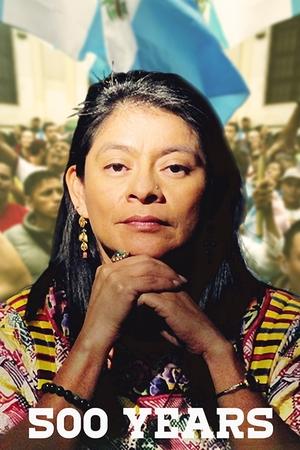
From a historic genocide trial to the overthrow of a president, the sweeping story of mounting resistance played out in Guatemala’s recent history is told through the actions and perspectives of the majority indigenous Mayan population, who now stand poised to reimagine their society.
Noemí, an Ayuukjä'äy woman reflects on the loss of her native tongue with a voice that blends into day to day life in Cerro Costoche community located in the Mixe mountain rage of Oaxaca.
Documents the conflicts and tensions that arise between highland migrants and Mosetenes, members of an indigenous community in the Bolivian Amazon. It focuses particularly on a system of debt peonage known locally as ‘habilito’. This system is used throughout the Bolivian lowlands, and much of the rest of the Amazon basin, to secure labor in remote areas.