Six survivors of sexual abuse speak of the consequences of growing up with the secret of their abuse.
A lonely telephone operator leading an empty, amoral life finds God – only to have her faith continually tested in ways beyond what she could have imagined.
Kadhafi, la folie d'un dictateur
Tautavel : vivre en Europe avant Néandertal
Despite being closed to the public, on Tuesdays at the Louvre Museum in Paris, the day is busier than ever.
Investigates the politics of cinematic shot design, and how this meta-level of filmmaking intersects with the twin epidemics of sexual abuse/assault and employment discrimination against women, with over 80 movie clips from 1896 - 2020.
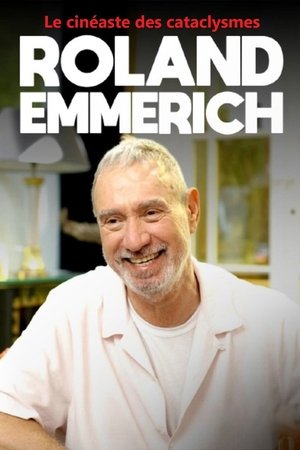
Roland Emmerich himself and many of his companions provide insights into his life. With films such as Independence Day, 2012, and The Day After Tomorrow, he probably became the most successful director of disaster movies. But there were also failures.
An unflinching and deeply personal journey into the life and work of guitarist Eric Clapton told through his own words and songs.
Béatrice Dalle, à prendre ou à laisser
An investigative journalist uncovers the money, influence, and alarming rationale behind covert land grabs by some of the world’s most powerful countries.
This collection of short films represents a hint of the tectonic shift in the underground film world in connection with the punk rock “movement.” Restored from original negatives, it showcases the reasonably well-known alongside the extremely rare, from music shorts to impressionistic documentary.
A documentary on Al Gore's campaign to make the issue of global warming a recognized problem worldwide.
This documentary looks back on a career of a woman who, very early on, refused to accept the roles assigned to her. In the 1980s, while others were trying to please, she wrote "Les hommes préfèrent les grosses" (Men Prefer Fat Women), a manifesto ahead of its time, funny, feminist, and blunt. Later, with "Gazon maudit" (Damned Grass), she tackled homosexuality with a freedom that is still shocking today.
A portrait of the life and career of Robert Downey Sr. (1936-2021), the visionary and fearless US filmmaker — father of actor Robert Downey Jr. — who in the sixties and seventies laid the foundations for countercultural comedy.
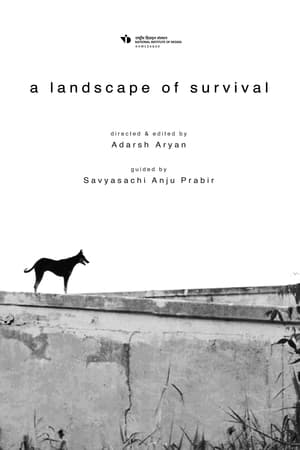
An observational documentary follows a pack of canines inhabiting the dynamic crossroads between the urban landscape and the natural world along the banks of the Sabarmati River, Ahmedabad.
In 1949 one name dominates the headlines: Bruno Gröning. Newspapers print special editions, radio and newsreels report about him. A film is made. Wherever he goes, thousands of people throng from all over to see him. Gröning becomes an international sensation. Most of those who come to him are not fans or followers. They are sick people. Beaten down by war, given up on by doctors, these people had only one wish: to become healthy, free from suffering and pain. They want Bruno Gröning to help them. And he does help them. “There is no incurable‒ God is the greatest physician!” Those are his words. And the inconceivable happens. The documentary film “The Phenomenon Bruno Gröning” traces the dramatic events of that time with original film and sound recordings, archival material, more than 50 eyewitness interviews, as well elaborate film re-enactments. Gröning died in 1959 but extraordinary healings are still occurring today.
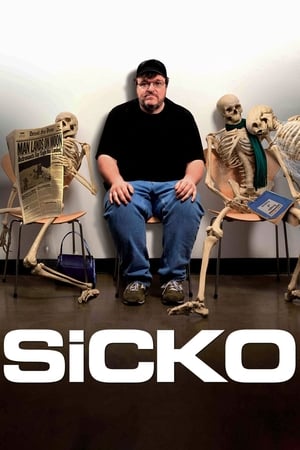
A documentary about the corrupt health care system in The United States whose main goal is to make profit even if it means losing people’s lives. "The more people you deny health insurance, the more money we make" is the business model for health care providers in America.
Wirklich alles?!
Explores the Real Presence of Christ in the Eucharist through biblical origins, expert insights, and personal testimonies, revealing the Eucharist's transformative power for those who believe.
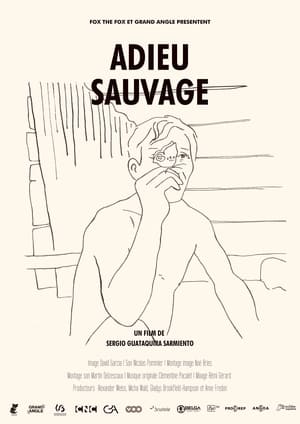
Since the year 2000, there have been several waves of suicides among the indigenous population of the Colombian Amazon. I discovered that the men commit suicide because of love sorrow. Their wives leave them for white men. The latter think that the Indian feels nothing because they do not express themselves in the same way and, in their language, there are no words to describe feelings. Is it possible that a whole people, the Cácuas Indians, do not feel anything?