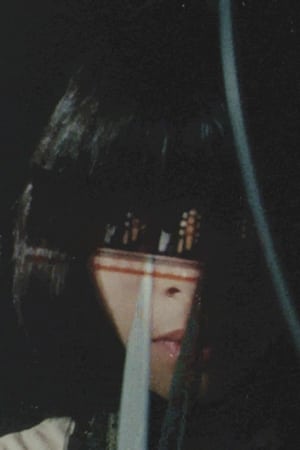
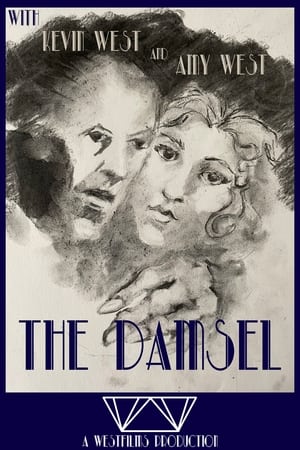
Nearly devoid of editing resources, the videos feature single shots of anonymous people in daily life, subtly revealed/highlighted through zooming. Instead of uncovering reality, though, the videos end up turning it into pure invention. The “videorhizomes” are not limited to production and screening in regular, traditional circuits. The process includes sending the videos to a person that is randomly chosen from the phone book.
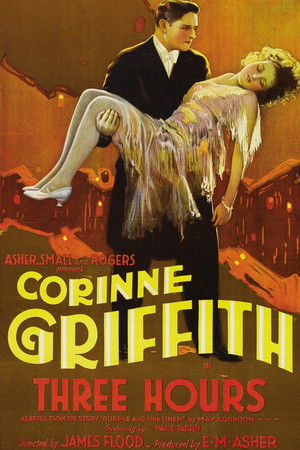
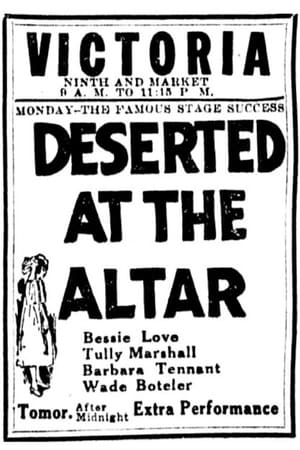
Left penniless by her vengeful ex-husband, Madeline is forced to become a pickpocket to pay for a new wardrobe. One of her victims is a Mr. Finlay, who threatens to turn her over to the police -- until he hears Madeline's woeful tale of her cruel, possessive husband.
A young man gets engaged to a business competitor's daughter.
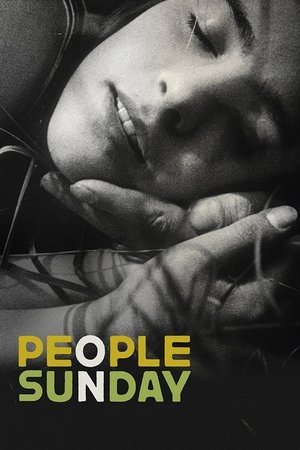
A semi-documentary experimental 1930 German silent film created by amateurs with a small budget. With authentic scenes of the metropolis city of Berlin, it's the first film from the later famous screenwriters/directors Billy Wilder and Fred Zinnemann.
One of Han Ok-hee’s renowned pieces called The Hole uses the flicker, oblique angles, the cross-cutting of reality and fantasy to express inner entrapment and the desire for liberation. Han Ok-hee’s The Hole, The Rope and Untitled not only experimented with cinematic forms of expression, but also played an important role in the protest against forms of expression in experimental films and the artistic protest against the social suppression and censorship in 1970s Korea. (Art Cinema OFFoff)
The film contains the despair of an artist’s desire for creation on ruthless censorship, rebel, and anxiety in the mid-70s when it was politically and socially depressed.
Educational short film about the solar eclipse
When a thirsty sanguisuge emerges from a century long slumber, he finds the world and his helpless victims terrifyingly changed.
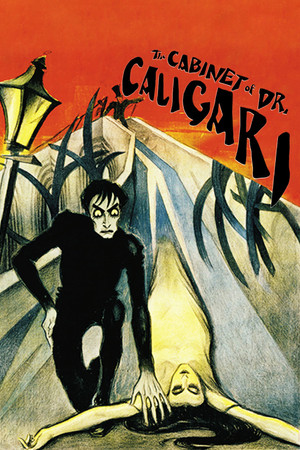
Francis, a young man, recalls in his memory the horrible experiences he and his fiancée Jane recently went through. Francis and his friend Alan visit The Cabinet of Dr. Caligari, an exhibit where the mysterious doctor shows the somnambulist Cesare, and awakens him for some moments from his death-like sleep.
A day in the city of Berlin, which experienced an industrial boom in the 1920s, and still provides an insight into the living and working conditions at that time. Germany had just recovered a little from the worst consequences of the First World War, the great economic crisis was still a few years away and Hitler was not yet an issue at the time.
Half lullaby for the dead, half lamentation on the twilight of the cinema.
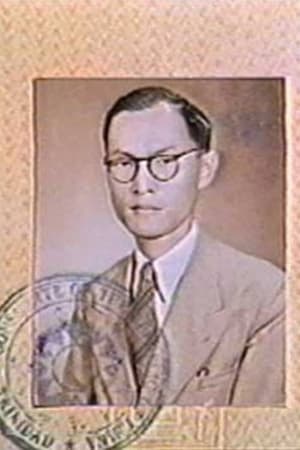
In the fall of 1986, Richard Fung made his first visit to his father's birthplace, a village in southern Guangdong, China. This experimental documentary examines the way children of immigrants relate to the land of their parents, and focuses on the ongoing subjective construction of history and memory. The Way to My Father's Village juxtaposes the son's search for his own historical roots, and his father's avoidance of his cultural heritage.
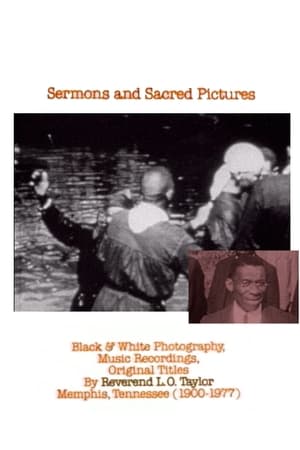
"An experimental documentary on Reverend L.O. Taylor, a black Baptist minister from Memphis, Tennessee who was also an inspired filmmaker with an overwhelming interest in preserving the social and cultural fabric of his own community in the 1930′s and 40s. I combine his films and music recordings with my own images of Memphis neighborhoods and religious gatherings" -Sachs
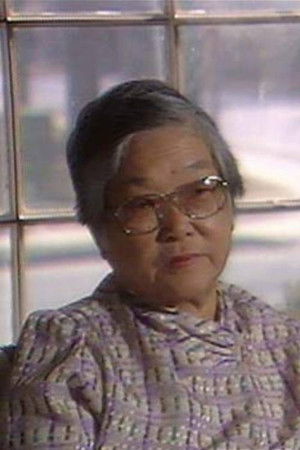
My Mother's Place is an experimental documentary focusing on the artist's mother, a third-generation Chinese-Trinidadian who at 80 still has vivid memories of a history lost or quickly disappearing. She conveys these with a storytelling style and a frankness that is distinctly West Indian. A tape about memory, oral history, and autobiography, My Mother's Place interweaves interviews, personal narrative, home movies, and verité footage of the Caribbean to explore the formation of race, class, and gender under colonialism.
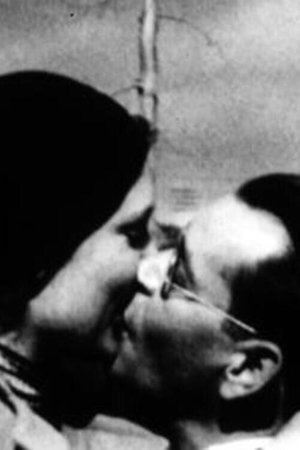
Covert Action is a stunning melange of rapid-fire retro imagery accomplishing Child’s proclaimed goal to "disarm my movies." "I wanted to examine the erotic behind the social, and remake those gestures into a dance that would confront their conditioning and, as well, relay the multiple fictions the footage suggests (the ‘facts’ forever obscured in the fragments left us). The result is a narrative developed by its periphery, a story like rumor: impossible to trace, disturbing, explosive."
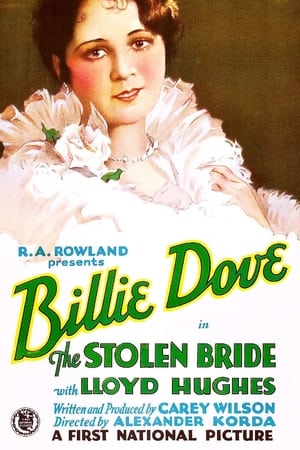
The daughter of a count and the son of a shoemaker, both Hungarian, fall in love in America. As they're about to marry, the young woman is called back to Europe. When her betrothed goes after her, difficulties ensue.
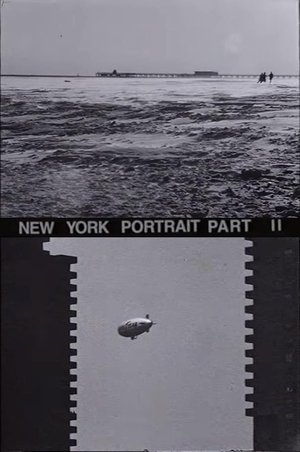
Chapter Two represents a continuation of daily observations from the environment of Manhattan compiled over a period from 1980-1981. This is the second part of an extended life's portrait of New York.
Anna Moore, a poor orphaned country girl, and her little brother, Tommy, live with hypocritical Squire Simpson, who conspires with his son to acquire the inheritance due the girl.
shows visual and metaphorical representation using rope as a motif through various rope images and meanings.