In the 1980s, Algeria experienced a tumultuous social context which reached its peak during the riots of October 88. This wave of protest, with youth as its figurehead, echoed the texts of raï singers. Thirst for freedom, misery of life and the aspirations of youth are among the main themes of their works which will inspire an entire generation. More than music, raï celebrates the Arabic language and becomes a vector of Algerian culture, thus providing the cultural weapons of emerging Algerian nationalism With Cheb Khaled, Cheb Mami and Chaba Fadela as leaders of the movement, raï is also a way of telling and reflecting the essence of Algeria in these difficult times. While the threat weighs on artists in Algeria, their exile allows raï to be exported internationally and thus, to bring the colors of Algeria to life throughout the world.
The documentary tells how, during the 1980s, a cultural phenomenon emerged and developed in Galicia that would eventually become known as the Movida Gallega.
A documentary about Basque Radical Rock. Its name comes from a song by the well-known and successful band Hertzainak, which is also referenced in the documentary, along with the work of other rock bands and singer-songwriters. The documentary features interviews with musicians who played rock from mid-1975 to 1990. There are 23 interviews in total, with musicians from bands such as Barricada, Hertzainak, Itoiz, Zarama... In addition, the documentary includes spectacular images from that period, as the rock boom was linked to different movements in the Basque Country: gaztetxes (youth clubs), free radio stations, and fanzines. The documentary is a portrait of the youth who had just emerged from the dictatorship.
Time Is Illmatic is a feature length documentary film that delves deep into the making of Nas' 1994 debut album, Illmatic, and the social conditions that influenced its creation.
30 years after Basic Instinct, Sharon Stone is still stigmatized for her role as a sexual psychopath. But the Oscar nominee has always fought against domination. She embodies the independent woman of the 21st century, who refuses to be invisibilized and a "passive" object, subjected only to the male gaze.
Experience the thrill as your favorite teams and heroes triumph again! Great comebacks, rivalries and record-breaking performances are here to watch over and over again.
A student's increasingly intimate line of questioning causes his interview with a local horror host to take a vulnerable turn.
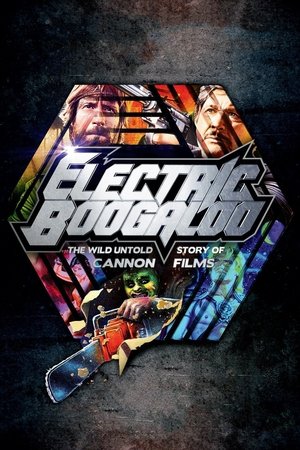
A roller-coaster ride through the history of American exploitation films, ranging from Roger Corman's sci-fi and horror monster movies, 1960s beach movies, H.G. Lewis' gore-fests, William Castle's schlocky theatrical gimmicks, to 1970s blaxploitation, pre-"Deep Throat" sex tease films, Russ Meyer's bosom-heavy masterpieces, etc, etc. Over 25 interviews of the greatest purveyors of weird films of all kind from 1940 to 1975. Illustrated with dozens of films clips, trailers, extra footage, etc. This documentary as a shorter companion piece focusing on exploitation king David F. Friedman.
Documentary on Les Charlots, known as The Crazy Boys in the English-speaking world, a group of French musicians, singers, comedians and film actors who were popular in the 1960s, 1970s, and early 1980s.
Kim Novak never dreamed on being a star, but she became one. Most famous for her enigmatic performance in Hitchcock’s Vertigo (1958), the Chicago-born actress never quite fitted into the Hollywood mould and wanted to do things her own way.
ABBA Silver, ABBA Gold takes Abba from the Swedish heats of the 1974 Eurovision Song Contest, where their song 'Waterloo' swept all before it, right up to today's new CGI performances.
Le Diable de la République : 40 ans de Front national
Behind the scenes of the filming of a film on climbing a cliff by Patrick Berhault and Georges Unia on the parishes of the route "La Tête de Chien" in Monaco. Director Laurent Chevallier explains the difficulties of filming at height, the kind of shots that are suitable and the specifications of equipment suitable for filming on a cliff.
Kate Winslet has charted her own course, choosing to play authentic women with complex psyches and realistic bodies, showing unfailing resolve in her acting choices. A portrait of a determined actress who, through a broad range of acting roles, has remained resolutely herself.
Homo Cinematographicus is a human species whose unit of measurement and point of reference is the cinema and its derivative, television. Filmed at the 1998 Cannes Film Festival, the film offers an unspecified number of statements, talking about memories and a thousand fragments of stories, titles and film scenes, the warp of a gigantic collective Chanson de geste.
On August 8, 1988, the world’s first and largest Satanic rally took place. Ripped from a video featuring Satanist talking about creating a New World Order and killing off the masses. The 8-8-88 ritual was conducted right at the heart of the Satanic Panic. The goal, further exploit and feed upon the energies produced by the fears of the ignorant general public and media. It was shown to a sold-out crowd of degenerates promising them, “A Bitter Message of Hopeless Grief,” “A Nightmare of TERROR!” and “An Evening of Apocalyptic Delight!”
Documentary on the French comedian, actor, humanitarian and legend Coluche.
Two Danish comedians join the director on a trip to North Korea, where they have been allowed access under the pretext of wanting to perform a vaudeville act.
It's a tale of two shocks. 1992, Les Nuits fauves hits theaters. 1993, Cyril Collard dies of AIDS. The artist and his film caused a scandal in 90s France, which suddenly realized the violence of the epidemic and the upheaval it would bring for its children... Collard's work still resonates today, through its depiction of the rage of life and sexual freedom, and the courage it takes to face up to the inevitability of the virus. This documentary is supported by powerful archive footage, allowing us to rediscover the destiny of a striking artist. It is also based on the testimonies of those who knew him and agreed to talk about who he was, the driving forces behind his rebellion and his way of creating. The film is also punctuated by readings from some of the thousands of letters sent to Cyril Collard, revealing what it was about his work that struck a chord with viewers, especially younger ones.
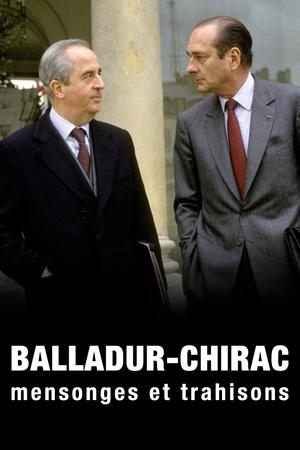
Balladur-Chirac, mensonges et trahisons