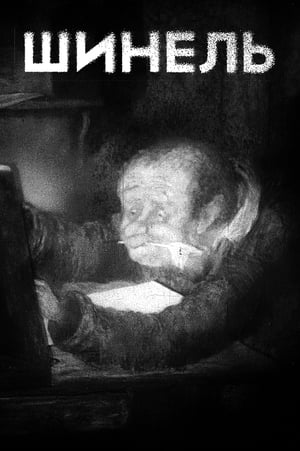
The life and death of titular councillor Akaky Akakievich Bashmachkin, an impoverished government clerk and copyist in the Russian capital of St. Petersburg.
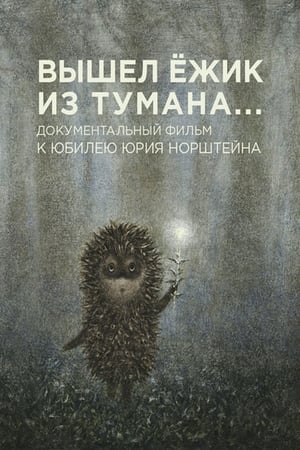
Norstein conquered the world 36 years ago with the creation of the legendary Hedgehog in the Fog. It was recognized as the best cartoon of all times and peoples according to a survey of film critics and animators from different countries.
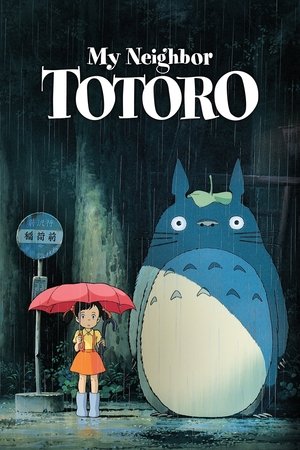
Two sisters move to the country with their father in order to be closer to their hospitalized mother, and discover the surrounding trees are inhabited by Totoros, magical spirits of the forest. When the youngest runs away from home, the older sister seeks help from the spirits to find her.
Eadweard Muybridge’s photographs of animals, people, and landscapes begin to move in a transparent acrylic frame.
It is the time when riot police buses were parked in front of university gates, and the campus was under the surveillance of police officers in disguise. After a protesting student commits suicide by throwing oneself out of the library building, the police install mosquito nets on the library windows.
A man on a beach, aims a gun at his head. The shoot only grazes his forehead, leaving a scar. As he walks along the streets, he notices scars on other people’s heads. Those who aim, those who are aimed at. Who are they, who are they shooting?
The democratization movement of 1987, that was sparked by the tragic death of PARK Jong-chul caused by torture leading June uprising, is portrayed alongside the protest song When that day comes. The dynamism of the period is expanded through multiple images.
Still Unbroken
Alfred Hitchcock was a great director, observer, and researcher of cinema. By imagining a typical day in his life, Ahn reveals the director's unrealized visions through animation. This was Ahn's first theatrical release, shown along with a live-action feature film.
The best-known Venezuelan of the 20th century, Dr. José Gregorio Hernández and his brilliant life, through the eyes of Marlene. A young doctor who discovers curious details of his life that motivate her to overcome the conflicts she faces
The old man was riding a cart to the bazaar. The road ran through a mountain and the horse began to resist and refused to pull the watermelon. The old man tried his best to get the horse to climb the mountain, but he couldn't do anything. It was only through kindness and mutual help that the old man managed to cross the mountain.
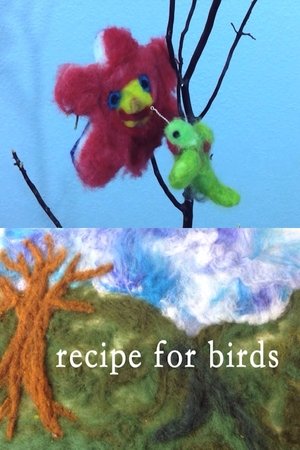
An international collaboration where artist-animators work with kids to make animation on a common theme. This theme: Recipes from your home country. Our Oregon, USA backyard birds are hungry.
Film aimed at middle/high school students about the power of embracing diversity.
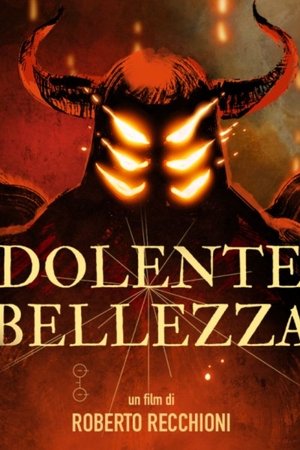
Dolente Bellezza
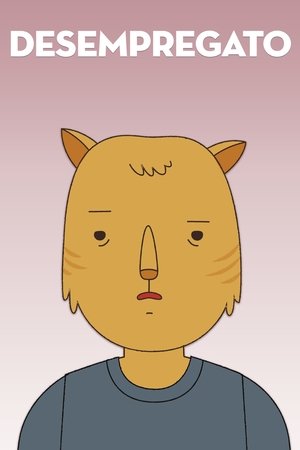
Desempregato
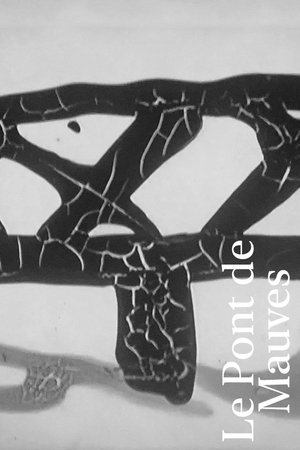
Le pont de Mauves
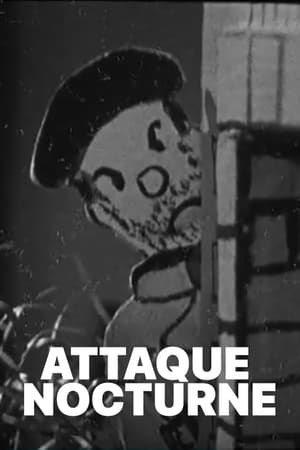
The film existed only in Jacque’s memory because all that remained were the two cardboard thief characters. Jacques called upon his memories to recreate the decor and the characters with a decorator. The operator then filmed frame by frame to reconstruct the film.
When Agnès Varda was preparing the film Jacquot de Nantes in 1990, she was able to shoot in the small apartment where Jacques was raised. While emptying the attic, Agnès found pieces of 9.5 mm film, dry and folded, almost broken and two small cardboard figures. The film was impossible to project and the film had to be remade. Showing the pieces of film to Jacques he immediately identified La Ballerine. A student from the Fine Arts School of Nantes therefore redrew each shot, frame by frame, on blank 16 mm film.
The peaceful daily routine of father and son is interrupted by an encounter of an unfamiliar boy, different from them in color. An allegory to the phenomena of racism as an acquired cultural epidemic, the story discusses the question of the personal conscience of each of us, versus the education we receive from our families and environment. Can we really insist on our personal belief system, when what we must believe in, is dictated to us? The film presents how easily we acquire fear and hatred of foreigners, as well as how easily we might become the "strangers" and "others" ourselves.