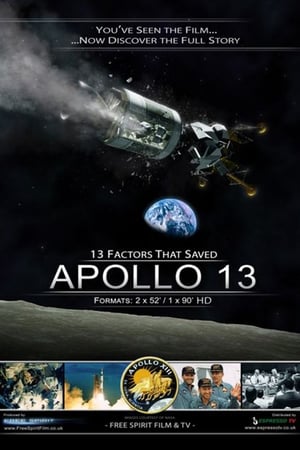
April 13th, 1970, 180,000 miles from Earth, a devastating malfunction leaves Apollo 13 leaking previous oxygen and its crew of three astronauts facing a life and death crisis. If Mission Control cannot find a way to bring Apollo 13 home, the astronauts will be stranded 200,000 miles from Earth in their dying ship. Now with limited power and supplies on board the spacecraft, the ground teams work around the clocking, engineering creative solutions to overcome carbon dioxide poisoning, dehydration and the freezing temperatures of deep space, to ensure the crew's survival. Using spectacular NASA footage, exclusive interviews with Apollo space scientists and stunning visual effects; this film explores the thirteen remarkable factors that brought the crew safely home, and the full story of the courage and ingenuity that cemented Apollo 13 as NASA's finest hour.
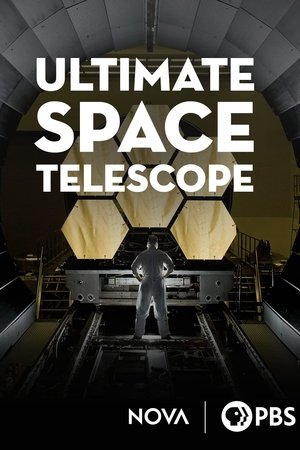
NASA's James Webb Space Telescope, from its conception to completion.
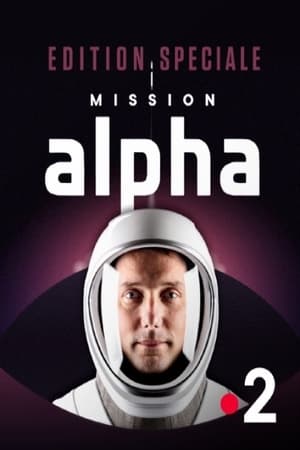
Edition spéciale : "Mission Alpha"
C Jamy - Émission spéciale Thomas Pesquet
From space, 400 kilometers above our heads, one man has won the hearts of the French: Thomas Pesquet. Traveling to the stars is an almost impossible dream, but for Thomas Pesquet it is a reality that he recounts in detail in an exclusive interview. You will discover the magic of living in space, the wonder of our planet, but also the reality of everyday life in zero gravity: how they sleep, how they wash, what happens to their bodies. Why do they have to exercise for two hours a day? How do they communicate with their families? With Thomas Pesquet and the help of specialists, scientists, doctors, instructors, directors, and computer-generated images, you will discover what goes on behind the scenes of a mission and understand how the International Space Station works.
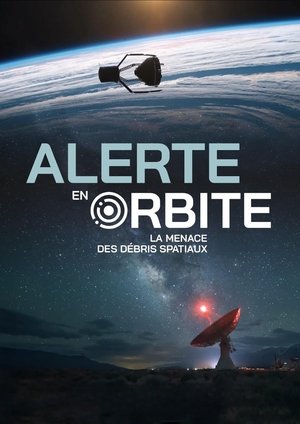
Today, hundreds of kilometers above our heads, millions of pieces of trash are orbiting randomly at breakneck speed. Scientists are now warning that, if nothing is done, the exploration outside our planet, and communications systems within, will be almost impossible within 30 years. How can we collect the space trash and avoid future disasters?
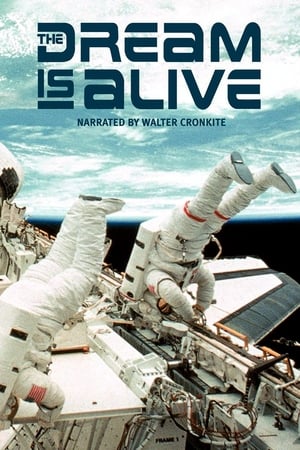
The Dream Is Alive takes you into space alongside the astronauts on the space shuttle. Share with them the delights of zero gravity while working, eating and sleeping in orbit around the Earth. Float as never before over the towering Andes, the boot of Italy, Egypt and the Nile. Witness firsthand a tension-filled satellite capture and repair and the historic first spacewalk by an American woman.
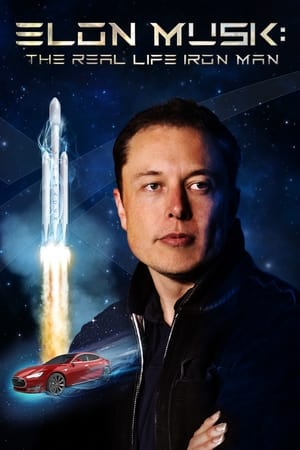
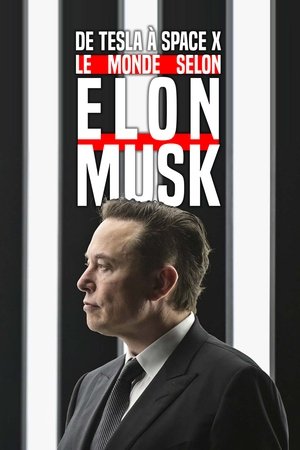
Discover the meteoric rise of Elon Musk, the man who is transforming the way we think about travel technology through electric cars, the Hyperloop, and revolutionary ideas on how we live through artificial intelligence and colonizing Mars.
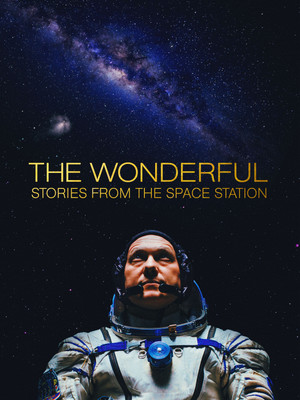
In unusual circumstances, scientists from different countries work together to achieve a common scientific goal. Locked in their spinning space lab, they are isolated from the world — family and friends - and can only watch from the outside as life on Earth continues without them. The space station is a monument not only to the weaknesses of humanity, but also to its ability to do the impossible for the sake of life in space.
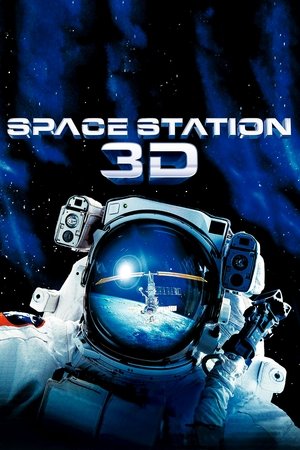
Some 220 miles above Earth lies the International Space Station, a one-of-a-kind outer space laboratory that 16 nations came together to build. Get a behind-the-scenes look at the making of this extraordinary structure in this spectacular IMAX film. Viewers will blast off from Florida's Kennedy Space Center and the Baikonur Cosmodrome in Russia for this incredible journey -- IMAX's first-ever space film. Tom Cruise narrates.
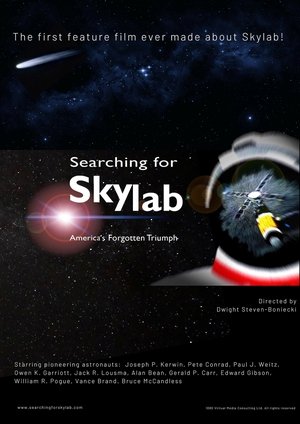
The first American space station Skylab is found in pieces scattered in Western Australia. Putting these pieces back together and re-tracing the Skylab program back to its very conception reveals the cornerstone of human space exploration.
In just a few years, Elon Musk has become one of the most influential and wealthy men on the planet. Although the Tesla brand has revolutionized the image of the electric car, Elon Musk remains a great innovator in the business world. For him, there are no limits: satellites, houses, urban tunnels... But what attracts Elon Musk the most is space, which remains his favorite playground. Recently, he developed reusable rockets that have transformed space travel.
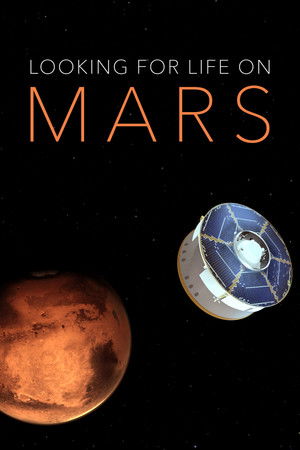
NASA launches its most ambitious hunt for traces of life on Mars, landing a car-sized rover in a rocky, ancient river delta. The rover will stow samples for possible return to Earth and test technology that may pave the way for human travel to Mars.
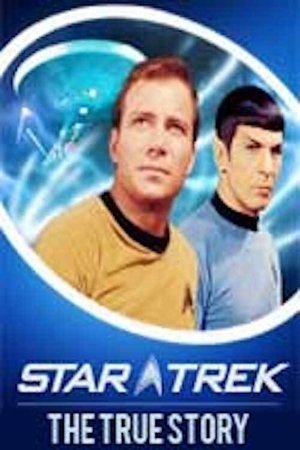
Documentary covering the current state of both the theoretical and practical development of the various scientific basic principles that served, as per Gene Roddenberry's dictum, as a believable basis at the time for The Original Series. Several real-world scientists are interviewed, not a few of them unabashedly admitting they went into their chosen field of profession because of Star Trek: The Original Series.
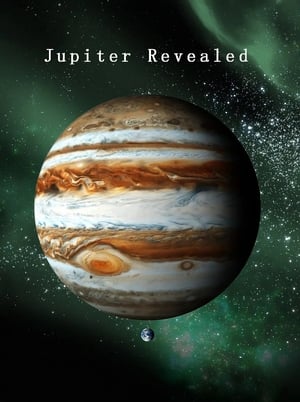
BBC Horizon Documentary. Jupiter, the largest and fastest rotating planet among the eight major planets in the solar system, is the fifth planet from the inside out. This film tells the latest information from NASA's Juno Jupiter probe, unveiling the wonders of Jupiter.
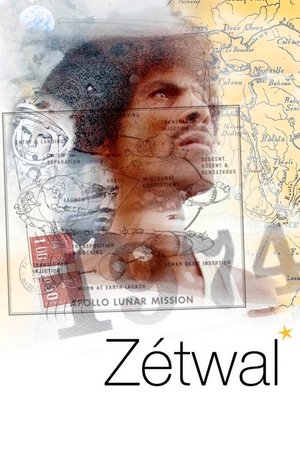
Martinique Island, 1974. Inspired by the writings of the Martiniquais poet and politician Aimé Césaire (1913-2008), the dreamer Robert Saint-Rose, known as Zétwall (Star in Creole), aspires to be the first Frenchman to step on the lunar surface.
T. S. Eliot ends one of his most famous poems, "The Hollow Men", by repeating three times the sentence "This is how the world ends" - and then adding: "Not with a bang but a whimper."
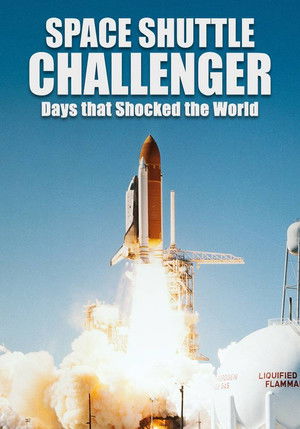
Tragedy struck when the Space Shuttle Challenger disintegrated just 73 seconds into flight. Hours earlier, engineers argued to cancel the launch, amid fears of such a tragedy – so why did it go ahead?
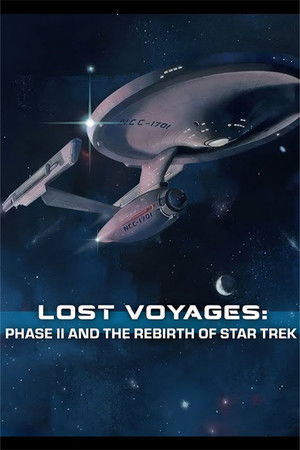
Explores the unproduced "Star Trek: Phase II", Gene Roddenberry's proposed 1970s revival of "Star Trek", and the forces that led to its demise. Featuring digital renders created by the Roddenberry Archive and OTOY, of the starship Enterprise and the command bridge as they had been redesigned and built – but never completed.
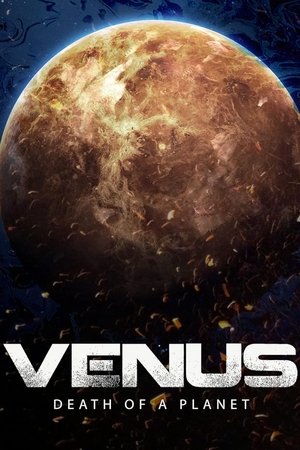
Billions of years ago, Venus may have harbored life-giving habitats similar to those on the early Earth. Today, Earth's twin is a planet knocked upside down and turned inside out. Its burned-out surface is a global fossil of volcanic destruction, shrouded in a dense, toxic atmosphere. Scientists are now unveiling daring new strategies to search for clues from a time when the planet was alive.