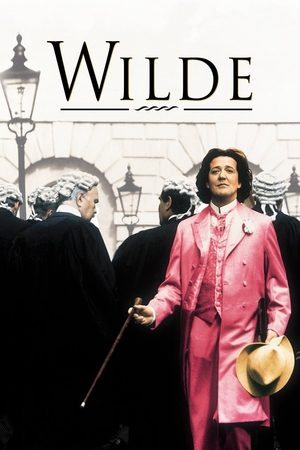
Oscar Wilde is a married playwright who has occasionally indulged his weakness for male suitors. After much toil, Wilde debuts 'The Importance of Being Earnest' in London, and a chat at the theatre with Lord Alfred 'Bosie' Douglas leads to a full-fledged romance. However, this affair leads to a legal dispute with Lord Alfred's oppressive father, the Marquess of Queensberry, and, given the local anti-gay laws, Wilde is jailed. Wilde's vast intellect helps him survive until he regains his freedom.
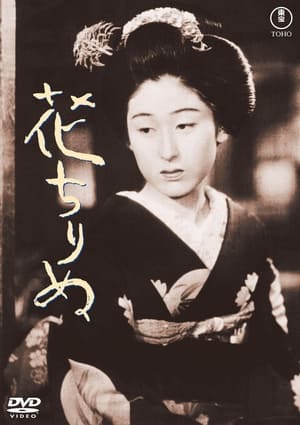
Set against the backdrop of an imperial victory in the civil war leading up to the Meiji Restoration, Fallen Blossoms tells the story of the sorrows of women in a geisha house in Kyoto by recounting the relationships of its inhabitants.
Set in Remies, France in 1941 during World War II, a Jewish man tries to escape Nazi persecution and a chance encounter with a woman sitting next to him on the train. Based on a true story.
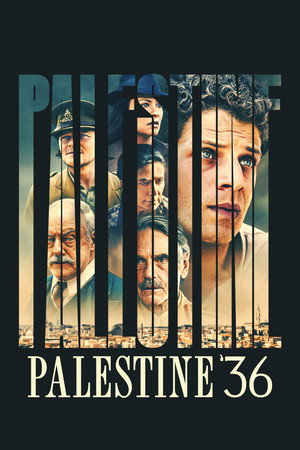
Year 1936. As villages across Palestine rise against British colonial rule, Yusuf drifts between his rural home and the restless energy of Jerusalem, longing for a future beyond the growing unrest. But history is relentless. With rising numbers of Jewish immigrants escaping antisemitism in Europe and some arriving with nefarious Zionist-colonial ambitions, and the Palestinian population uniting in the largest and longest uprising against Britain’s 30-year dominion, all sides spiral towards inevitable collision in a decisive moment for the British Empire and the future of the entire region.
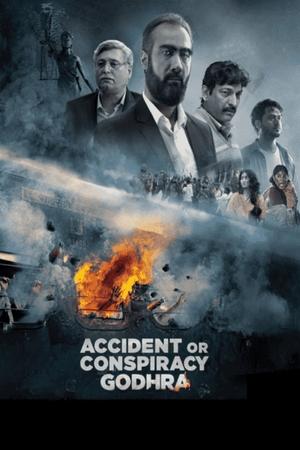
A student whose parents died in the Gujarat pogrom receives an assignment on the same topic at his university. During his research, he meets everyone associated with the commission and tries to uncover various other aspects.
MARIE
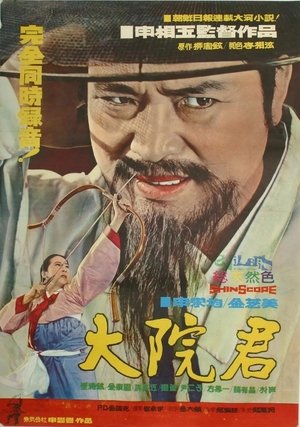
When King Cheol-jang dies, the throne passes to his son King Ko-jang but, because he is considered to be too inexperienced, his ambitious uncle rules as regent. The rightful king's wife, the politically brilliant Queen Min, refuses to accept this situation and brings about the uncle's exile in order to secure the throne.
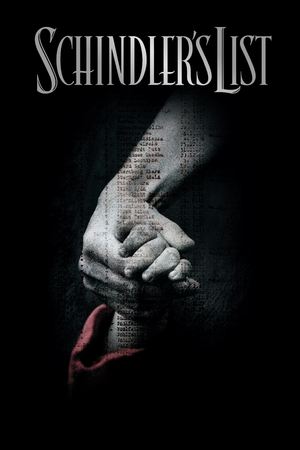
The true story of how businessman Oskar Schindler saved over a thousand Jewish lives from the Nazis while they worked as slaves in his factory during World War II.
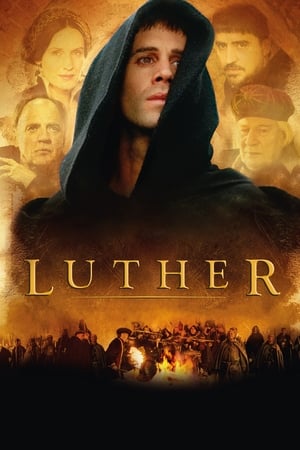
During the early 16th century, idealistic German monk Martin Luther, disgusted by the materialism in the church, begins the dialogue that will lead to the Protestant Reformation.
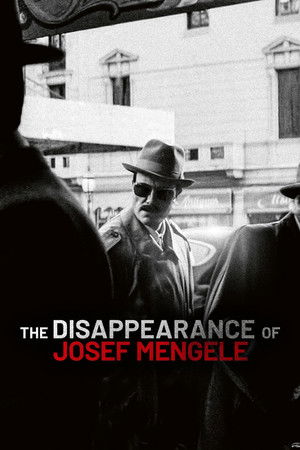
In the aftermath of the Second World War, Josef Mengele, the Nazi doctor at Auschwitz, escapes to South America to rebuild his life in hiding. Through the eyes of his son who finds him again, Mengele is confronted with a past he can no longer ignore. From Buenos Aires to Paraguay via Brazil, the man who became known as “The Angel of Death” will organize his methodical disappearance to avoid any form of trial.
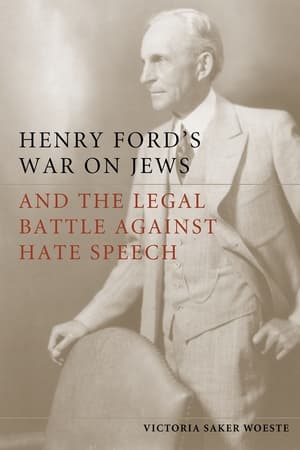
The film will tell the story of the campaign of antisemitism waged by automotive pioneer Henry Ford throughout the 1920s. It was in 1925 that Aaron Sapiro, a self-made lawyer and activist, sued Ford for libel. After a dramatic court case that gripped the nation, Sapiro forced Ford to shut down his antisemitic newspaper, The Dearborn Independent, and apologize publicly to the Jewish people.
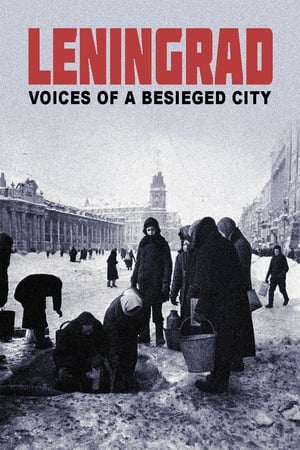
It was one of the great crimes of the Second World War: from 1941 to 1944, a total of 872 days, the siege and starvation of Leningrad by the German Wehrmacht on Hitler's orders lasted. Over a million people fell victim to the blockade, most of them dying of hunger. Countless of these starving people wrote diaries with the last of their strength, and cameramen filmed in the paralyzed city. Evidence from the hell of the siege, many of the film recordings, but above all the written memories on which this documentary on the occasion of the 80th anniversary of the liberation is based, remained under lock and key after the war. The voices of those who had suffered through this terrible time should not be heard by anyone, because they did not fit the pathos of the Leningrad heroic song that was officially sung. Most of the recordings come from women. The writers feared neither the enemy nor the Communist Party or Stalin, who often proved incompetent in providing for the population.
In the heart of 20th-century Ukraine, Andriy Voron embarks on an epic journey of survival, love, and healing-one that spans war, imprisonment, and solitude, ultimately transforming him from a young soldier into a wise elder whose spirit transcends time and space.
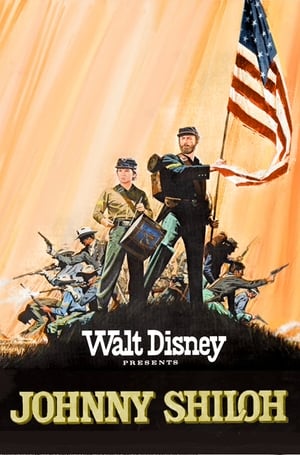
Johnny Shiloh is a 1963 made for TV film that originally aired in two parts on the Wonderful World of Disney in Color. It was released in other countries theatrically as one film and is on DVD as one film. Johnny Shiloh is the true story about Johnny Clem, the ten year old drummer boy who became a union officer in the Civil War.
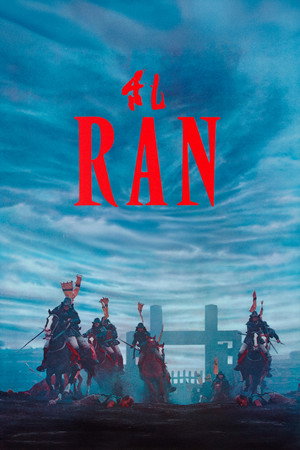
Shakespeare's King Lear is reimagined as a singular historical epic set in sixteenth-century Japan where an aging warlord divides his kingdom between his three sons.
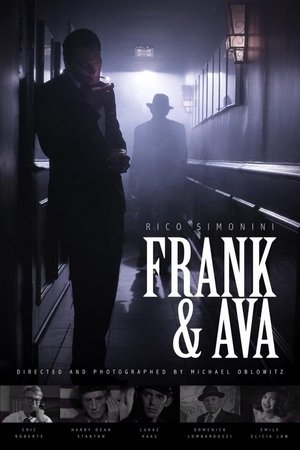
A destitute Frank Sinatra pursues sultry starlet Ava Gardner while campaigning for the lead in 'From Here to Eternity'.
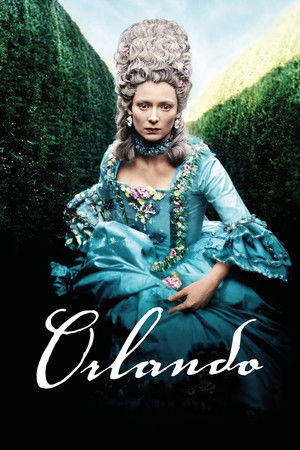
England, 1600. Queen Elizabeth I promises Orlando, a young nobleman obsessed with poetry, that she will grant him land and fortune if he agrees to satisfy a very particular request.
A historical drama focusing on Manuel L. Quezon years after the Philippine Revolution during the American occupation. When his fight for independence from the United States is put to the test, Quezon finds himself playing the brutal game of politics to outmaneuver his rivals — including Leonard Wood, Sergio Osmeña, and Joven Hernando. In Quezon’s relentless quest for power, he ultimately faces off with Emilio Aguinaldo in the 1935 presidential elections, using charm and favoritism as both weapons and currency, in a campaign that ultimately changes the face of Philippine politics and history.
Five girls grow up in China during the first years of the twentieth century. When they become adults they have to learn that women are almost without rights. Other women close to them are suppressed in the most brutal way. When Mingtao is to marry a mentally deficient but rich man, she and her friends decide to escape and to search for the mythical "garden" where a woman's life is worth living.
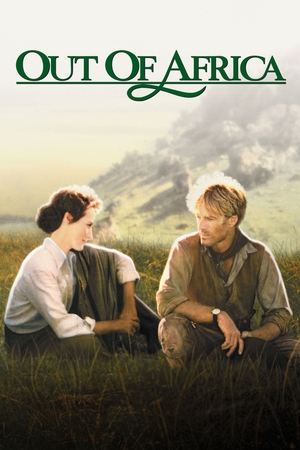
Tells the life story of Danish author Karen Blixen, who at the beginning of the 20th century moved to Africa to build a new life for herself. The film is based on her 1937 autobiographical novel.