Tancem ke kořenům
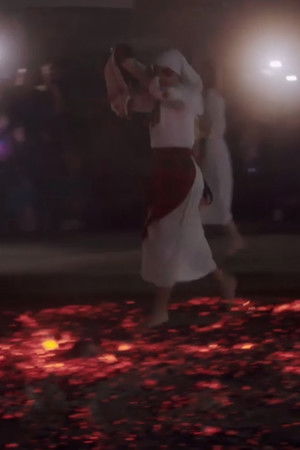
Venerdì Santo - Bronte
Velikonoce na Slovácku
Stephen Fry embarks on a journey to discover the stories behind some of the world's most fantastic beasts that have inspired myths and legends in history, story-telling and film.
Fašánek
Taneční zeměpis III. – Mládež pěti kontinentů
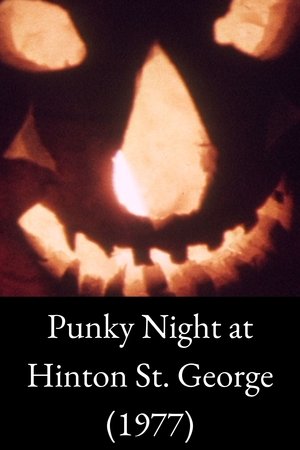
Children parade through the streets of Hinton St George in Somerset on the last Thursday of October. Children have hollowed out pumpkins or mangelwurzels, a type of animal fodder turnip to make lanterns following a tradition in this part of West Somerset that coincides with Halloween. Punky or Punkie Night is thought to date from the turn of the 20th century or perhaps medieval times chanting rhymes and following a Punkie King and Queen.
A folklóre film about a Strakonice ensemble performing folk songs and dances from Prácheňsko under the baton of the local teacher Josef Režný, a passionate collector of folk literature and songs. The movie draws attention to the cultural importance of the region as the land of Strakonice bagpipers and the birthplace of František Ladislav Čelakovský.
Karol Plicka was an important musician and composer. He recorded folk songs immediately after hearing them in musical notation to preserve them for future generations. Similarly, he records and interprets traditions associated with dance, folk song and local stories that vary from region to region in his film The Eternal Song. The short documentary presents merry-making in Slovak and Czech regions that are changing with the coming modernization and transformation of musical records.
"Scottish Myths & Legends" explores the magic, mystery and sprinkling of mayhem that covers the dramatic landscape of Scotland. From the ancient tales of the Loch Ness Monster to the stories of shape shifting Kelpies, we go on a fascinating journey of discovery to uncover the stories behind the myths and the magnificent Scottish landscape that has inspired these truly legendary legends.
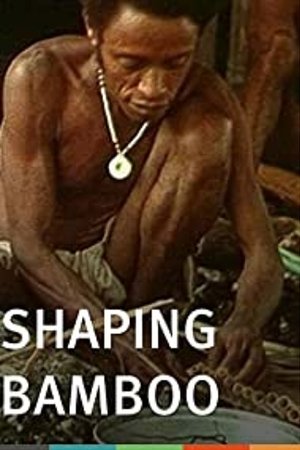
For the 'Are'are people of the Solomon Islands, the most valued music is that of the four types of panpipe ensembles. With the exception of slit drums, all musical instruments are made of bamboo; therefore the general word for instruments and the music performed with them is "bamboo" ('au). This film shows the making of panpipes, from the cutting the bamboo in the forest to the making of the final bindings. The most important part of the work consists in shaping each tube to its necessary length. Most 'Are'are panpipe makers measure the length of old instruments before they shape new tubes. Master musician 'Irisipau, surprisingly, takes the measure using his body, and adjusts the final tuning by ear. For the first time we can see here how the instruments and their artificial equiheptatonic scale-seven equidistant degrees in an octave-are practically tuned.
An ethnographic documentary following the Folia de Reis party that is celebrated every year at Morro de Santa Marta on Rio de Janeiro.
The story of Nisar Ahmed Khan, told through his children and the people he served, a spiritual guide whose followers still visit his tomb on his birth and death anniversaries. And alongside how his family spends a few days at the village keeping his traditions alive.
"If it Won’t Hold Water, it Surely Won’t Hold a Goat" is an intimate meditation on the subversive nature of goats and their effect on the people who spend time with them. Centered on the story of the legendary Goat Man - a nomadic figure who spent most of his life walking the roads of Georgia with a wagon pulled by a herd of goats - this experimental documentary weaves together an interview with a goat farmer, footage of the daily rituals Johnson enacted with her own herd, and a poem about the Goat Man’s experimental and spectacular life.
8mm experimental film directed by Minoru Shinojima. Shot and edited by Kenji Onishi. For 40 years, Minoru Shinojima has been opposed to mining Mt. Buko and is striving to protect the natural environment and cultural ground that inhabit the local area. Idomu’s Testament - Sequel or IDOMU II. In Saitama prefecture Chichibu city there’s a mountain which was most loved by Tokugawa Ieyasu (founder of Tokugawa shogunate). It is Mount Buko, which rose 2 hundred million years ago when the pacific plate moved the underwater volcanoes around Hawaii. It is like the giant turtle shell where Myouken bodhisattva stood. A gentle mountain which heals people’s hearts and gives them the blessings of green and water.
Two Chinese tourists swap their megacity for the Dutch village of Giethoorn where the hosts work hard to provide for them the authentic Dutch experience.
In the frigid waters off of Russia’s Bering Strait, Inuit and Chukchi hunters today still seek out the giant sea mammals that have provided their people with food since time immemorial. It is known, that the whale hunting today is controversial and subject to international criticism and regulations. But the Inuit and Chukchi hunt is permitted by international law because of the whaling is the foundation of their culture and their life. The contemporary story of elders Aleksandr and Aleksei blends seamlessly with that of “the woman who gave birth to a whale” and other ancient myths, told here in vivid animation, in this ongoing struggle for survival and preservation of a traditional lifestyle in one of the most remote places on earth.
The members of the Ayrudzi troupe travel across various villages of Armenia on horseback and put on folk song and dance concerts and shadow theatre performances for the locals.
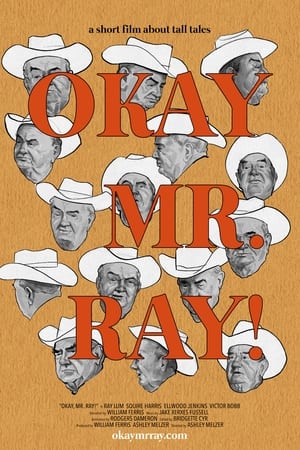
No one could spin a yarn to make a sale like Ray Lum. Twenty years after their initial meeting, Bill Ferris returned home to Mississippi in the early ‘70s with a camera. The result reveals a look back at the colorful rhythms of Ray’s life—at home, at the auction, joking with strangers outside country stores— and provides a glimpse at Southern manhood, friendship and loss. Now nearly Ray’s age when they first filmed, Ferris has become a Grammy Award winning documentarian and renowned folklorist. Using never before seen 16mm footage and new animations, OKAY, MR. RAY is a short documentary film about how even the tallest tales help us keep the memory alive of the ones we love.
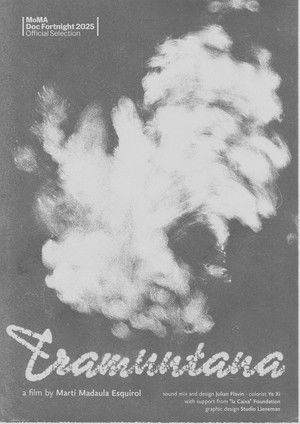
In a remote area of northern Spain, the wind has a name: Tramuntana. Tramuntana takes what it wants—clothes, trees, boats, and the people of the landscape who live with the endless threat of being carried away by its force. This film is a lyrical portrait of this furious wind, woven from the stories passed down by local villagers.