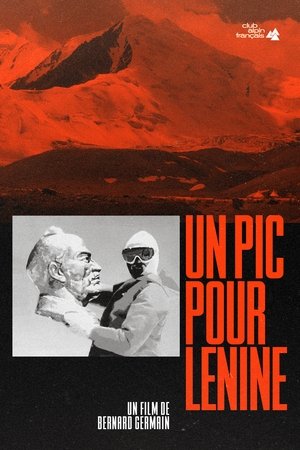
Un Pic pour Lénine
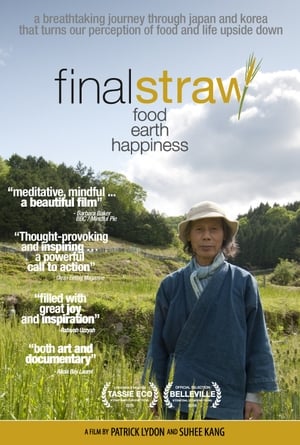
A deep and visually stunning survey of age-old ideas about food, ecological connectedness, and personal happiness. The film's warm cast guide audiences on a transformational journey through Japan, Korea, and the United States.
Společně k cíli
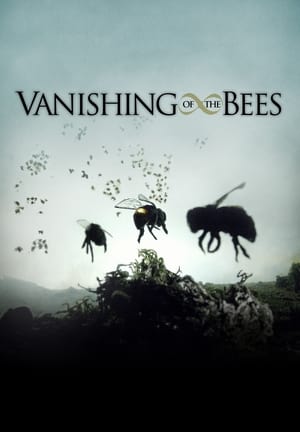
This documentary takes a piercing investigative look at the economic, political and ecological implications of the worldwide disappearance of the honeybee. The film examines our current agricultural landscape and celebrates the ancient and sacred connection between man and the honeybee. The story highlights the positive changes that have resulted due to the tragic phenomenon known as "Colony Collapse Disorder." To empower the audience, the documentary provides viewers with tangible solutions they can apply to their everyday lives. Vanishing of the Bees unfolds as a dramatic tale of science and mystery, illuminating this extraordinary crisis and its greater meaning about the relationship between humankind and Mother Earth. The bees have a message - but will we listen?
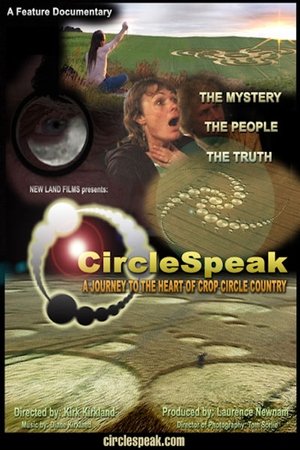
Shot in Southern England over the course of six weeks by a crew of three American filmmakers, CircleSpeak offers a nuanced look at the passions and beliefs of the people immersed in the crop circle phenomenon during the season of 2001. This feature-length documentary presents interviews with serious “researchers”, self-proclaimed “hoaxers”, local farmers and villagers who are all, in one way or another, involved in this strange and compelling summer spectacle taking place year after year.
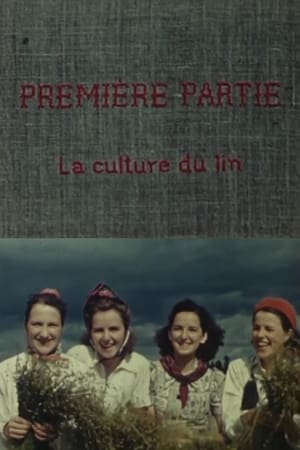
The cultivation of flax, long and complicated, requires constant precautions and care. This document describes the different stages of this culture, from tillage and fertilization of the soil to uprooting, retting, braying, stacking, retting and, finally, shipping to the factory.
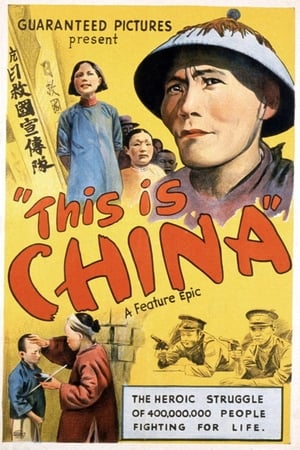
A fascinating compilation of scenes showing diversity and disparity in 1940s China. The ancient Forbidden City and Great Wall are followed by Shanghai’s metropolitan skyline; primitive farming methods are juxtaposed with mechanised factories; children in rags are contrasted with models wearing the latest fashions; Nationalist commanders and Communist leaders vie for support.
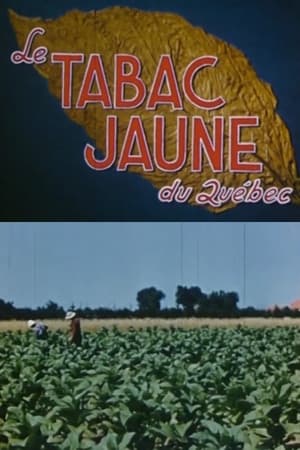
History of yellow tobacco cultivation in the regions of Joliette, Berthier and Trois-Rivières. The documentary describes the care and work required for this crop and pays tribute to the producers whose efforts have made it possible to introduce and maintain this highly specialized industrial crop in Quebec.
A scarecrow wanders in the countryscape of the french department of the Mayenne. It watches secretly over the transformation of the rural world since the end of the peasantry civilization. This film explores the memory of the local landscape that retains traces of ancient heritage. But this memory is endangered.
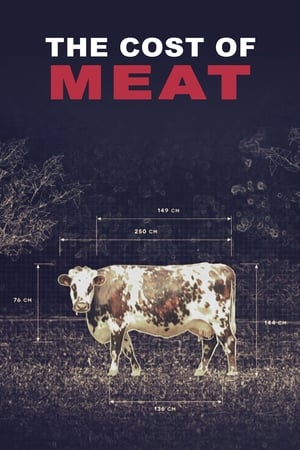
How did it come about that we no longer see living beings in farm animals, but objects? Every year, 70 billion farm animals are slaughtered for consumption around the world. 80 percent are kept on large farms. They live crammed together in overcrowded stables, are fattened and finally slaughtered without ever having been in nature. In less than two generations, intensive husbandry has become established worldwide. Researches in Poland, the USA, Germany and Vietnam gets to the bottom of the system and those responsible. The meat industry is subsidized by the state. Corporations, governments and consumers tacitly support a deregulated and dehumanized economic system that makes unlimited consumption of animal products the norm - and with it, animal cruelty. The documentary film describes the triumph of industrial agriculture, in which the animal has to endure unimaginable suffering, becomes a commodity, a raw material that is always available and can be slaughtered and processed at will.
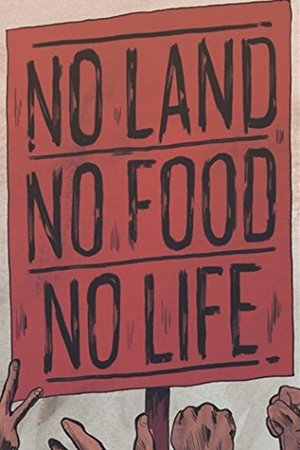
The plight of small-scale farmers in Africa and Asia forced off their land by an unprecedented corporate land grab. If they refuse they are subject to horrific violence, which has led to women miscarrying and deaths. Exploring the personal stories of those affected, this documentary gives a voice to threatened subsistence farmers throughout the developing world. If your livelihood was ripped away from you, how would you cope?
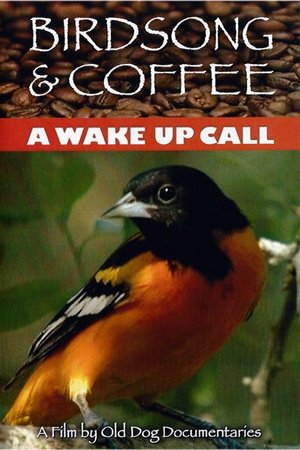
Documentary exploring economic and environmental connections between farmers in Latin America, coffee drinkers in the U.S., and the fate of migratory songbirds throughout the Americas. Illustrates how coffee drinkers in this and other developed countries hold in their hands the fate of farm families, farming communities, and entire ecosystems in coffee-growing regions worldwide.
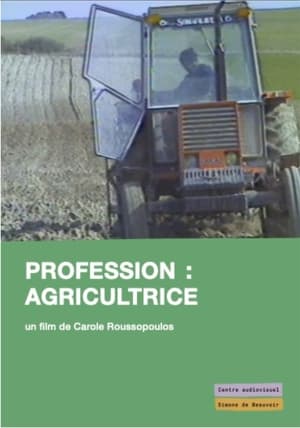
Four women farmers working in the Champagne-Ardennes region talk about their working conditions, the part they play in running the farm, the distribution of jobs between husband and wife and the lack of status of their work... They emphasise how denial of the essential role they play in running the farm has led them to demand specific recognition of their job. Presentation of the Women's Association for Agricultural Development (AFDA).
Être paysan·ne
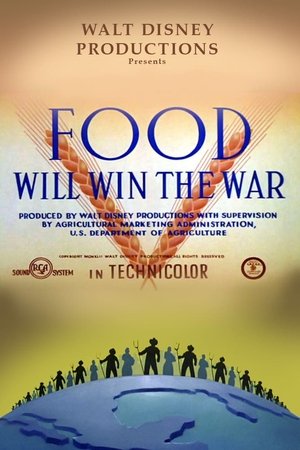
World War II propaganda film on the importance of American farming. A morale booster film stressing the abudance of American agricultural output.
Les Cartoons bannis
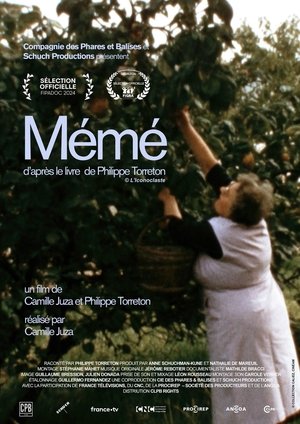
Adapted from famous French actor Philippe Torreton’s best-seller, GRANDMA is the portrait of the actor’s grandmother: a modest, unique but universal Norman peasant. Enriched with amateur films, nourished by major historical events, GRANDMA also tells the story of the end of a world, that of the countryside of our grandmothers, before the abyss of modernity.
Document about the achievements of unified agricultural cooperatives in Slovakia. In the form of an excursion, he takes the viewer around individual cooperatives in order to convince him of the success of new working methods in agriculture.
Na kořen zla
Promotional film about the benefits of joint farming in unified agricultural cooperatives in Slovakia.