O Tardo
Folk architecture, costumes, work, customs and traditions, dances, and other expressions of traditional life in Slovak villages.
A big day in the Scottish Borders is captured with astonishing clarity in this remarkable film commissioned by the local cinema.
Karol Plicka was an important musician and composer. He recorded folk songs immediately after hearing them in musical notation to preserve them for future generations. Similarly, he records and interprets traditions associated with dance, folk song and local stories that vary from region to region in his film The Eternal Song. The short documentary presents merry-making in Slovak and Czech regions that are changing with the coming modernization and transformation of musical records.
The millennia-old myth and tradition of St. Lucy's fire told through the eyes of teenagers on the shores of the Ionian Sea.
La notte dei Cucibocca
Velikonoce na Slovácku
Jízda králů
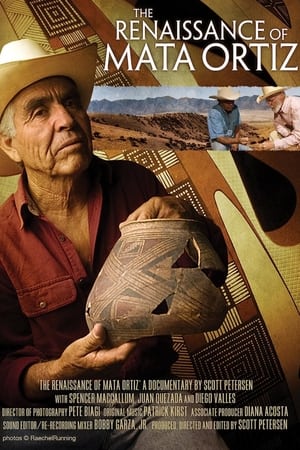
The Emmy-winning story of how an American treasure hunter and a Mexican artist transformed a dying desert village into a home for world-class art.
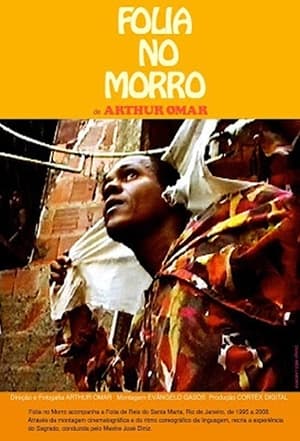
An ethnographic documentary following the Folia de Reis party that is celebrated every year at Morro de Santa Marta on Rio de Janeiro.
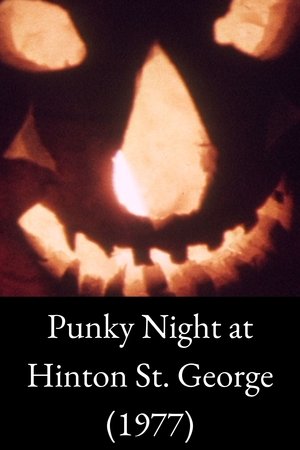
Children parade through the streets of Hinton St George in Somerset on the last Thursday of October. Children have hollowed out pumpkins or mangelwurzels, a type of animal fodder turnip to make lanterns following a tradition in this part of West Somerset that coincides with Halloween. Punky or Punkie Night is thought to date from the turn of the 20th century or perhaps medieval times chanting rhymes and following a Punkie King and Queen.
Slovenské ľudové tance
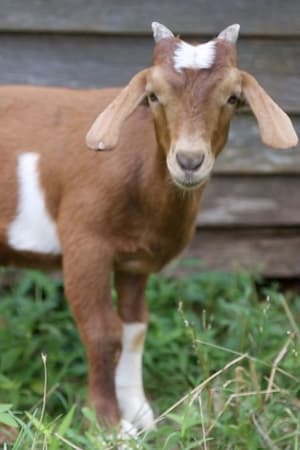
"If it Won’t Hold Water, it Surely Won’t Hold a Goat" is an intimate meditation on the subversive nature of goats and their effect on the people who spend time with them. Centered on the story of the legendary Goat Man - a nomadic figure who spent most of his life walking the roads of Georgia with a wagon pulled by a herd of goats - this experimental documentary weaves together an interview with a goat farmer, footage of the daily rituals Johnson enacted with her own herd, and a poem about the Goat Man’s experimental and spectacular life.
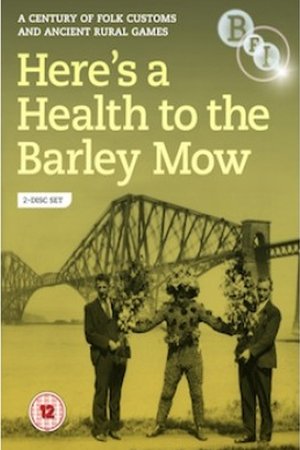
From the sexy, savage Cornish May Day rites of Alan Lomax's Oss Oss Wee Oss, to Jeremy Deller and Alan Kane's footage of ferociously fought traditional football; from children's games in London's bombed East End to intricate sword and step dances, this collection of poetic documentaries, long unseen television reports and rare silent film footage reveals just how powerful and enduring the folk traditions of Great Britain have always been. The silent films feature innovative fiddle and melodeon accompaniments by contemporary folk musicians.
Estráda
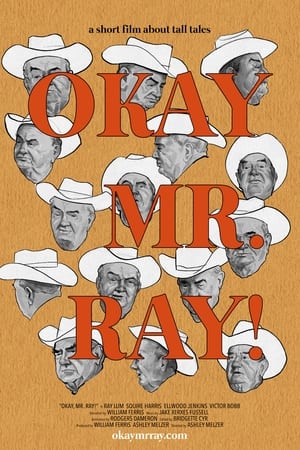
No one could spin a yarn to make a sale like Ray Lum. Twenty years after their initial meeting, Bill Ferris returned home to Mississippi in the early ‘70s with a camera. The result reveals a look back at the colorful rhythms of Ray’s life—at home, at the auction, joking with strangers outside country stores— and provides a glimpse at Southern manhood, friendship and loss. Now nearly Ray’s age when they first filmed, Ferris has become a Grammy Award winning documentarian and renowned folklorist. Using never before seen 16mm footage and new animations, OKAY, MR. RAY is a short documentary film about how even the tallest tales help us keep the memory alive of the ones we love.
Piesne Liptova
Majstri modranskej keramiky
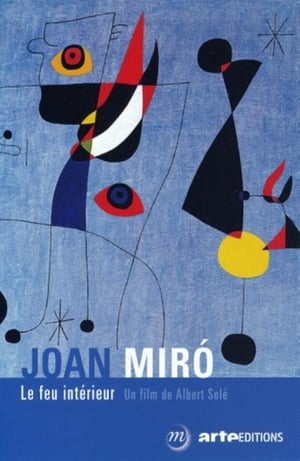
The work of painter Joan Miró is more alive than ever 35 years after his death. Grandson Joan Punyet travels the world and paints the picture of his grandfather-seeker, for whom freedom in creation was a necessity. Miró was very attached to his homeland and this is regularly reflected in his often experimental concepts. Fellow artists talk about their collaboration with Miró and rare images show us the artist at work, right up to his last days.
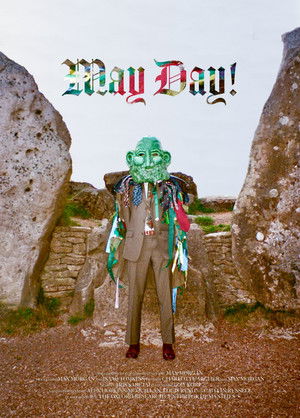
May Day! is a feature-length documentary which follows Oxford's thousand-year old tradition of May Morning, the largest celebration of its kind, regularly attracting over 15,000 people each year. It is a collage-like portrait of the tradition, attempting to find out how the celebration has survived the separation between the land and its people, what the pagan festival means thousands of years after its inception, and how it shapes and contributes to our nation's sense of self.