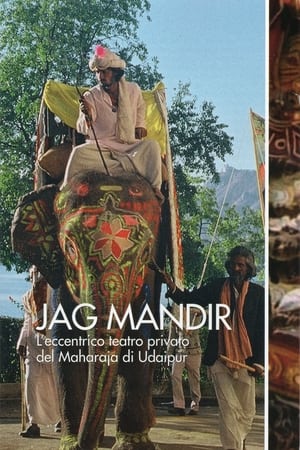
In this surreal documentary, Werner Herzog shows us how, following a saint’s suggestion, the king of Udaipur invited various artists and tribes from many cultures across India to celebrate life and ward off evil.
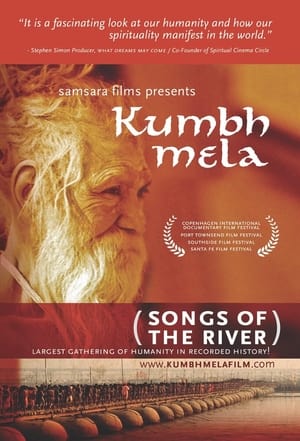
The Kumbh Mela is a great roving Hindu spiritual festival that has moved around India for more than four thousand years, erecting temporary cities along the Ganges River.
A documentary about the life and work of seminal mathematician Srinivasa Ramanujan.
December 3, 1984. Bhopal, India. The biggest and deadliest chemical disaster of all time. Nearly twenty years later the ordeal isn't over, justice has not been done. Had the disaster occurred in the developed world, heads would have rolled, prison sentences would have been served, changes would have been made. But the disaster didn't happen in the West, but in this obscure Indian city.
Richard Beymer first met David Lynch when Lynch cast him as Ben Horne in the series Twin Peaks. Years later, Lynch saw one of Richard's documentaries on the founder of Transcendental Meditation, Maharishi Mahesh Yogi, and asked him to come to India to document a journey he was making tracing Maharishi's footsteps from one end of India to the other. This film is not just a record of their 10-day journey, it's also a rare and personal look at David Lynch "unplugged."
In this fascinating and unusual conversation, writer and physician Deepak Chopra talks to religion professor Robert Thurman about the connections and differences between two of India's most important philosophical beliefs: Vedanta and Buddhism. Chopra explores the foundation of Vedanta, while Thurman -- the father of actress Uma Thurman -- provides the Buddhist point of view in this meeting held in 1999 at New York City's Tibet House.
A documentary about the Friends of the Western Buddhist Order in London.
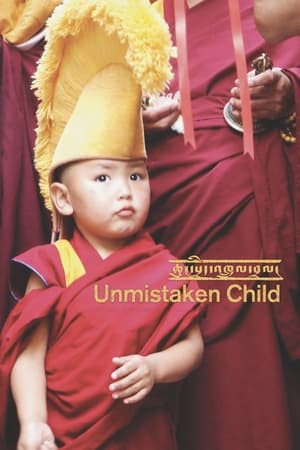
In Nepal, a venerable monk, Geshe Lama Konchog, dies and one of his disciples, a youthful monk named Tenzin Zopa, searches for his master's reincarnation. The film follows his search to the Tsum Valley where he finds a young boy of the right age who uncannily responds to Konchog's possessions. Is this the reincarnation of the master? After the boy passes several tests, Tenzin takes him to meet the Dali Lama. Will the parents agree to let the boy go to the monastery, and, if so, how will the child respond? Central to the film is the relationship the child develops with Tenzin.
More than 50 years ago, the Tibetan Bon Buddhist tradition was driven from its refuge deep within the Himalayas. This is the story of the long and difficult journey that followed. Told through the lens of one Bon teacher born in exile -- Tenzin Wangyal Rinpoche -- this film reveals something very precious and very old: a rich spiritual heritage, hidden for millennia, whose secret teachings are only now becoming known to the world. There may be no unbroken spiritual tradition more ancient than Bon, which traces its beginnings to a buddha who predates Shakyamuni by thousands of years. Yet this tradition today may be facing its greatest challenge thus far: to preserve its rich heritage beyond the land of its birth.
Today India and Pakistan are home to one fifth of the world's population. They are rising powers but hostile neighbours. Their enmity can be traced back to the week of their birth, 70 years ago. On 15 August 1947, Britain would give up the Indian Empire, partitioning it in into two independent countries, India and Pakistan. This film tells the story of the seven days that led up to their independence and the last days of the British Raj.
Over 2,500 years ago, one man showed the world a way to enlightenment. This beautifully produced Buddhist film by the BBC meticulously reveals the fascinating story of Prince Siddhartha and the spiritual transformation that turned him into the Buddha.
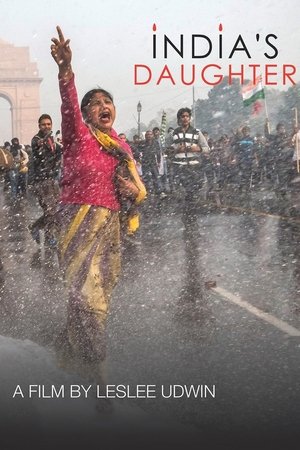
The story of the short life, and brutal gang rape and murder in Delhi in December 2012 of an exceptional and inspiring young woman. The rape of the 23 year old medical student by 6 men on a moving bus, and her death, sparked unprecedented protests and riots throughout India and led to the first glimmers of a change of mindset. Interwoven into the story line are the lives, values and mindsets of the rapists whom the film makers have had exclusive and unprecedented access to interview before they hang. The film examines the society and values which spawn such violent acts, and makes an optimistic and impassioned plea for change.
A land of sacred peaks and secret creatures, lost in the mists of time, somewhere between folklore and magic. This is a story of India's very first UNESCO Biosphere Reserve - the Nilgiris - one of Asia's most intensively studied areas.
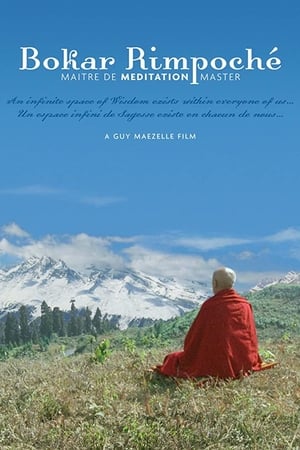
By way of a journey through the landscapes of Himalaya's mountains , the film invites us to discover the everyday life of Bokar Rimpoche; one of Tibetan Buddhism's great spiritual masters Master. Through his teachings, Bokar Rimpoche proposes a real introduction to Buddhism.
It delivers enough venom in one bite to kill a hundred people, yet it solely preys on other snakes. Through rare footage follow the King Cobra on its journey throughout the rainforests of India seeking food and a mate.
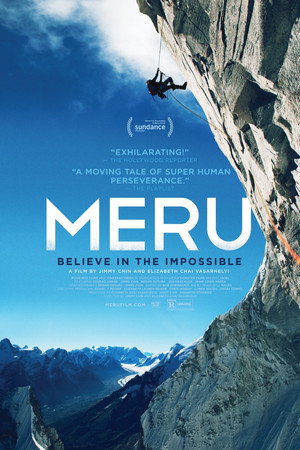
Meru is the electrifying story of three elite American climbers—Conrad Anker, Jimmy Chin, and Renan Ozturk—bent on achieving the impossible.
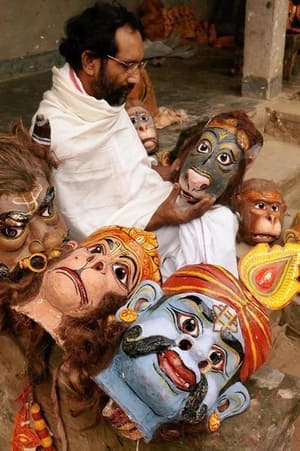
This film creatively documents the art of Majuli masks, focusing on the only two families that keep the practice alive in Natun Chamaguri Satra, including multi-awared mask maker Dr. Hem Chandra Goswami.
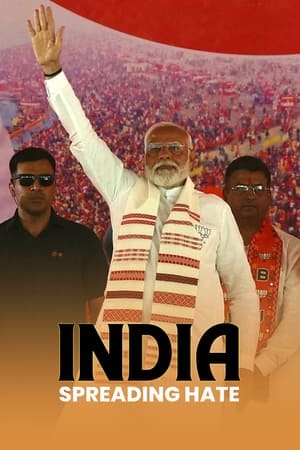
Since the rise to power of Hindu nationalists in 2014, India has been gradually moving away from democracy towards a regime where ethnic identity prevails. This transition is driven by Hindutva, a Hindu supremacist ideology embodied by Narendra Modi. For the past 10 years, Prime Minister Modi has relentlessly pursued his fascist policy based on Hindu supremacy. This ideology of hatred towards other religions in the country, particularly Islam, has also spread globally. Those who follow this belief want India to be only for Hindus, treating people of other religions, like Muslims or Sikhs as second-class citizens. Attacks against Christians have surged by 400% since Modi's election, accompanied by discriminatory laws targeting Muslims and widespread lynching incidents. Hindutva's influence permeates all levels of Indian society. This documentary thus unveils a darker side of India, far from its portrayal as the world's largest democracy and Gandhi's dream of peace among communities.
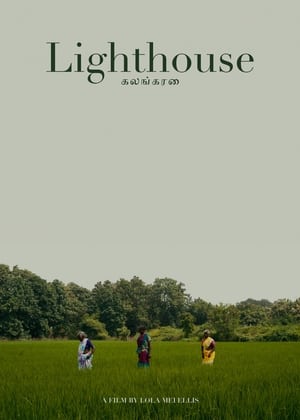
After the Indian Ocean Tsunami of 2004, widowed women struggled to receive aid due to their social status. Following the story of Mrs. Manjula along with many other women from Tamil Nadu, the challenges faced by millions of widows across the country are illuminated. From being ostracized to denied basic rights and economic opportunities, widows in India endure a cycle of discrimination and marginalization. “Kalangarai” meaning "lighthouse" in Tamil, is an organization dedicated to empowering women through initiatives such as self-help groups and educational programs. Throughout the film, "Lighthouse" illustrates the emotional journeys and resilience of these women, as well as the active change that Kalangarai strives to achieve. This documentary urges global awareness and support for widowed women’s rights, as the women’s struggles depict the intersectionality of gender, poverty, and social injustice.
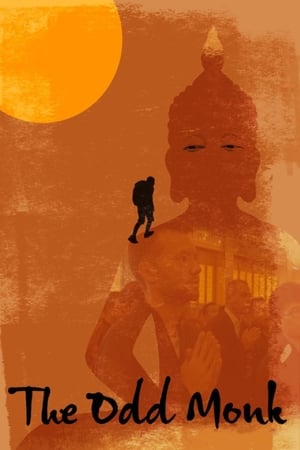
The Odd Monk is a personal journey through modern day Buddhism. German first time Filmmaker Jesco Puluj travels around the world, meeting a variety of monks and nuns to discover the essence of Buddhism.