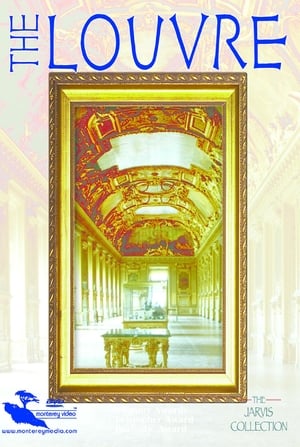
Narrated by Sir Derek Jacobi - star of the landmark television series "I, Claudius" - this documentary explores art and culture around the Bay of Naples before Mount Vesuvius erupted in AD 79. The bay was then the most fashionable destination for vacationing Romans. Julius Caesar, emperors, and senators were among those who owned sumptuous villas along its shores. Artists flocked to the region to create frescoes, sculpture, and luxurious objects in gold, silver, and glass for villa owners as well as residents of Pompeii and other towns in the shadow of Vesuvius. The film concludes with the story of the discovery of Pompeii and Herculaneum from the 18th century onward.
This film is a fascinating look at some people afflicted with congenital deformities of an extreme nature. Their ability to live with their aberrations while remaining socially involved and upbeat is truly inspirational. While their predecessors were often seen in so called "freak shows" that were part of various exhibitions from Coney Island to traveling circuses, these performers were actually the more fortunate ones in an era of little tolerance for those who were different from the accepted norm. Many became famous and extremely wealthy, such as Tom Thumb (Charles Sherwood Stratton), who worked for many years with P.T. Barnum.
Husband and wife music producers Ray Chew and Vivian Scott Chew embark on an ambitious two week journey to Cuba to create a collaboration of sounds which originated from Afro-Caribbean roots that has evolved into what we now consider modern day Salsa music. Bringing together multiple artists from the U.S. and Cuba, the film shines a light on Cuban culture and takes the viewer through the creative process and challenges of producing an album while providing an auditory sensation that touches the soul. Featuring Eric Benét, Louie Vega and Sergio George-who has produced albums for Jennifer Lopez, Marc Anthony and more. Audiences will walk away feeling the passion, positive energy, triumph and love that keeps this musical marriage strong.
When a Mongolian nomadic family's newest camel colt is rejected by its mother, a musician is needed for a ritual to change her mind.
This shows physicist Stephen Hawking's life as he deals with the ALS that renders him immobile and unable to speak without the use of a computer. Hawking's friends, family, classmates, and peers are interviewed not only about his theories but the man himself.
A dual portrait of young drifters on the streets of Odessa, where every day seems the same and the future keeps getting further away.
A documentary on the history of sex education
A documentary highlighting the Soviet Union's legendary and enigmatic hockey training culture and world-dominating team through the eyes of the team's Captain Slava Fetisov, following his shift from hockey star and celebrated national hero to political enemy.
The story of the settlement of Irish immigrants in the North Bronx, New York, and how the once predominantly Irish neighborhoods are changing because of the influx of other groups.
With a pair of scissors and some paper, he turned his art into a weapon the Nazis feared. A look back at the eventful career of satirist John Heartfield (1891-1968), pioneer of photomontage and modern graphic design.
In 1977, after a fourteen year dry spell, the novelist Barbara Pym was nominated for a Booker Award for her novel, Quartet in Autumn. This drama documentary biopic sees Patricia Routledge as Pym and follows the day of the prize presentation, as she observes people and reminisces about life and love.
Started as a class project in what was likely the first filmmaking course ever taught at Harvard, Marathon documents the running of the 1964 Boston Marathon.
60 years ago, almost nothing was known of elephants in the wild. But then one young Scottish biologist changed that forever. In 1965 Iain Douglas-Hamilton arrived in Tanzania to live alongside African elephants. Later joined by his wife Oria and daughters Saba and Dudu, elephants became central to their lives with matriarch Boadicea and gentle young mother Virgo cherished like human relatives. But this garden Eden was short-lived as an ivory poaching epidemic swept across Africa forcing Iain to switch from pioneering scientist to maverick conservationist. He became a lone crusader against the international Ivory trade which was finally banned in 1989. Now back in the field and revealing even more about the fascinating world of elephants, Iain’s work continues alongside a new generation of Kenyan conservationists. This inspiring documentary combines stunning wildlife imagery with the story of a remarkable life showing how sometimes you have to stand alone to protect what you love.
Glamorously eccentric and enigmatic Theremin master Armen Ra recounts his dynamic journey in this life-spanning documentary that mixes rare concert performances, candid interviews, and archive material with the magical power of music that can alchemize ancient sorrow into timeless beauty.
Spies of Mississippi tells the story of a secret spy agency formed by the state of Mississippi to preserve segregation and maintain white supremacy. The anti-civil rights organization was hidden in plain sight in an unassuming office in the Mississippi State Capitol. Funded with taxpayer dollars and granted extraordinary latitude to carry out its mission, the Commission evolved from a propaganda machine into a full blown spy operation. How do we know this is true? The Commission itself tells us in more than 146,000 pages of files preserved by the State. This wealth of first person primary historical material guides us through one of the most fascinating and yet little known stories of America's quest for Civil Rights.
The film describes the microcosmos of the small village Wacken and shows the clash of the cultures, before and during the biggest heavy metal festival in Europe.
Documentary depicting the lives of child prostitutes in the red light district of Songachi, Calcutta. Director Zana Briski went to photograph the prostitutes when she met and became friends with their children. Briski began giving photography lessons to the children and became aware that their photography might be a way for them to lead better lives.
Vienna’s Prater is an amusement park and a desire machine. No mechanical invention, no novel idea or sensational innovation could escape incorporation into the Prater. The diverse story-telling in Ulrike Ottinger’s film “Prater” transforms this place of sensations into a modern cinema of attractions. The Prater’s history from the beginning to the present is told by its protagonists and those who have documented it, including contemporary cinematic images of the Prater, interviews with carnies, commentary by Austrians and visitors from abroad, film quotes, and photographic and written documentary materials. The meaning of the Prater, its status as a place of technological innovation, and its role as a cultural medium are reflected in texts by Elfriede Jelinek, Josef von Sternberg, Erich Kästner and Elias Canetti, as well as in music devoted to this amusement venue throughout the course of its history.
A documentary that explores the potential dangers of toxic chemicals in consumer products and the recent spike in unexplained health phenomena.
In 1969, Christo and Jeanne-Claude wrapped 2.5 kilometers of coast and cliffs up to 26 metres along the coast of Little Bay, in Southeast Sydney, Australia.