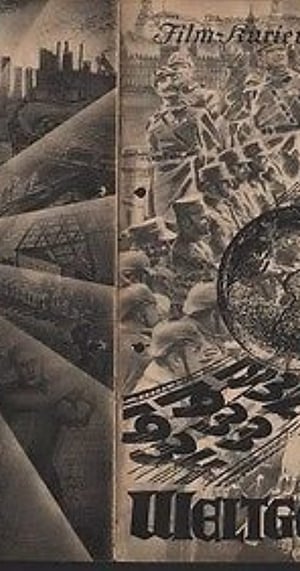
Produced by the Fox Movietone News arm of Fox Film Corporation and based on the book by Lawrence Stallings, this expanded newsreel, using stock-and-archive footage, tells the story of World War I from inception to conclusion. Alternating with scenes of trench warfare and intimate glimpses of European royalty at home, and scenes of conflict at sea combined with sequences of films from the secret archives of many of the involved nations.
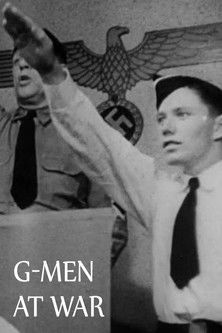
The centrepiece of this March of Time film is the dramatised sequence showing the FBI infiltration of a group of American Nazis, whose espionage and sabotage operations are run from the backroom of a local restaurant. The film’s message - that the FBI is more than a match for German spies - is reinforced by the focus on new techniques such as covert filming and forensic evidence analysis, helped by an army of administrative staff working alongside the Bureau’s 4,500 special agents.
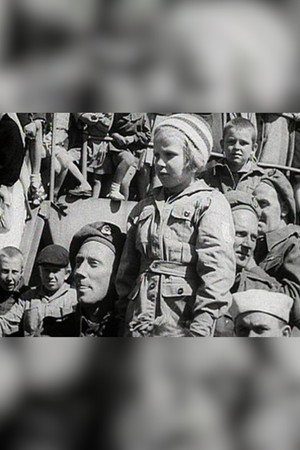
This 1944 newsreel documents arrivals at a Wellington wharf from the Middle East: New Zealand soldiers and Polish children. For the refugees it was the conclusion of an epic wartime survival tale: an exodus from Poland via Siberian labour camps, to being greeted by Prime Minister Peter Fraser in NZ. The Poles then take the train past waving crowds to their new home: a camp in Pahīatua. Twenty years later the children were revisited in Kathleen O’Brien’s classic 1966 documentary The Story of Seven-Hundred Polish Children.
A bumbling, long-winded and crooked Southern senator, considered by some as a dark horse for the Presidency, panics his party when his tell-all diary is stolen.
A walk through the landscapes of the province of Salamanca, Spain, as well as a testimony of the daily life and customs of its inhabitants.
A walk through the landscapes of the province of Barcelona, Spain, as well as a testimony of the daily life and customs of its inhabitants.
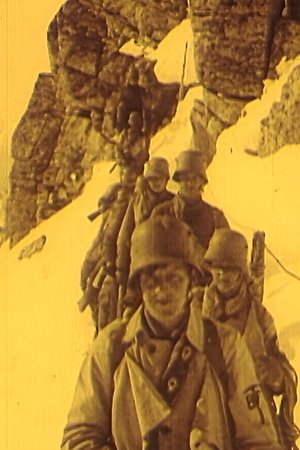
Heroic Struggle in Snow and Ice is a 1917 Austro-Hungarian propaganda newsreel film produced by Sascha-Film for the Imperial and Royal War Press Headquarters. The film is hand-colored and presented in two parts. It depicts the fighting on the Alpine Front between Italy and Austria-Hungary.
Newsreel coverage of the Anschluß in 1938 and it's associated global reaction.
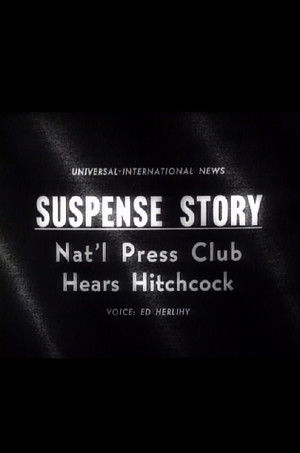
National Press Club hears a speech from Alfred Hitchcock.
Fest organized by Irmandade do Outeiro Nossa Senhora da Glória with the attendance of president Eurico Gaspar Dutra.
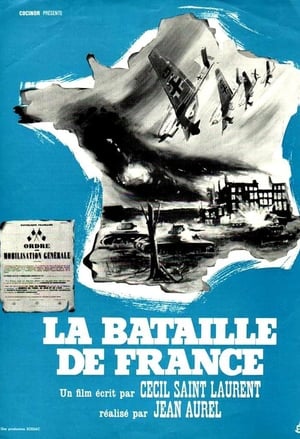
A montage of newscasts tracing the events of the "damned war" and the German invasion of 1940.
A short newsreel capturing active siege conditions, daily frontline trench life, and material destruction in Tobruk, Libya, during World War II. Guided by a firsthand account of the embedded war correspondent Jan H Yindrich, this film highlights the reality of the Allied forces defending the blockaded port city.
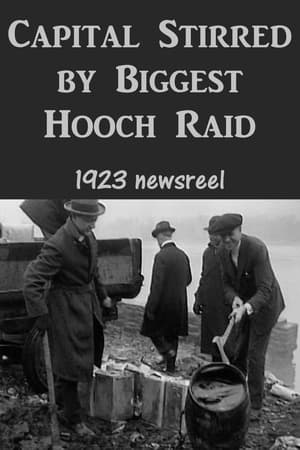
Several prohibition agents display cans and bottles of seized liquor for the camera. They are then shown dumping the goods at a junk yard.
In this experimental collage film, Arthur Lipsett reworks over fifty years of newsreel footage into a surreal audiovisual montage of twentieth-century life. Juxtaposing images of scientific progress, political figures, spectacle, warfare, and everyday leisure, the film becomes a fragmented “time capsule” exploring the rituals and contradictions of modern technological culture.
A newsreel documenting King George VI's inspection of Australian troops stationed in England, alongside scenes of their military training and off-duty recreation.
Bored rich girl hooks up with news photographer, gets caught up in his adventures.
Short newsreel on why personal thrift feeds the Depression.
This newsreel depicts the inner-workings of a bootleggers' facility for making and distributing illegal bootleg liquor..
People give their opinion to the report on the unpopular Dry Law.
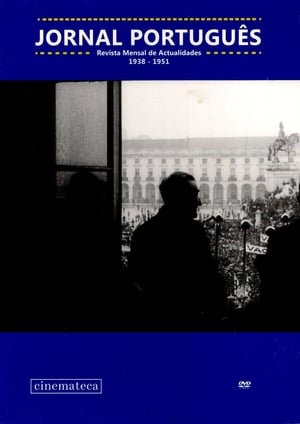
The newsreel series Jornal Português (1938-1951) was produced for the Secretariat of National Propaganda (SPN/SNI) by the "Portuguese Newsreel Society" (SPAC), under the technical supervision of António Lopes Ribeiro. It was conceived and employed as part of the propaganda machinery of Salazar's regime. Screened in cinema theatres prior to the main feature film, each issue of Jornal had approximately ten minutes in length and covered a variety of official government acts, national political news, major sports events and other assorted social and cultural affairs. Jornal Português is not only an indispensable document for the history of Estado Novo's propaganda, but also an unparalleled audiovisual archive of 1940s Portugal.