Scientists discover through DNA that giant flightless birds like Madagascar's Elephant Birds & New Zealand's Moas didn't reach islands via continental drift as thought, but have a surprising evolutionary story of how they got there.
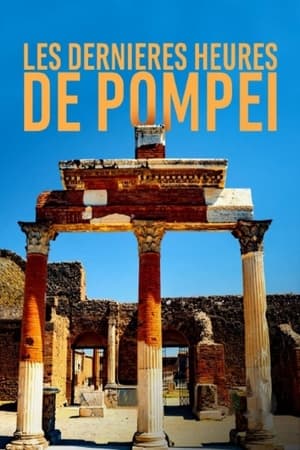
Last Hours of Pompeii
Viking Apocalypse is a examines the Ridgeway Hill Viking burial pit in Weymouth, UK, a site of a suspected mass execution long ago.[1] As they begin digging, archaeologists discover many male Viking skulls and search for clues that may reveal why Weymouth would have been a site for these beheadings.[2]
Documentary that discovers all the secrets of mummification in the Canary Islands thanks to pioneering research. Regis Francisco López approaches the mummification techniques that took place in Tenerife for more than 10 centuries.
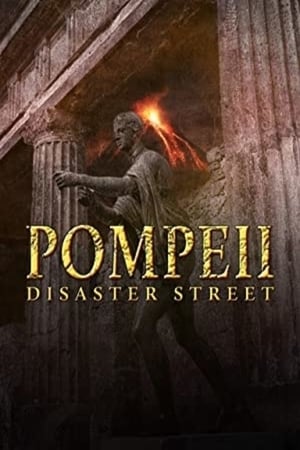
Archaeologists have just uncovered entirely new areas and villas in ancient Pompeii… the first excavation there in 70 years. Get exclusive access to the dig and see how new artifacts and new DNA science are changing history. And through the use of sophisticated Hollywood production techniques and reenactments, discover the real stories of what happened to the unfortunate souls who didn’t escape to the city gates. This is the devastating account of the final hours of that fateful day in October 79AD.
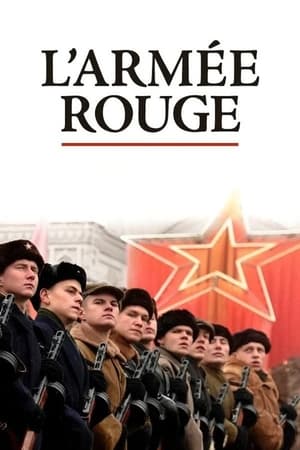
For 70 years, the Red Army was one of the pillars of the USSR, an object of both fear and admiration, a symbol of both liberation and coercion. This documentary explores its history, combining epic storytelling with the deconstruction of myth. While everyone knows that Trotsky's name is attached to his creation, contrary to popular belief, the bulk of his story is made up of defeats and military failures. Thanks to an all-archival montage, this film is a veritable immersion in the heart of...
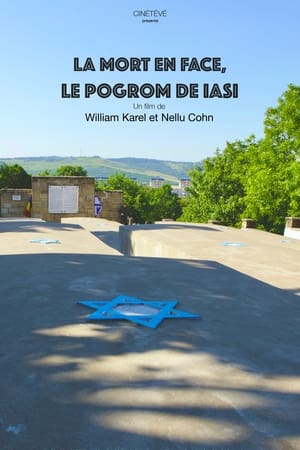
In Iasi, Romania, from June 28 to July 6, 1941, nearly 15 000 Jews were murdered in the course of a horrifying pogrom. At the time, the programmed extermination of European Jews had not yet began. After the war, the successive communist governments did all they could to ensure the Iasi pogrom would be forgotten. It was not until November of 2004 that Romania recognized for the first time its direct responsibility in the pogrom. All that remains of this massacre are about a hundred photographs taken as souvenirs by german and romanian soldiers, and a few remaining survivors.
From empire to ashes-Japan's rise, war, and reckoning. A gripping journey through ambition, conflict, and the cost of a nation's destiny.
Il a besoin
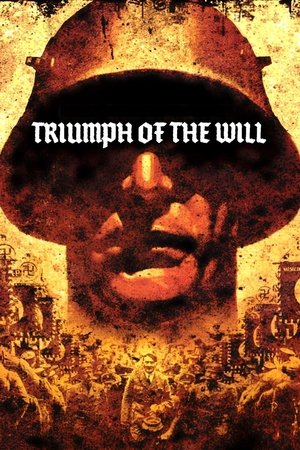
A showcase of German chancellor and Nazi Party leader Adolf Hitler at the 1934 Nuremberg Rally.
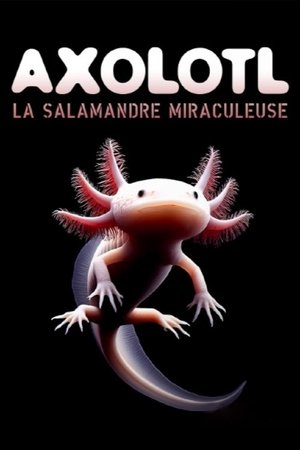
Axolotl, la salamandre miraculeuse
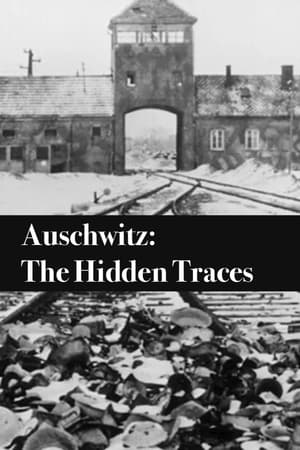
Examines documents and traces of the atrocities that took place at the Auschwitz concentration camp. Years after the end of the war, expert analysis of the remnants of these documents has helped shed light on the stories of prisoners.
Miguel Poveda embarks on an intimate and personal journey following the footsteps of Federico García Lorca. Rather than a standard tribute, the film is a quest to illuminate forgotten places—from Granada and Madrid to Montevideo and Havana—and understand the artist's own connection to the poet's legacy. Through music, memory, and poetry, Enlorquecido explores the bond between two artists united by passion and art as a form of resistance.
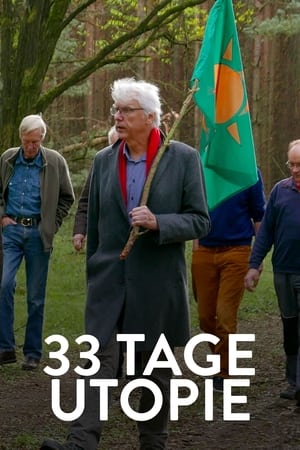
In May 1980, more than 800 people lived for 33 days near Gorleben in the protest camp ‚Free Republic of Wendland‘ and thus prevented for a short time drilling for the planned nuclear waste repository in the nearby salt dome.
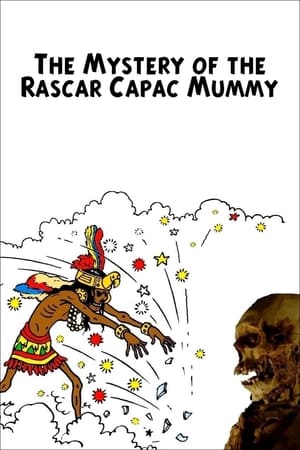
Rascar Capac, the sinister creature featured on Hergé's album The Seven Crystal Balls (1948), has left its mark on many generations of readers. To draw it, the Belgian cartoonist was probably inspired by a mummy exhibited in the first pre-Columbian exhibition organized by the Brussels Cinquantenaire Museum in 1923. Two intrepid archaeologists embark on a fascinating journey to reconstruct the story of the mysterious mummy.
The film delves into the work processes of an archaeological team from the Aranzadi Science Society at the San Adrián Tunnel site. Interspersing this observation with archival materials, the film explores the relationships between archaeology and museography, as well as the different ways in which these two practices produce the displacement of objects.
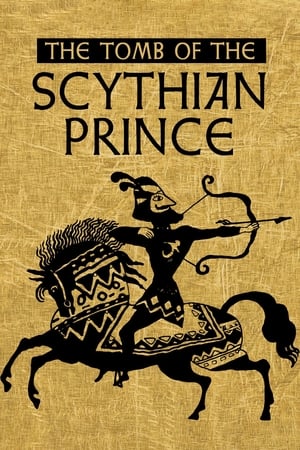
The Scythians, skilled horsemen and nomadic conquerors, built a feared empire in the vast Eurasian steppe between the 9th and 3rd centuries B.C. All that remains are their graves: the Kourganes. In April 1999, a 2400 year-old Scythian tomb was discovered in Kazakhstan. It contained, among other treasures, twelve horses completely harnessed in gold, suggesting high social status.
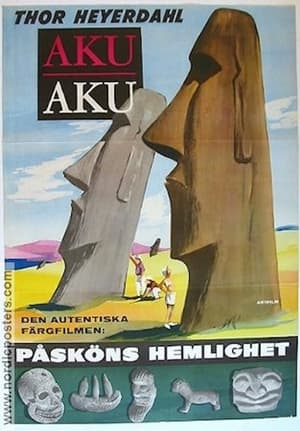
Documentary following the 1955–1956 Norwegian Archaeological Expedition's investigations of Polynesian history and culture at Easter Island.
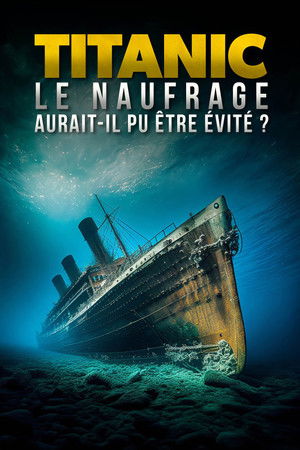
Titanic : Le naufrage aurait-il pu être évité ?
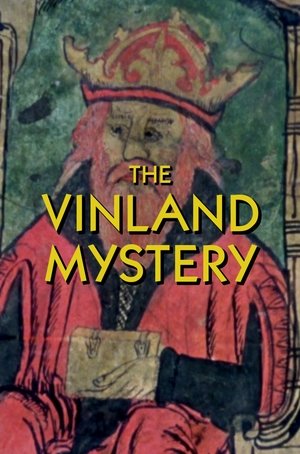
This short documentary depicts the search, discovery and authentication of the only known Norse settlement in North America - Vinland the Good. Mentioned in Icelandic manuscripts and speculated about for over two centuries, Vinland is known as "the place where the wild grapes grow" and was thought to be on the eastern coast between Virginia and Newfoundland. In 1960 a curious group of house mounds was uncovered at l'Anse aux Meadows in northern Newfoundland by Drs. Helge Ingstad and Anne Stine Ingstad of Norway. Added to the United Nations World Heritage List, l'Anse aux Meadows is considered one of the most important archaeological sites in the world.