With more than 300 days a year, the sun dominates this country so much that it’s even shining from their flag. It’s a barren land, sometimes it’s like it’s from another planet but still familiar. It is land of contrasts and colours with wide landscapes and fascinating deserts. Influenced by various cultures during colonization and now reborn from the shadows of Apartheid in 1990, Namibia gives a beautiful collage of culture, language, art, music and food. Everyone who loves an adventure should travel to Namibia, the precious corner of our world full of incredible natural wonders. The experience of endless landscapes and an unparalleled blaze of colour make Namibia unforgettable. NAMIBIA – THE SPIRIT OF WILDERNESS invites you on a trip whose fascination will never let you go: From the Namib Desert over the breath-taking Fish River Canyon to the spectacular Etosha National Park where you will see wild elephants, antelopes, giraffes, zebras and lions.
The Earth Wins explores the delicate balance between man and Mother Earth, our inter-dependence and the impact of man's actions upon the earth and her inhabitants. With music from Coldplay, The Temper Trap, New Order, indigenous musicians, and commissioned choral pieces, The Earth Wins is a visceral experience celebrating the magnificent diversity of the earth's riches and asking the most important questions of all, "How do we save ourselves from causing the planet's destruction?"
William Shatner sits down with scientists, innovators and celebrities to discuss how the optimism of 'Star Trek' influenced multiple generations.
An astonishing journey revealing the awesome power of the natural world. Over the course of one single day, we track the sun from the highest mountains to the remotest islands to exotic jungles.
Za karpatským medvědem
Documentary about chimps in Gombe.
A documentary on Al Gore's campaign to make the issue of global warming a recognized problem worldwide.
Ducks are true originals. There are more than 120 different species of ducks in all, a fantastical group of complex characters. Ducks have a talent for survival, and life stories filled with personality and charm. Each bird is more fun than the last, and will leave you wanting more.
Every year, thousands of Antarctica's emperor penguins make an astonishing journey to breed their young. They walk, marching day and night in single file 70 miles into the darkest, driest and coldest continent on Earth. This amazing, true-life tale is touched with humour and alive with thrills. Breathtaking photography captures the transcendent beauty and staggering drama of devoted parent penguins who, in the fierce polar winter, take turns guarding their egg and trekking to the ocean in search of food. Predators hunt them, storms lash them. But the safety of their adorable chicks makes it all worthwhile. So follow the leader... to adventure!!
The River Danube is home to a fish that grows larger than the Great White Shark. Although it leads a secretive life, the Beluga Sturgeon – the King of the Danube – produces the most prized food in the whole world. For over 200 million years, the 8-metre long fish had no enemies, and yet today it is on the verge of extinction. Evolution did not prepare the fish for pollution, river regulation and overfishing. Beluga caviar is traded for up to 20,000 dollars per kilogramme. Ironically, the high price of this precious product could save the animals from a premature disappearance from planet earth.
Filmed on location in Montana and Washington State, this 1976 biography of poet and teacher Richard Hugo features readings of some of his most famous poems as well as interviews with his family and friends.
Every year, on the steppes of the Serengeti, the most spectacular migration of animals on our planet: Around two million wildebeest, Burchell's zebra and Thomson's gazelles begin their tour of nearly 2,000 miles across the almost treeless savannah. For the first time, a documentary captures stunning footage in the midst of this demanding journey. The documentary starts at the beginning of the year, when more than two million animals gather in the shadow of the volcanoes on the southern edge of the Serengeti in order to birth their offspring. In just two weeks, the animal herd's population has increased by one third, and after only two days, the calves can already run as fast as the adults The young wildebeest in this phase of their life are the most vulnerable to attacks by lions, cheetahs, leopards or hyenas. The film then follows the survivors of these attacks through the next three months on their incredible journey, a trip so long that 200,000 wildebeest will not reach the end.
Africa's giant rats – the size of a cat – can be trained to detect land-mines by smelling them. Giant rats are clever and they learn fast. Their sense of smell is better than a dog's, they have more stamina, and they're a lot cheaper to train. This documentary follows "Miss Marple", who was born in a training lab and who goes through a year's training before being sent on her first mission to Mozambique. A shorter version (43 minutes) screened at festivals in 2009 but was never widely released.
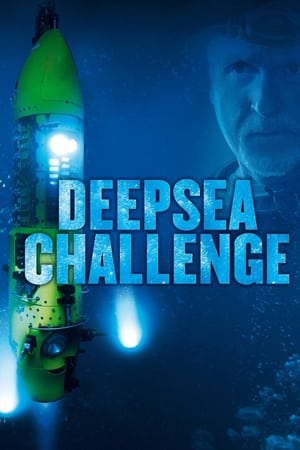
Described as being a film about determination, danger and the ocean’s greatest depths, James Cameron's "Deepsea Challenge 3D" tells the story of Cameron’s journey to fulfill his boyhood dream of becoming an explorer. The movie offers a unique insight into Cameron's world as he makes that dream reality – and makes history – by becoming the first person to travel solo to the deepest point on the planet.
Follows the story of "Grizzly Man" Timothy Treadwell and what the thirteen summers in a National Park in Alaska were like in his attempt to protect the grizzly bears. The film is full of unique images and a look into the spirit of a man who sacrificed himself for nature.
Ewan McGregor narrates a captivating portrait of wild Shetland and traces the course of a breeding season as the animals on these remote islands battle for survival.
This experimental nature documentary by Minna Rainio and Mark Roberts depicts climate change and the wave of extinction from the point of view of our near future. Actually, it depicts the age we live in now, or rather its fateful consequences.
Finland’s first nature documentary. The filmmakers’ expedition leads them all the way to the Åland Islands and the Karelian Isthmus.
Investigation into a global ecological disaster that could endanger the entire human race. Today, a third of our food depends directly on bees, the most important agricultural pollinator* on our planet. Yet, for several years now, millions of bees have been mysteriously disappearing. Why? Will we be able to cope with this predicted catastrophe?
Seul au milieu des ours