in my darkest moment, fetal and weeping, the moon tells me a secret, a confidant As full and bright as I am, this light is not my own and a million light reflections pass over me, the source is bright and endless. She resuscitates the hopeless. Without her, we are lifeless satellites drifting.
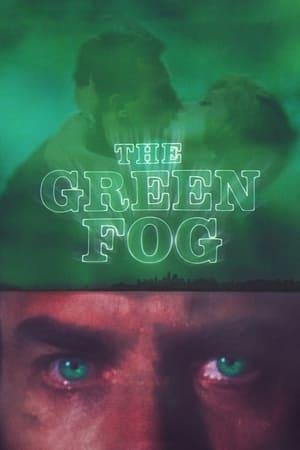
A tribute to a fascinating film shot by Alfred Hitchcock in 1958, starring James Stewart and Kim Novak, and to the city of San Francisco, California, where the magic was created; but also a challenge: how to pay homage to a masterpiece without using its footage; how to do it simply by gathering images from various sources, all of them haunted by the curse of a mysterious green fog that seems to cause irrepressible vertigo…
Obinagụ is not human. They are a spirit who walks among us, taking the form of a worker each day, only to return each evening to the forest they call home, a place where they feel whole and free, where they don’t have to perform or hide.
A bleak, cryptic vision of life in contemporary Iran that eschews overt social commentary in favour of a very personal vision of stifled lives. Directed remotely by Rashidi from Ireland over Skype, the making of this unique film reflects the alienation it so compellingly portrays.
Little is known of Jean Speck (1860-1933) beyond the fact that he opened Zurich’s first cinema. Rouzbeh Rashidi and Jann Clavadetscher consider the flittering black and white ghosts and shadows that he left in his wake in their phantasmagorical experimental feature film. This journey through a cinematic night probes the very essence of the cinematic image.
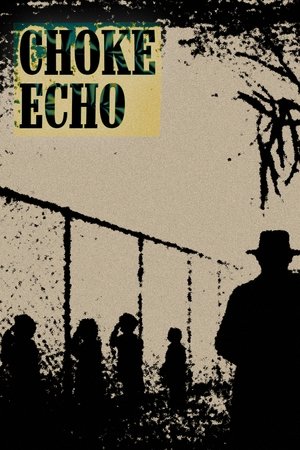
This isn’t a film. It’s a leaked ritual. Somewhere between analog prayer and digital disease, a collection of gestures tried to become human again. They failed. Children orbit the fence like insects around an electric hymn. A figure holds a violin but never plays — his silence is louder than the sound. The man in the branches hasn’t fallen in years. The killer appears, or doesn’t — but you’ll feel him beneath the cuts, mouthing things you’ll wish you didn’t understand. There are bodies, sometimes clothed in flesh, sometimes not. There is scripture, mangled and reversed — not to mock it, but to unlock it. The voice speaks, but only when you stop listening. This is the place where lost footage remembers you. Where noise prays back. CHOKE ECHO was compiled under duress by 0xHamza in 2025 using material never meant to be rearranged. Watch it if you must — but it will keep watching after you close the tab.
An intimate stream of memories reaching out across time and space, taking on a uniquely experimental form that cuts the viewer adrift in a weave of old footage rising to the surface of consciousness like a dream.
Mara—the spirit of the night, the weaver of darkened dreams—pressed upon my chest as sleep held me captive. My memory. In the haze of a dream, I saw those I loved, their faces bathed in an otherworldly glow. The nightmare was not the shadows nor the fear they whispered, but the cruel certainty of waking—of losing them to the morning light
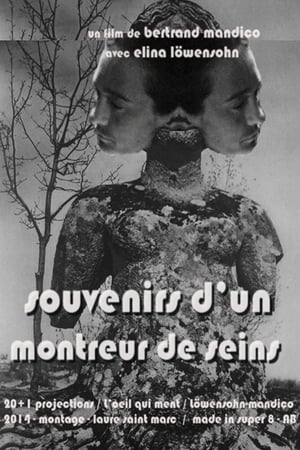
A boobs flasher tells us, a boobs flasher lets us see.
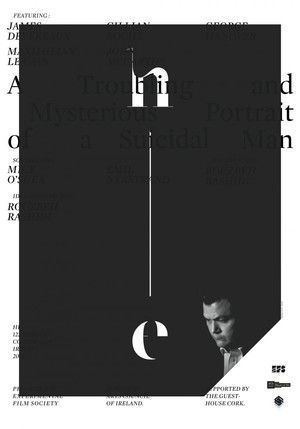
HE, the third work in the ongoing collaboration between Rouzbeh Rashidi and actor James Devereaux, is a troubling and mysterious portrait of a suicidal man. Rashidi juxtaposes the lead character’s apparently revealing monologues with scenes and images that layer the film with ambiguity. Its deliberate, hypnotic pace and boldly experimental structure result in an unusual and challenging view of its unsettling subject.
Persona non grata
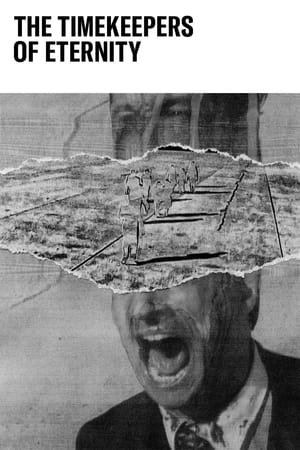
In this mesmerizing experimental film, Stephen King television mini-series The Langoliers is compressed and transformed through hypnotic black and white collage animation that meticulously reconstructs and reshapes its supernatural drama to an eerie and profound effect.
A flickering diary of time, memory, and erosion, «Things Many Eyes Have Seen» unfolds over a month on an island. Hand-processed in salty seawater, its 16mm images dissolve and transform. The landscape flashes by in broken frames of light and shadow, as if the world itself was stuttering between memory and motion. A meditation on seeing and being seen, the film lingers like a fading dream, where observer and landscape blur into one.
An experimental short film, shot during the COVID-19 pandemic, made by one person. Using recorded scenes and archival footage, the short presents an unorthodox narrative to explore the themes of self-identification, identity, gender expression and androgyny.
The „Haelgung“ films are charmingly impressionistic diary entries, crafted as mini homages to my closest friends, captured with a delightful lack of planning or structure and edited in camera.
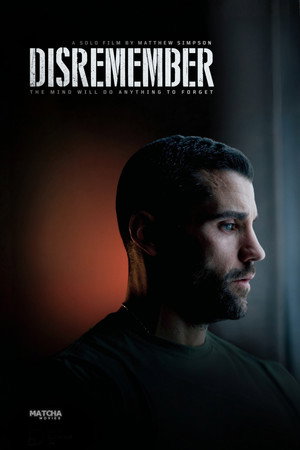
An ex-military alcoholic begins experiencing unexplained blackouts, and the more he tries to stop them, the worse they get, until he realises they are being triggered by a trauma his mind is fighting to forget.
A young woman dreams of a jellyfish in a sea of blue. Far below the surface the jellyfish dreams of her and glimpses a secret she keeps
A man (James Devereaux) sits on a park bench talking to the camera, trying to weave together a thought that won’t cohere while commenting on passers-by, his ‘guests’… Mysterious images intervene, overturning the serenity of the park-bench monologue. Rouzbeh Rashidi’s feature proves as engaging as it is elusive.
"Lysreisen" is an experimental art film, a visual ode to tunnel lights. Its ethereal beauty and abstract visuals create a poetic journey, exploring the transformative dance of light with a captivating and artistic touch.
Proyecciones del Limbo