The documentary “The Leopard Rocks” accompanies Neelam, a female leopard, as she fights for the lives of her offspring, and provides a fascinating insight into the lives and adventures of one of the world's most interesting big cat species in a unique, unusual environment.
It is quickly becoming the most populated country in the world, but India holds a dark secret. Men and women who make their homes in the poor villages throughout the central region of the country are forced to make decisions that no parents should ever have to make. Sell a child into slavery or watch your children starve to death.
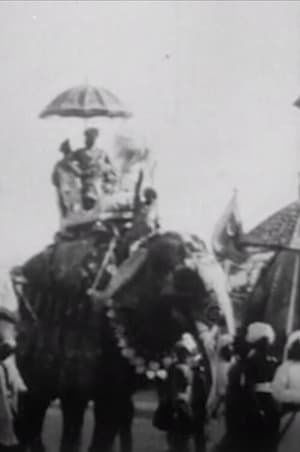
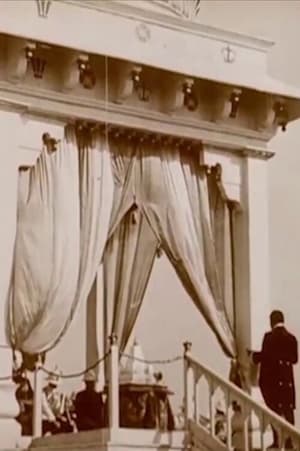
Scenes from a lavish pageant held during the royal visit to India, celebrating King George V’s coronation.
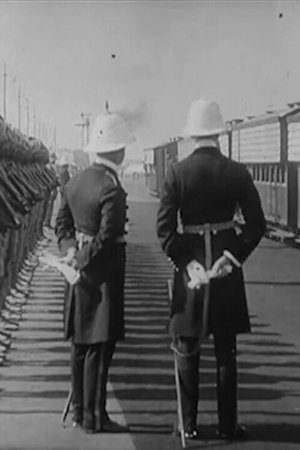
Aristocracy, army, elephants and more mark the start of the 1903 Durbar.
Stately scenes in India, likely filmed during the 1903 Delhi Durbar.
The Duke rides an elephant as he ventures on safari in Bengal.
Armoured elephants, sacred monkeys and a camel carriage from Rajasthan.
In the heyday of the jute industry, millions of people in Bengal made their living doing this laborious work, which has hardly changed since the industrial revolution. The 100-year-old machinery has been endlessly repaired. State aid kept this sustainable alternative to plastic going, but its future looks bleak.
Meru is the electrifying story of three elite American climbers—Conrad Anker, Jimmy Chin, and Renan Ozturk—bent on achieving the impossible.
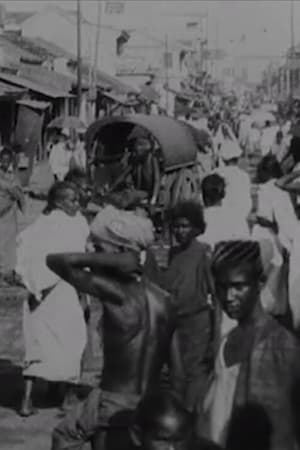
Early film of a crowded street scene in an unidentified Indian city.
Les Pirates du vivant
Damian, grieving his girlfriend's death, travels through Mexico seeking solace. Along the way, he connects with strangers and witnesses their coping rituals, finding a path through his own memories and regrets.
Today India and Pakistan are home to one fifth of the world's population. They are rising powers but hostile neighbours. Their enmity can be traced back to the week of their birth, 70 years ago. On 15 August 1947, Britain would give up the Indian Empire, partitioning it in into two independent countries, India and Pakistan. This film tells the story of the seven days that led up to their independence and the last days of the British Raj.
Hundreds of thousands of Indian men and women – indigenous inhabitants and landless farmers – demand their right to existence by making a 400 kilometre protest march from Gwalior to Delhi. How can one fight for one’s rights without using violence? With such an important contemporary question, the film spreads far beyond the borders of India. It shows the multiple facets of this imposing protest march and focuses as well on the daily realities of these proud people.
February 2013, Allahabad, India. Over the next 55 days, nearly a hundred million people will come here, to the Great Kumbh Mela. This incredible and awe-inspiring celebration of the world's oldest religion happens every 12 years at the place where Hindus believe two sacred rivers meet. For many Hindus this is their most important pilgrimage, and it happens at one of the most holy sites in India. Hindus come to cleanse themselves in the sacred waters of the river Ganges, to pray and emerge purified and renewed. This follows British pilgrims as they embark on a once-in-a-lifetime spiritual journey. A journey that will take them into the heart of Hinduism - its philosophy, its beliefs and its traditions. A journey that will culminate in the largest ever gathering of humans in one place.
Welcome to the largest human gathering ever in this one-hour special, World’s Biggest Festival: Kumbh Mela. Imagine a crowd so massive, it is visible from space. A crowd, likely 100 million strong, intent on just one thing: bathing in a sacred river to wash away sins and gain a chance at a new beginning. In the World’s Biggest Festival: Kumbh Mela, experience the dazzling spectacle of spiritual fervour and collective diversity as Hindus from across the globe converge on the Maha Kumbh Mela. Not only is it the world’s largest religious festival, but it is also believed to be the largest gathering of humans in one place, at one time on Earth.
Amateur shots of pilgrims and temples at Haridwar, followed by rural scenes and the Gorrie family at home.
A demonstration of sport and fitness by members of the Indian Army.
Tigers in the Himalayan foothills, filmed by famous hunter and conservationist Jim Corbett.
Made by an English family living in north India during the heyday of the Raj, this amateur film reveals the grandeur in which middle-class English colonials lived.