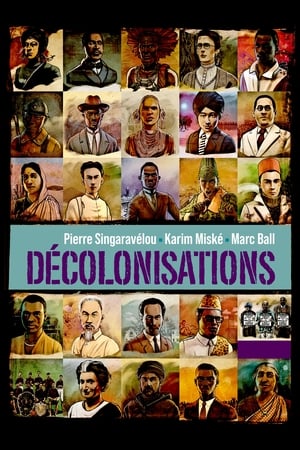
The history of decolonization from the point of view of colonized peoples, an epic story that still resonates and reverberates to this day.
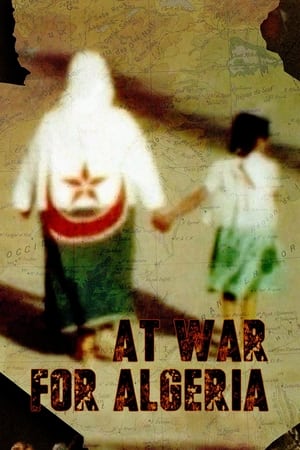
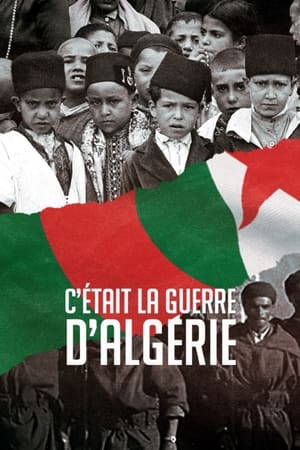
North Africa, 1954. The Algerian war of independence begins, a traumatic and extremely violent catastrophe that for eight long years will shake and finally overthrow the foundations of the colonial regime established by France in 1830.
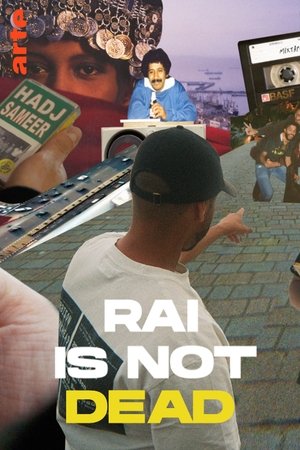
What musical genre can claim to have gone, in the space of fifty years, from a hidden cabaret in Oran to Super Bowl halftime? Born in Algeria at the end of the Second World War, the raï wave spread from the cabarets of western Algeria to the cassette shops of Barbès in Paris, before sweeping the world at the end of the 1980s. its hybridization, the intoxicating music traveled from Algerian and French weddings to the biggest international stages, before suddenly disappearing from the radar at the dawn of the new millennium. Icons that have disappeared, including Cheikha Remitti and Prince Hasni, to young heirs, passing by the star Khaled, the collector Hadj Sameer trace the tumultuous course of this musical genre, between clandestinity, planetary glory and resistance.
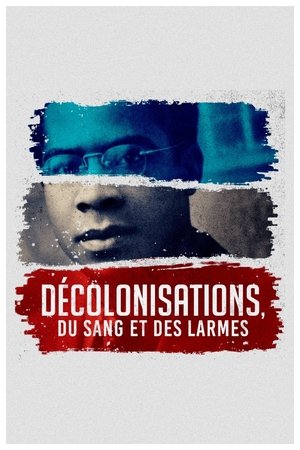
After World War II, the French colonial empire, which dominated the lives of over 110 million people on five continents, collapsed in just under a quarter century of blood and tears.
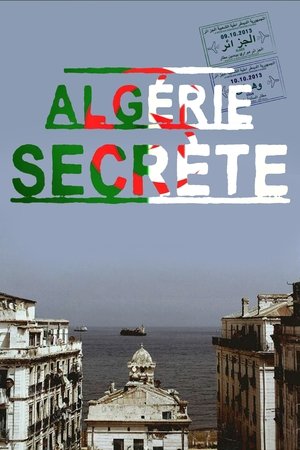
Algérie secrète
In 1939 in eastern Algeria, Omar, a young boy of ten, lives with his family in a room in Dar Sbitar, a house shared by several families who overcome the trials they go through every day to ensure their subsistence. Her deceased father is Aïni, the mother, who bleeds herself from all four veins to keep her children and their grandmother alive. The families of Dar Sbitar share their intimacy and their daily life, this life animates the big house, which itself becomes a character in its own right. "El Harik" (The Fire), is an Algerian drama series in 10 episodes adapted from Mohamed Dib's trilogy "The Big House", "The Fire" and "The Loom".
Toussaint opposes the Spanish army and joins the French troops. On Saint-Domingue he succeeds to push the English back. He proclames himself as the gouvernor of Saint-Domingue. To restore the economy he takes a bold descision. He calls for the workers to return to the plantages...
Through the fictionalized lives of two young Saint-Simonians, this television film presents the history of French colonization in Algeria from 1837 to the end of the Second Empire.
Rouge Brésil
The Natural World--Komodo: The Deadly Bite
Is school succeeding in making a difference? This is the question Sarah Sylbing and Ester Gould, creators of the award-winning series Schuldig, asked themselves for their new documentary series Klassen. Once again, they settle in Amsterdam-North; this time, they focus their attention on the children of Group 8. They are eleven years old when the final recommendation for secondary school is given that will influence the rest of their lives. Not all children can rely on support from their parents; some are on their own completely. Fortunately, there are still teachers who care about them. But is that enough?
Exactly 75 years after the end of the Second World War and the liberation of the concentration camps, twelve witnesses tell about the suffering caused to themselves and their families during the Holocaust and about the impact of the persecution of the Jews during the Second World War on the rest of their lives.
Ross Kemp follows frontline medical staff at they prepare for and face the coronavirus pandemic.
Berg flyttar in
Callejeros viajeros
Fraga Olle Dokumentaren
Hemliga Svenska Rum
David Icke - Conspiracies Unvealed
Desafío extremo
The author's cycle of documentary programs of the NTV channel about the most high-profile crimes committed in the USSR. The story is accompanied by stories about the daily life of the inhabitants of the USSR. Presenter - Leonid Kanevskiy. Documentary television films are devoted to criminal cases from 1917 to 1991.